Vietnam lawmakers urge investment reforms and results-based assessments for 2027
National Assembly President Tran Thanh Man called for funding to be tied to outputs and officials to be assessed using key performance indicators.
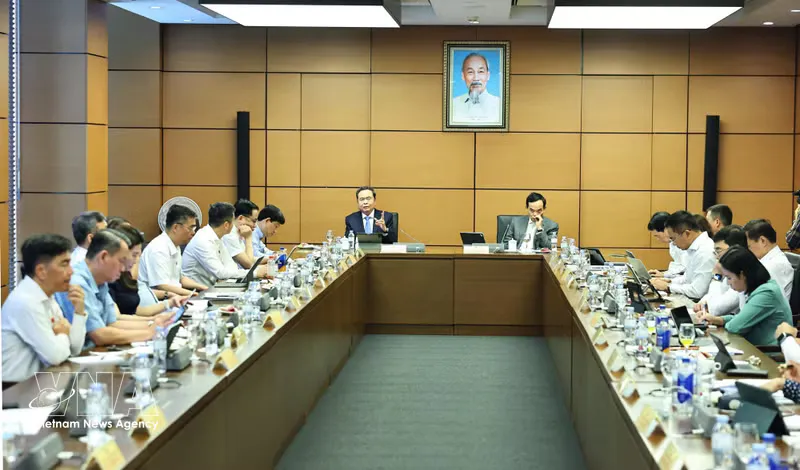
Vietnam’s National Assembly President Tran Thanh Man urged changes to public investment management and results-based assessments of officials as lawmakers reviewed development plans on October 18. The group discussions covered implementation of the 2026 plan and proposals for 2027.
Man cited GDP growth of 9.01% over the first nine months of 2026, describing it as a 15-year high. He called for a frank review of remaining problems and practical measures to meet the year’s targets, while stressing that growth depended on macroeconomic stability.
For 2027, he proposed tying public investment funding to outputs and allowing flexible capital reallocation, with priority for agencies and localities that have demonstrated strong implementation. He also said officials’ performance should be judged through key performance indicators from 2027.
His other priorities included strategic infrastructure, energy security, science and technology, innovation and digital transformation. He urged action on land-related obstacles and administrative procedures, alongside efforts to make both campuses of the Vietnam International Financial Centre, in Ho Chi Minh City and Da Nang, fully operational.
Hai Phong deputy Nguyen Ngoc Son sought explanations for uneven public investment disbursement across ministries, central agencies and localities. He said assessments should reflect completed work and called for tighter construction-quality controls, especially as spending accelerates near year-end.
Another Hai Phong deputy, Nguyen Thi Mai Thoa, called for stricter data-system requirements at the design stage to ensure consistency and interoperability. She said existing weaknesses needed prompt attention to improve oversight and reduce demands on personnel, time and costs.