Indonesia promotes ASEAN tariff benefits to help exporters reach new markets
A Trade Ministry official identified pharmaceuticals, seafood and processed food as products with export opportunities across Asia and the Pacific.
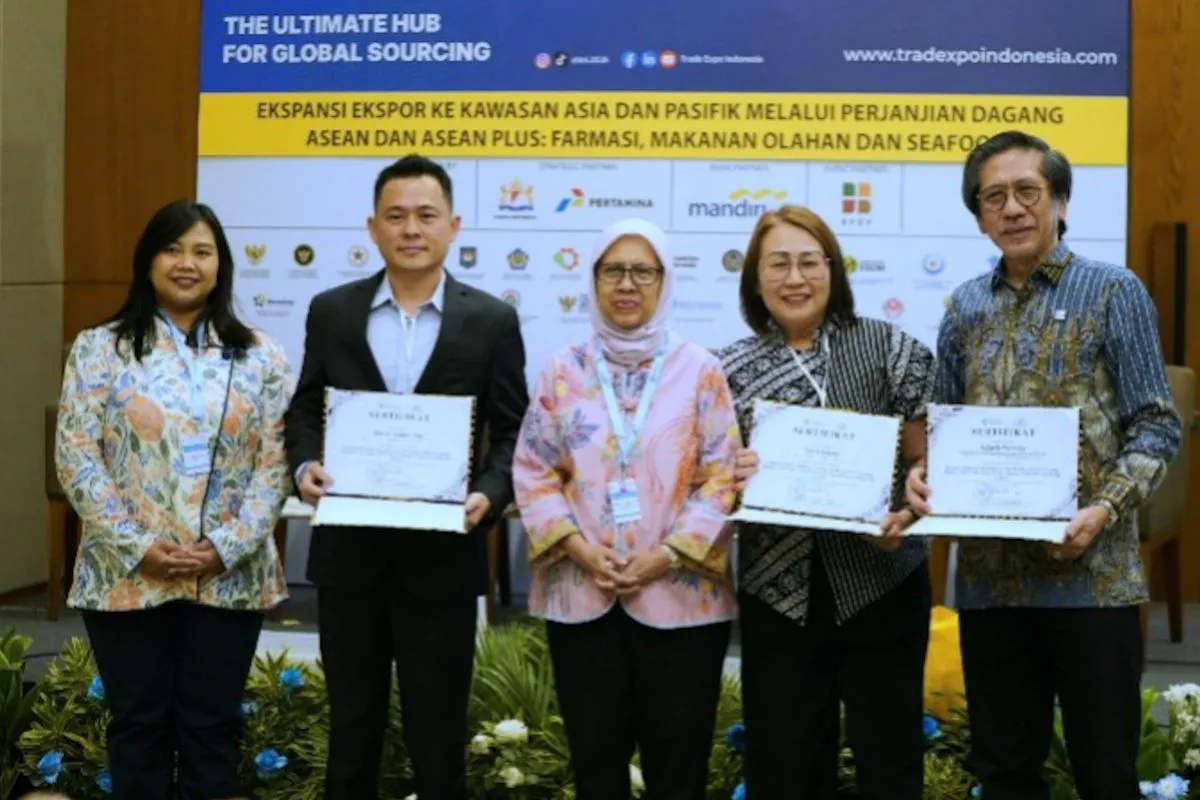
Indonesian exporters should make more use of preferential tariffs available through ASEAN trade pacts to improve competitiveness and expand their overseas reach, the country’s Trade Ministry said. It said smaller businesses could also benefit from the agreements.
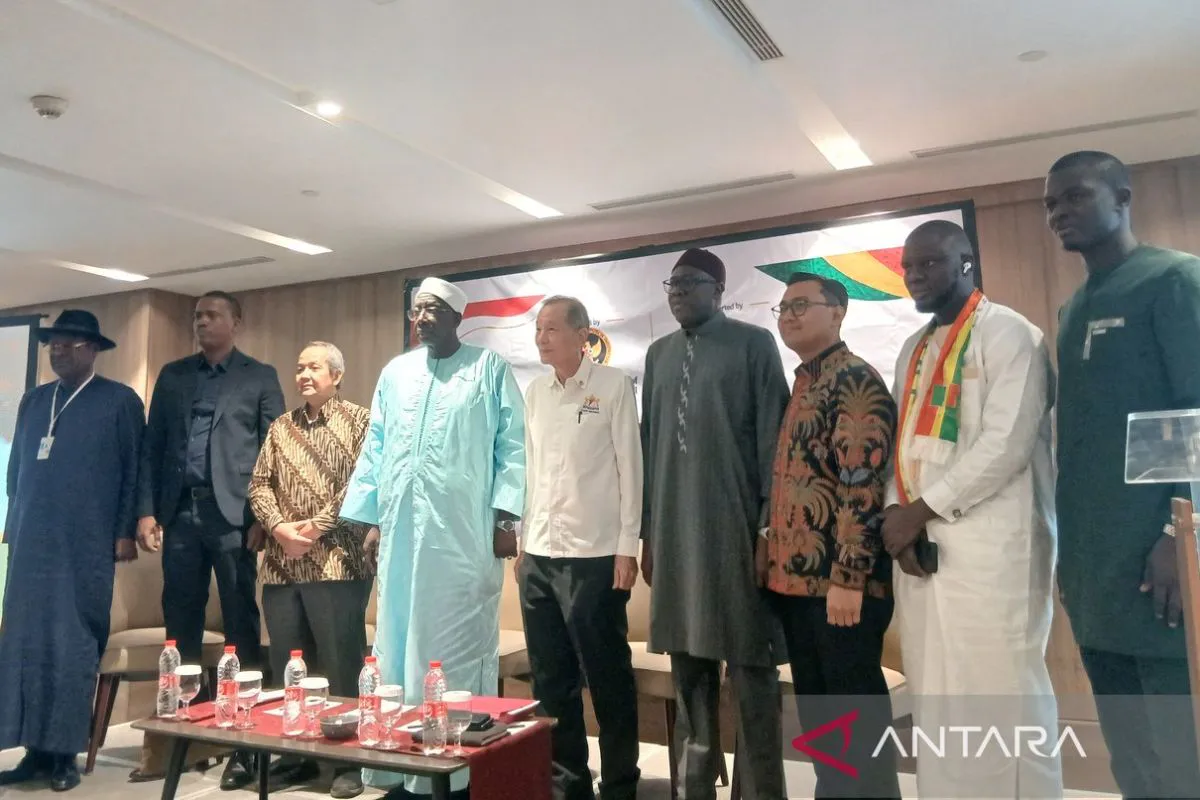
The ministry’s director for ASEAN negotiations, Nugraheni Prasetya Hastuti, pointed to demand for pharmaceuticals, seafood and processed food in partner economies. She addressed an export seminar in Tangerang, Banten Province, during the 41st Trade Expo Indonesia at Indonesia Convention Exhibition (ICE) BSD City.
Hastuti said eight ASEAN trade schemes were operating. They included an agreement linking the bloc’s 10 members, six pacts with dialogue partners such as Japan, China and South Korea, and the Regional Comprehensive Economic Partnership (RCEP).
Among the partner markets she discussed, South Korea’s worldwide imports of the three product groups amounted to US$36.7 billion. Australia imported US$29.48 billion and New Zealand US$2.39 billion. Hastuti also pointed to opportunities in Thailand and the Philippines.
Jahja B. Soenarjo, deputy chair for trade at the Indonesian Employers Association (Apindo), said exporters needed regulations and policies that eased access to international markets.
His proposals included assistance with certification and product standards, structured export training for micro, small and medium enterprises (MSMEs), and wider use of trade exhibitions at home and abroad.
Soenarjo said improved access to international market data could support export expansion. He also advocated a greater contribution from business associations, Indonesia’s diplomatic missions and diaspora networks overseas.