Thailand backs tighter data centre rules in principle
Electricity requests exceed 30,000 MW, while authorities estimate that only about a quarter of applicants or fewer have concrete investment plans.
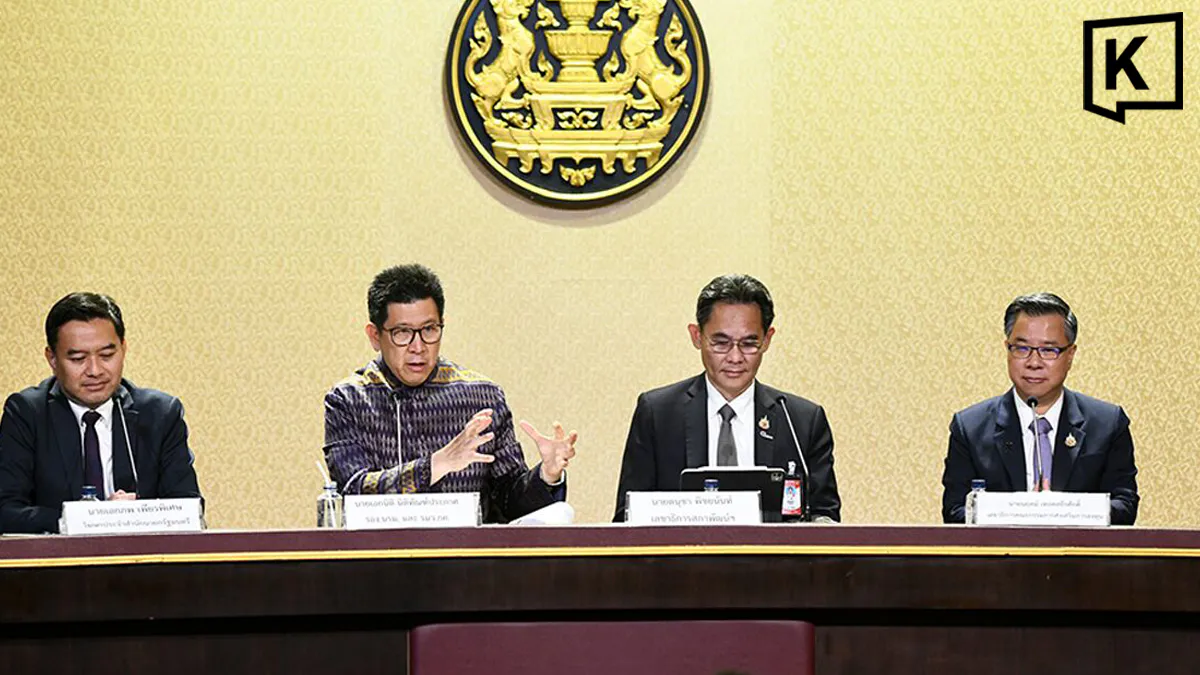
Thailand’s Cabinet gave in-principle approval on 10 November 2026 to a framework governing data centre investment, following requests from more than 110 applicants for electricity exceeding 30,000 MW. Authorities estimate that concrete investment plans exist for only about a quarter of applicants, or fewer.
Deputy Prime Minister and Finance Minister Ekniti Nitithanprapas said multiple contractors can reserve power and water separately for the same development, inflating demand. Planned safeguards include financial guarantees and a committee to screen applications, aimed at discouraging speculative reservations and the resale of utility allocations.
A One Stop Service system, to be established by the Ministry of Digital Economy and Society, will centralise project information and coordinate agencies’ approvals. Proposals will be judged on employment, workforce training, technology opportunities and Thai companies’ supply-chain participation, as well as investment value.
National Economic and Social Development Council Secretary-General Danucha Pichayanan said seven categories would distinguish facilities by electricity load. Regulation will apply from 0.5 MW upwards, with requirements increasing by size. Commercial zones may accommodate centres using less than 20 MW; facilities using at least 20 MW must be in industrial areas or estates.
Ekniti said formal environmental impact assessments would not be compulsory for every facility. Applicable standards will address backup-generator noise, temperatures at property boundaries, efficient water and electricity use, and cooling-system wastewater. Additional environmental Codes of Practice will apply outside industrial estates. Technical details will be finalised after further public consultation.
Developments with construction permits or Board of Investment promotion approval granted before 14 August 2026 can enter the One Stop Service review process. They must possess all necessary permits and will have one year to meet the environmental Code of Practice. New proposals and construction-permit applications made after that date will receive closer scrutiny of feasibility, resource needs and economic benefits.