Indonesia outlines eligibility for special export proceeds rules
Qualifying mining exporters can retain a minimum of 30 per cent of proceeds for at least three months and use designated non-state banks.
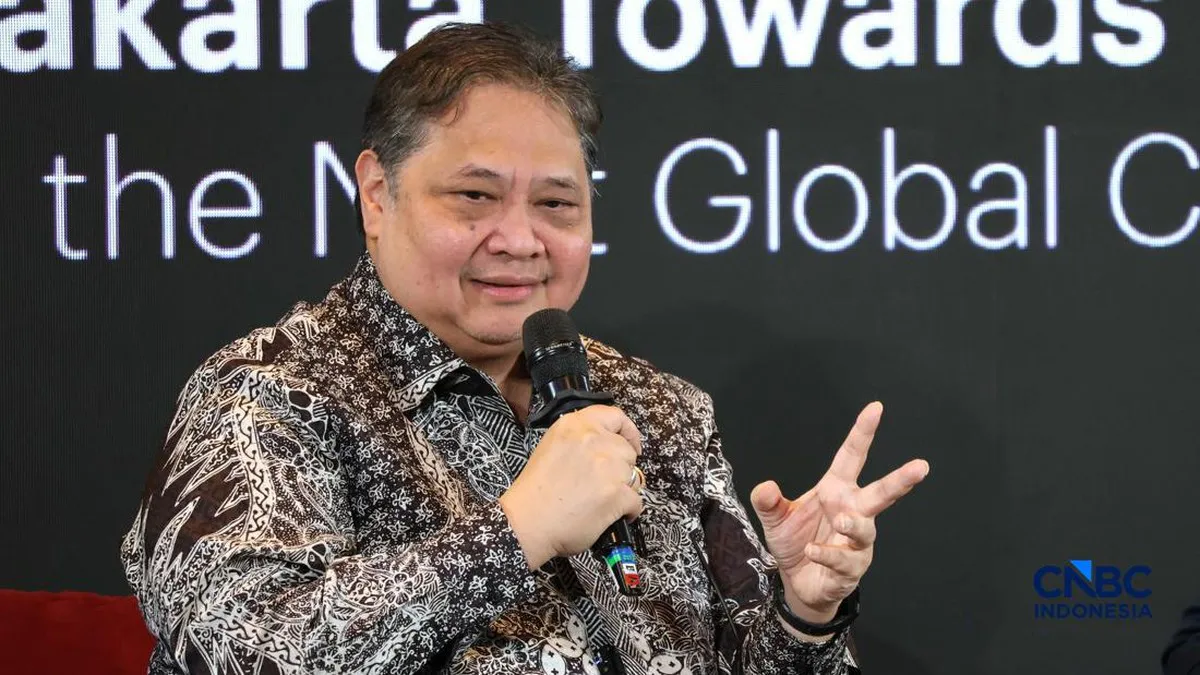
Indonesia’s special rules for natural-resource export proceeds apply to companies with qualifying foreign ownership of at least 10 per cent, Coordinating Minister for Economic Affairs Airlangga Hartarto said in Jakarta on 10 November 2026. Eligibility depends on investors coming from jurisdictions with bilateral cooperation or multilateral agreements with Indonesia.
Airlangga identified the qualifying jurisdictions as the United States, Canada, China including Hong Kong, Australia, South Korea, Japan and the European Union. An Indonesian-incorporated company can qualify if an investor from one of those jurisdictions holds at least 10 per cent of its shares, he said.
Under the special framework in Government Regulation No. 21 of 2026, exporters must still bring 100 per cent of their natural-resource export proceeds into Indonesia’s financial system through special accounts. However, oil and gas and non-oil and gas mining exporters need to retain only a minimum of 30 per cent for at least three months. They can place the funds and exchange them into rupiah through five state-owned banks or 11 designated non-state banks.
The general framework under Government Regulation No. 2 of 2026 covers mining, plantation, forestry and fisheries exporters. Non-oil and gas proceeds must be retained in full for at least 12 months, while oil and gas exporters must retain at least 30 per cent for three months or longer. Placement and rupiah conversion are handled by state-owned banks.
The government is reviewing changes to eligibility, Airlangga said. These include requiring foreign-investor-established companies to disclose their ultimate beneficial owners to the Ministry of Law and extending coverage to exporters operating as permanent establishments.