Indonesia plans regulatory overhaul in push for OECD membership by 2028
Technical reviews have begun in 24 of 25 accession areas, with changes planned across governance, investment, competition and anti-corruption policy.
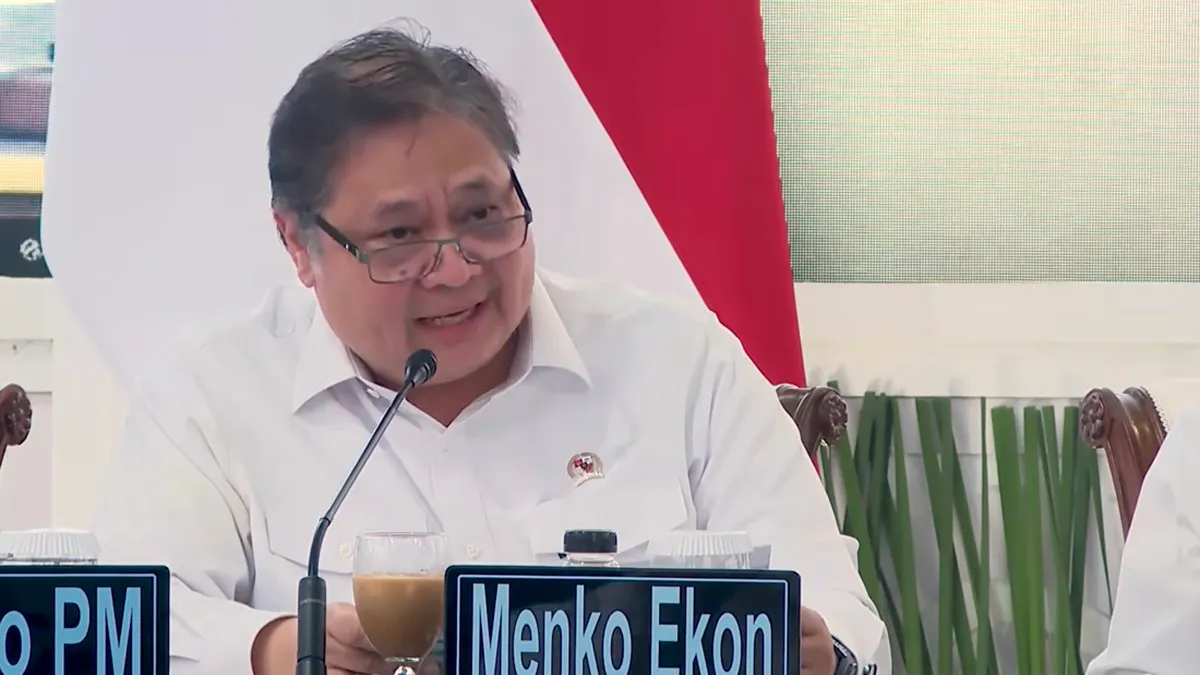
Indonesia is preparing changes to national regulations and governance to meet OECD membership requirements, with the government aiming to complete accession in 2028, Coordinating Minister for Economic Affairs Airlangga Hartarto said.
Speaking at a national accession coordination meeting on 9 November 2026, Airlangga said technical reviews were under way in 24 of the 25 accession areas. The meeting was held to prepare for a visit by the OECD secretary-general.
The planned reforms cover regulatory, public and corporate governance, as well as investment, statistics, business competition and anti-corruption measures. Airlangga said Indonesia needed to improve both its rules and their implementation to align with OECD legal instruments.
The review involves questionnaires, fact-finding meetings and technical discussions with OECD committees. Findings on Indonesian policies will be recorded in a Chair's Letter. Regulatory and governance changes are to continue while the reviews proceed.
Indonesia formally became an accession country following the adoption of its OECD accession roadmap in March 2024. The secretary-general formally handed over the roadmap in June 2024, and technical reviews began in September 2025.
The government also hopes the reforms will support its economic growth target of up to 8 per cent. Airlangga said alignment with international standards was expected to improve transparency, policy effectiveness and the use of evidence in policymaking.
He stressed that accession would depend on implementation and participation, not just the completion of technical discussions. The government is seeking involvement from ministries, businesses, academics, civil society and parliament in aligning policies with OECD recommendations.