Singapore wage council proposes 6% to 8% rise for lower-wage workers
The Government has accepted the non-binding recommendations, proposed for 1 December 2026 to 30 November 2027.
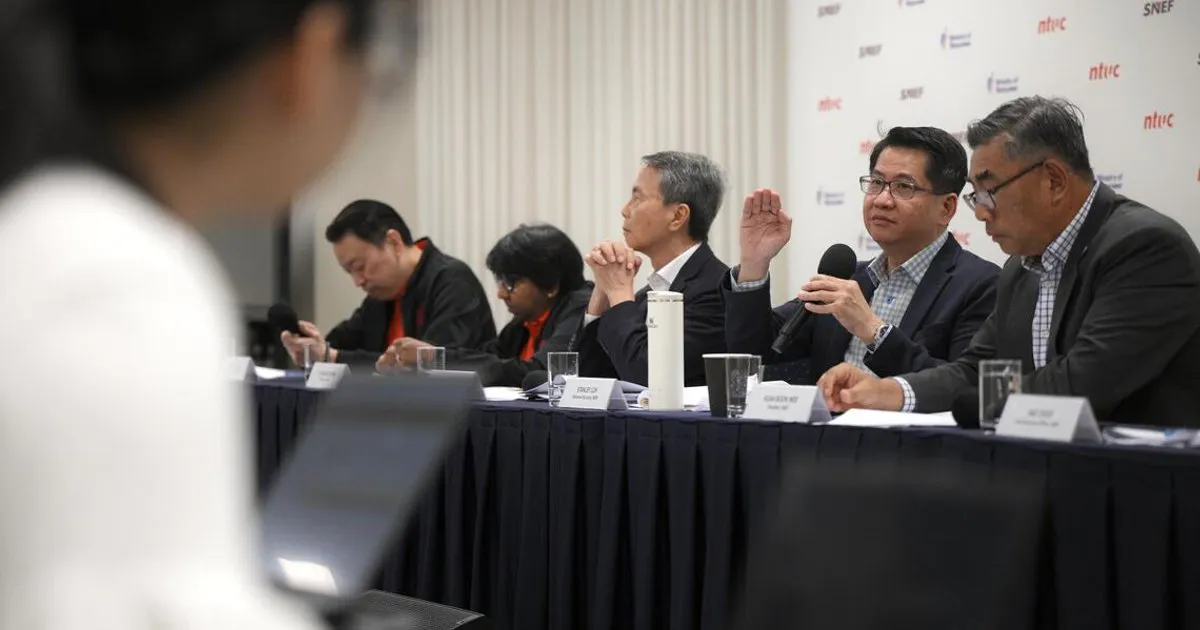
Singapore’s National Wages Council (NWC) has recommended pay increases of 6 per cent to 8 per cent, or at least S$120, for workers earning no more than S$2,800 monthly. The council announced its annual wage and employment guidelines on 19 October.
For employers with strong business performance, the council recommended increases of at least S$135 to S$170. A new category covering businesses that have performed poorly and are unprofitable calls for a minimum S$120 increase, recognising the economic difficulties employers face.
Employers should reassess wages and consider additional increases for lower-paid staff when their business prospects improve, the council said. Its guidelines cover employees across the public and private sectors, although compliance is voluntary.
Ministry of Manpower permanent secretary Stanley Loh said roughly a quarter of employers followed the previous year’s recommendations, which sought increases of 5.5 per cent to 7.5 per cent for lower-wage workers. About 60 per cent raised wages without reaching the recommended levels.
Singapore National Employers Federation president Kuah Boon Wee said many companies had struggled to deliver those increases. He said about 20 per cent of the resident workforce earned S$2,800 or less monthly.
The council also urged employers to adopt both annual and monthly variable wage components. It said this would give businesses flexibility to reduce costs rather than jobs during difficult conditions.
Alongside its wage proposals, the NWC called for investment in AI capabilities, job redesign and employee training. Ministry survey data showed that 64 per cent of employers offered structured training in 2025, compared with 66.4 per cent in 2024. The share of employees receiving such training fell to 48.1 per cent from 52.6 per cent.