Peace and integration to gauge Singapore’s 2027 ASEAN chairmanship
Foreign Minister Vivian Balakrishnan said trade barriers and agreements on a shared power grid remain challenges to closer economic integration.
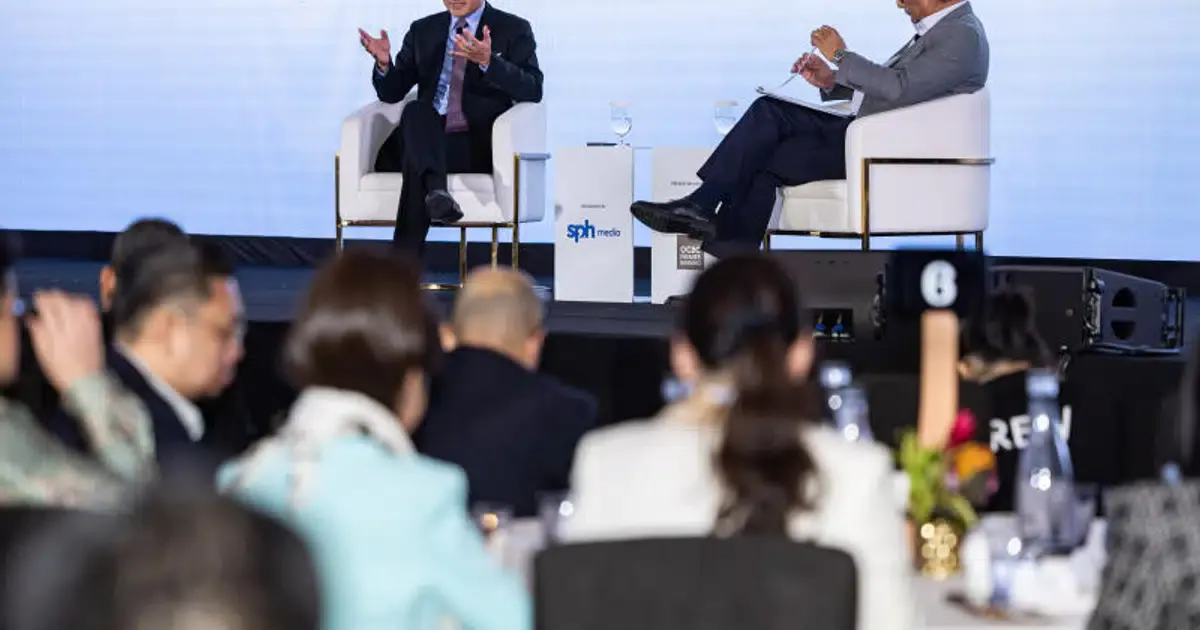
Preserving peace among ASEAN’s 11 members and advancing economic integration will be measures of success when Singapore chairs the bloc in 2027, Foreign Minister Vivian Balakrishnan said. Singapore is due to succeed the Philippines in the annually rotating role.
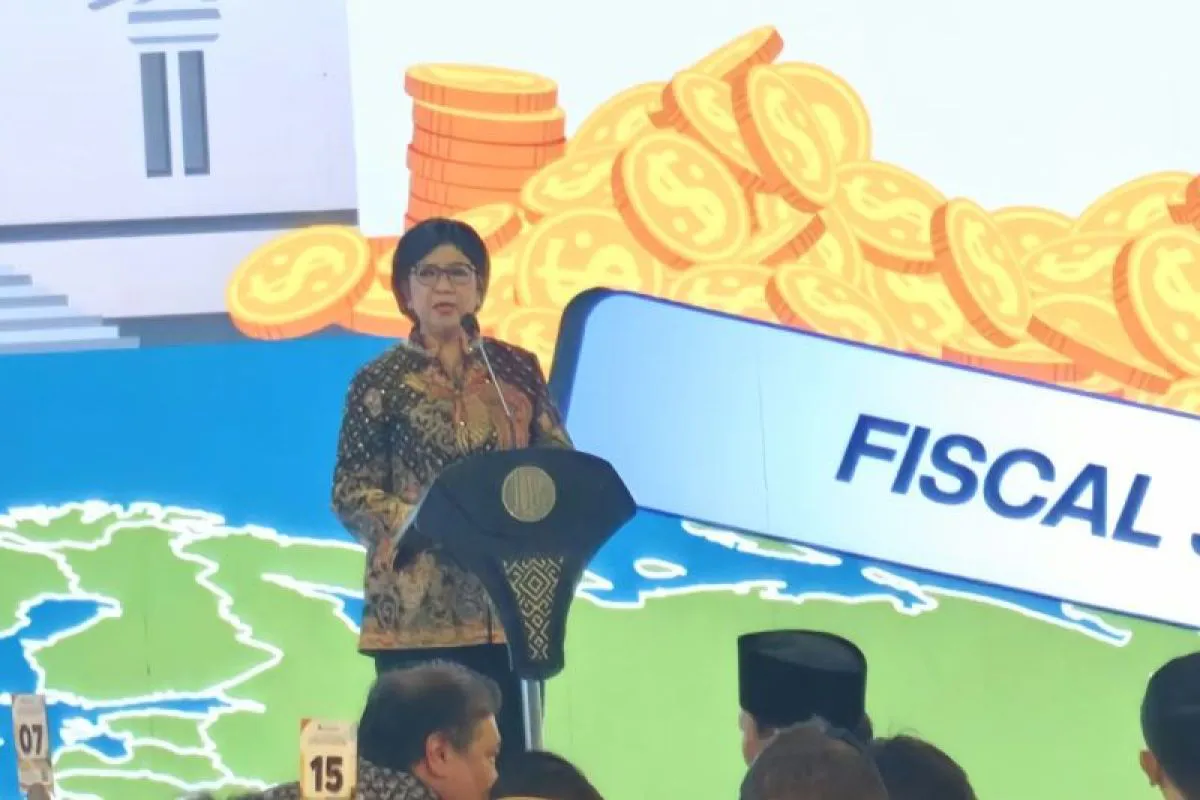
Speaking at SPH Media’s Asia Future Summit on Nov 27, Balakrishnan said ASEAN remained short of its ambition to function as one market and investment zone. Reaching agreements to reduce trade barriers and commit to a shared electricity grid would be difficult but necessary, he said.
Singapore wants the region to remain open to engagement with all powers without becoming a venue for proxy conflicts, he said. He also stressed ASEAN centrality, under which the grouping serves as the main platform for shaping South-east Asian politics, despite disagreements among its members.
On the proposed South China Sea Code of Conduct between ASEAN and China, Balakrishnan said obstacles included disagreement about its geographical coverage and whether it would have binding legal force. Negotiations are meant to finish by the end of 2026. Philippine Foreign Secretary Maria Theresa Lazaro said at the November ASEAN summit in Manila that provisional agreement covered about 80 per cent of the code.
Balakrishnan said Singapore would try to advance those discussions, with peace and uninterrupted trade as the main considerations. Addressing US-China rivalry, he said Singapore needed honest relationships with both powers and should reassure each that it would not become an instrument against the other.