Bank Indonesia outlines policy priorities for resource processing
The central bank wants domestic supply chains strengthened and smaller businesses included as Indonesia expands its downstream industries.
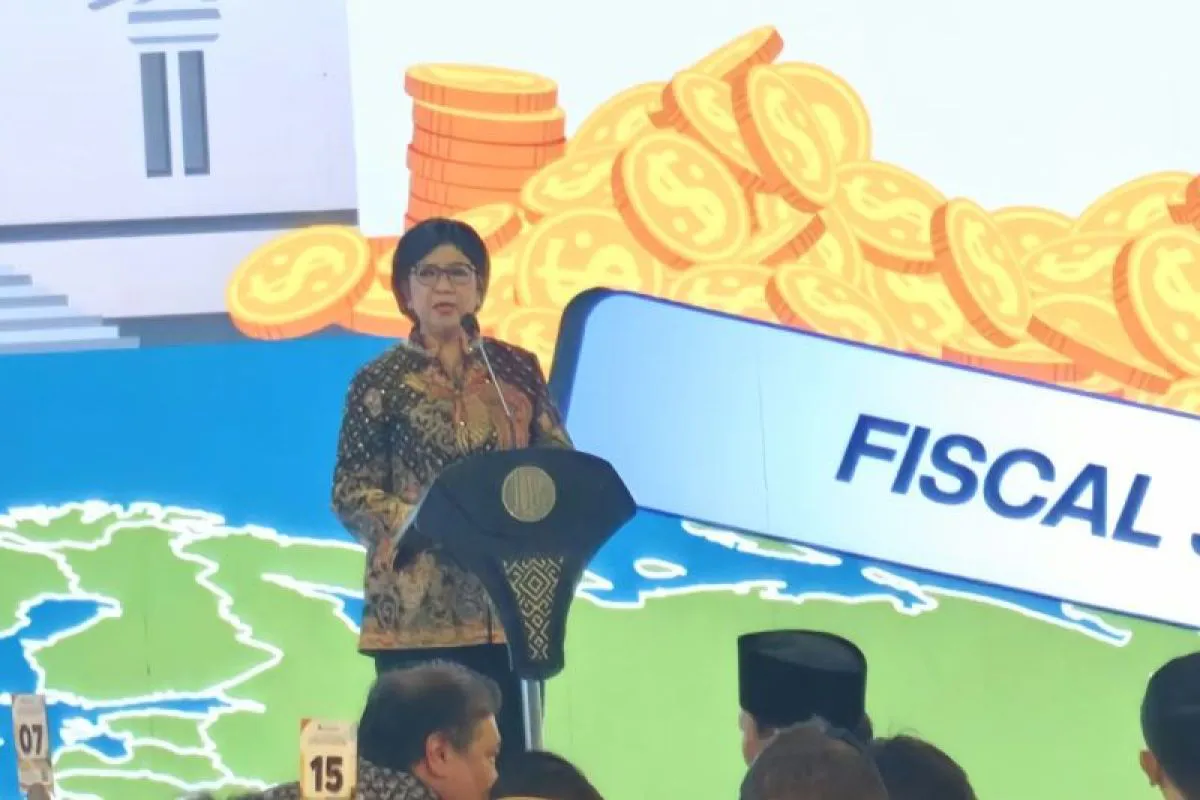
Indonesia’s central bank has proposed five areas of policy focus to help resource-processing industries generate more value and jobs. Governor Destry Damayanti outlined the priorities at the 2026 Bank Indonesia Annual Meeting, held in Jakarta on November 27: regulation and policy, incentives for businesses, human resources, technology, and financing.
Destry placed sustainable downstream development among the strategic priorities of Bank Indonesia’s economic outlook for 2027. The bank’s presentation described an approach covering raw materials, production inputs and processing, as well as connections with buyers.
She called for domestic supply chains that connect industries requiring substantial capital with those employing large workforces. Regional sectors should be developed according to local strengths, she said, with micro, small and medium enterprises taking productive roles within national industry rather than remaining supporting participants.
Separately, figures from the Ministry of Investment and Downstreaming/Investment Coordinating Board (BKPM) showed Rp480 trillion in realised downstream investment during January–September 2026. That was 11.3 per cent higher year on year and represented 31.2 per cent of overall national investment.
Minerals led the sector breakdown with Rp335.1 trillion. Plantations and forestry received Rp83.6 trillion, while oil and natural gas drew Rp54 trillion. Fisheries and marine affairs accounted for Rp7.3 trillion.
Downstream investment in the third quarter of 2026 amounted to Rp179.9 trillion, rising 19.4 per cent from the equivalent quarter in 2025, according to the ministry’s figures.