Bank Indonesia to strengthen monetary policy stance in 2027
The central bank plans stronger currency interventions, broader hedging incentives and greater use of local currencies to support the rupiah.

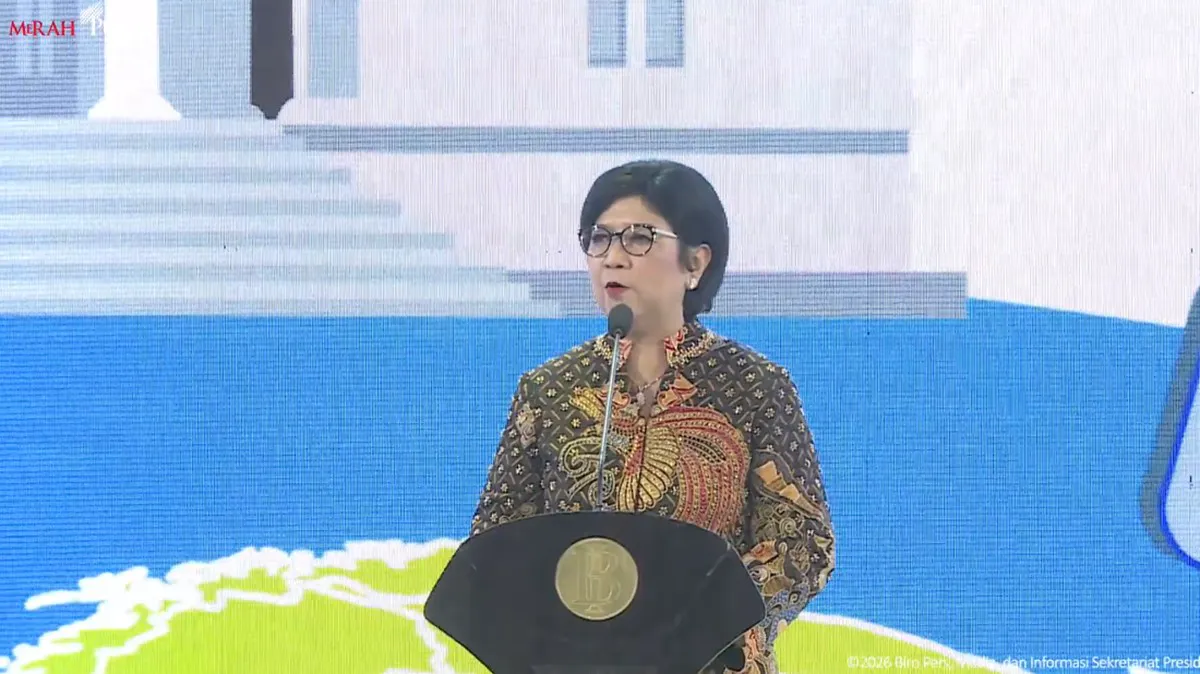
Bank Indonesia will strengthen its monetary policy stance in 2027 to keep the rupiah stable and inflation under control, Governor Destry Damayanti said at the central bank’s annual meeting in Jakarta on November 27.
Destry said the approach would centre on an interest rate framework focused on stability, improvements to monetary operations and more effective instruments for stabilising the rupiah. She said global uncertainty was expected to remain high.
The bank plans to step up intervention in foreign exchange markets, widen hedging incentives and encourage transactions in local currencies. Destry said adequate foreign exchange reserves would be maintained to support the currency.
Bank Indonesia’s presentation materials said changes to monetary operations would also seek to deepen the money market, make monetary policy transmission more effective and ensure sufficient liquidity in the economy.
Figures presented at the meeting put October 2026 consumer price inflation at 3.23 per cent year-on-year, within the bank’s target of 2.5 per cent, plus or minus 1 per cent. The benchmark BI-Rate rose by a cumulative 125 basis points during 2026, including November’s 25 basis point increase to 6 per cent.
Foreign exchange reserves stood at US$146.8 billion at the end of October 2026, sufficient for 5.3 months of imports. Destry said the bank would continue coordinating its policy mix with the government, the Financial System Stability Committee and other key regulators.