Malaysia’s economy expected to stay resilient in second half of 2026
The World Bank Group called for fiscal and structural reforms while urging financing better suited to smaller firms’ technology and expansion needs.
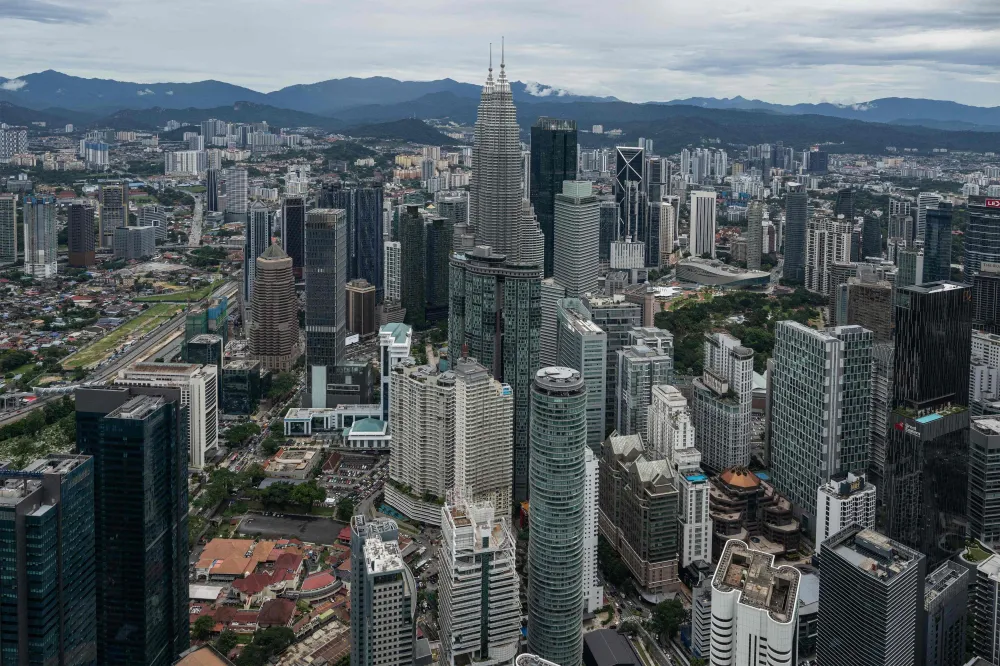
Malaysia is expected to maintain a positive economic outlook through the second half of 2026, the World Bank Group said on November 11, citing investment activity and domestic demand supported by job gains and targeted fiscal assistance.
Speaking in Kuala Lumpur, Zafer Mustafaoğlu, its division director for the Philippines, Malaysia and Brunei, warned that geopolitical conflict, trade friction and softer global demand were creating near-term uncertainty. Malaysia’s open economy leaves it vulnerable through financial markets and trade, he said.
Mustafaoğlu was speaking at the launch of the October 2026 Malaysia Economic Monitor, titled “From Quantity to Quality: Financing Malaysia’s Productive SMEs”. He said Malaysia was approaching high-income status, but smaller businesses needed to raise productivity, adopt more technology, develop intellectual property and innovate.
That shift requires financing beyond working capital and conventional investment funding, he said. Firms need higher-risk expansion capital to enter global markets, overhaul automation, digitalise, adopt artificial intelligence and undertake green transitions. The issue was not just access to credit, but whether available funding matched businesses’ productive and innovative investment needs, including projects dependent on future capacity rather than existing collateral.
He also urged Malaysia to restore fiscal room to withstand future shocks, calibrate monetary and macroprudential policies appropriately, and maintain attention on long-term growth despite immediate pressures. Deeper structural reform was essential to sustainable growth and better jobs, he said.