Bank Indonesia frees up Rp149.3 trillion for small business and housing loans
Lower reserve requirements have given banks more room to lend, with Rp84.3 trillion earmarked for small businesses and around Rp65 trillion for housing.
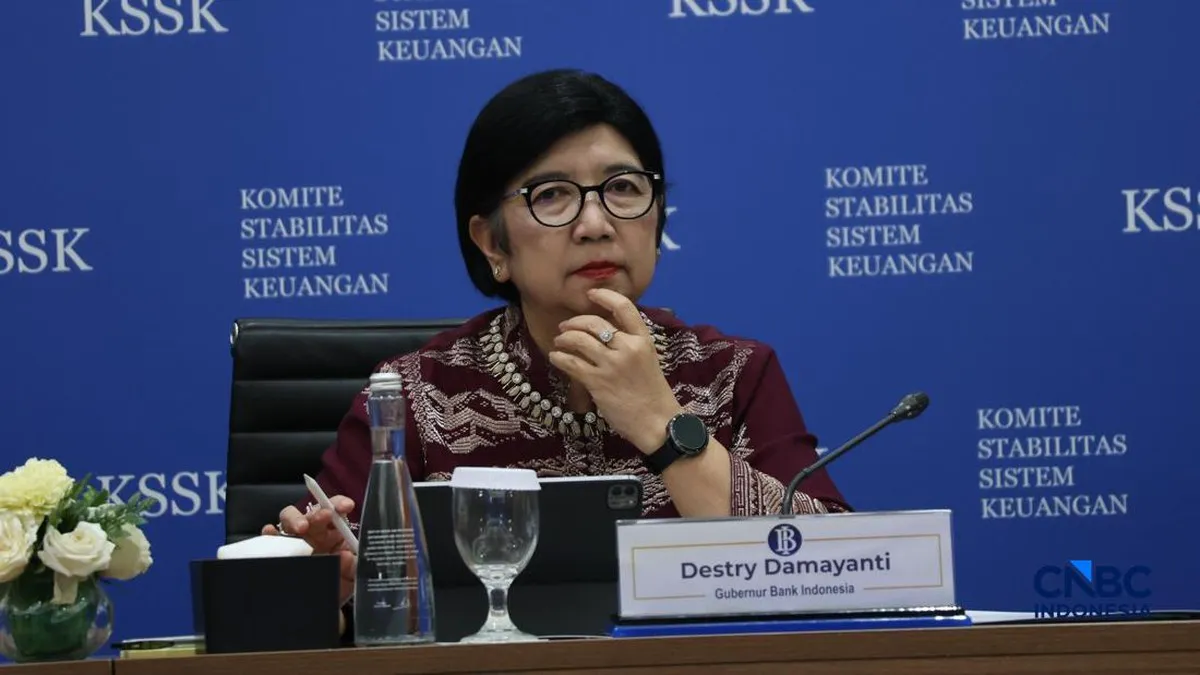
Bank Indonesia has made Rp149.3 trillion in liquidity available to banks to support lending to micro, small and medium-sized enterprises and the housing sector, Governor Destry Damayanti said at a press conference on 11 November 2026.
Destry said the central bank's macroprudential measures had freed up Rp84.3 trillion for small-business financing and around Rp65 trillion for housing. The measures reduce the funds banks must hold at Bank Indonesia, leaving them with more liquidity to finance productive sectors.
Bank Indonesia also reduced banks' reserve requirement from 9 per cent to 7 per cent in October 2026. Destry said the steps were intended to support economic growth and government programmes, particularly those involving small businesses and housing.
The liquidity support comes alongside a Rp394 trillion target for the government's Kredit Usaha Rakyat (KUR) lending programme in 2027. The target was set at a KUR policy committee coordination meeting chaired by Coordinating Minister for Economic Affairs Airlangga Hartarto.
The government set regular KUR funding at Rp325 trillion. It also allocated Rp30 trillion for housing financing and Rp30 trillion for a credit programme to empower underprivileged women. Other allocations included Rp1.4 trillion for agricultural KUR and Rp600 billion in production investment credit for labour-intensive industries.
Housing and Settlement Areas Minister Maruarar Sirait said financing under the housing KUR programme had reached around Rp30 trillion by 10 November 2026, covering about 117,000 homes. BRI provided the largest amount, at Rp13 trillion.
That programme finances housing developers, building-material traders and construction-service providers, as well as borrowers seeking to renovate, buy or build homes.