Malaysia seeks SME financing better suited to investment needs
The World Bank found that SMEs still relied on internal funds for about two-thirds of fixed-asset investment despite rising loan approval rates.
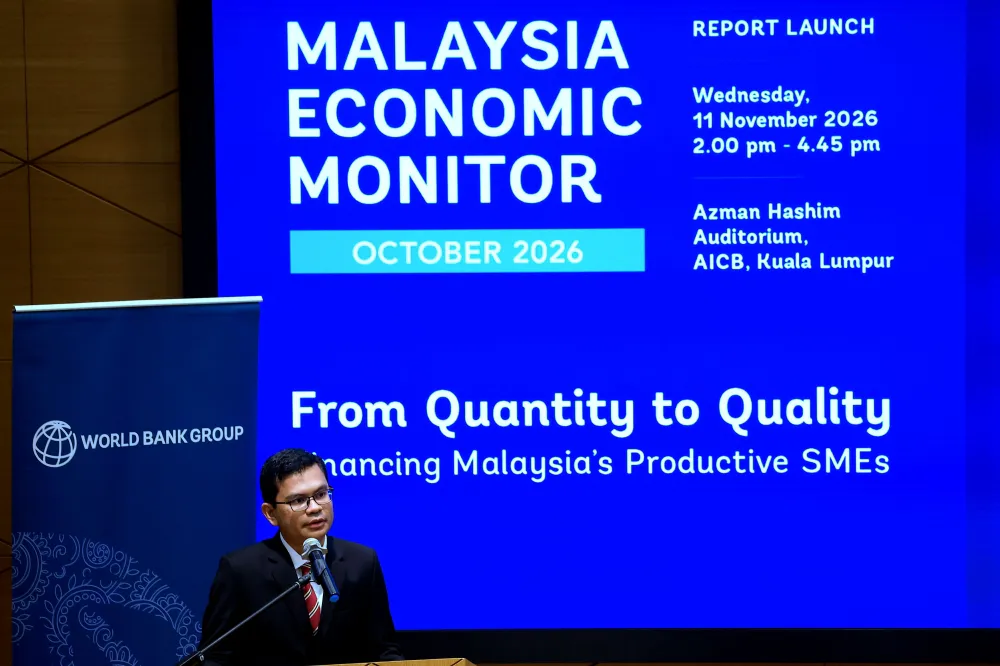
Malaysia wants financing for small and medium enterprises (SMEs) to better support investment and expansion, Economy Minister Akmal Nasrullah Mohd Nasir said on November 11. He said the aim was to help local businesses compete internationally and improve productivity, supporting higher pay and better jobs.
Speaking in Kuala Lumpur after the launch of the World Bank’s 33rd Malaysia Economic Monitor, Akmal said access to credit alone was no longer the central issue. Financing also needed to match businesses’ requirements, with greater transparency in how it was provided.
The government had noted World Bank recommendations to accept a wider variety of collateral, he said. Depending on property as loan security could restrict borrowing by firms that held other assets. He cited machinery and accounts receivable as assets that should also be considered.
According to the World Bank, about 38 per cent of Malaysian firms had loans or credit facilities. Loan approval rates reached 86 per cent in 2024, compared with about 68 per cent in 2015. Yet SMEs funded about two-thirds of fixed-asset investments themselves, while their external funding depended largely on bank borrowing, with limited equity and other risk capital available.
The World Bank warned that funding constraints could hamper innovation, productivity and expansion. Akmal said improving financing quality supported the 13th Malaysia Plan’s goals of increasing productivity and economic competitiveness.