Indonesia’s external debt rises to US$458.9 billion in Q3 2026
Government borrowing increased while private-sector external debt declined, according to Bank Indonesia.
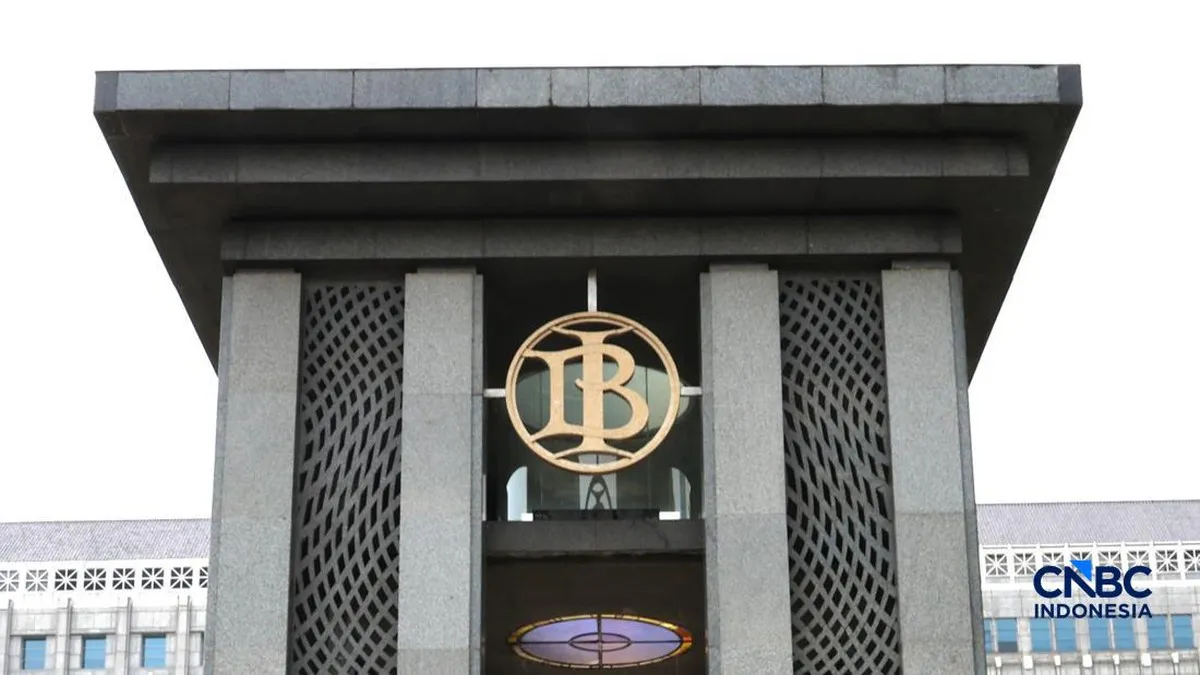
Indonesia’s external debt reached US$458.9 billion in the third quarter of 2026, compared with US$455.4 billion in the preceding quarter, Bank Indonesia said on 16 November. The central bank reported annual growth of 7.2 per cent.
The increase was driven mainly by government external debt, which rose to US$220.2 billion from US$216.3 billion. Bank Indonesia attributed this to greater foreign investment in government securities and loan drawdowns, saying these reflected continued investor confidence in Indonesia’s economic prospects.
Government external borrowing financed sectors including health and social services, which accounted for 22.0 per cent of the total. Public administration, defence and compulsory social security represented 20.8 per cent, followed by education at 16.2 per cent, construction at 11.4 per cent, and transport and storage at 8.5 per cent.
Private-sector external debt fell to US$196.3 billion from US$196.7 billion, with declines among both financial and non-financial corporate borrowers. Manufacturing, financial and insurance services, electricity and gas supply, and mining and quarrying together accounted for 80.5 per cent of private external debt.
External debt amounted to 30.9 per cent of gross domestic product. Long-term borrowing represented 84.3 per cent of the overall debt stock, including all government external debt and 76.6 per cent of private-sector external debt, according to the central bank.