Indonesia’s circular economy could add 4.4 million jobs by 2030
Manpower Minister Yassierli said the shift could add Rp638 trillion to GDP, but stressed that green jobs must include fair pay and worker protection.
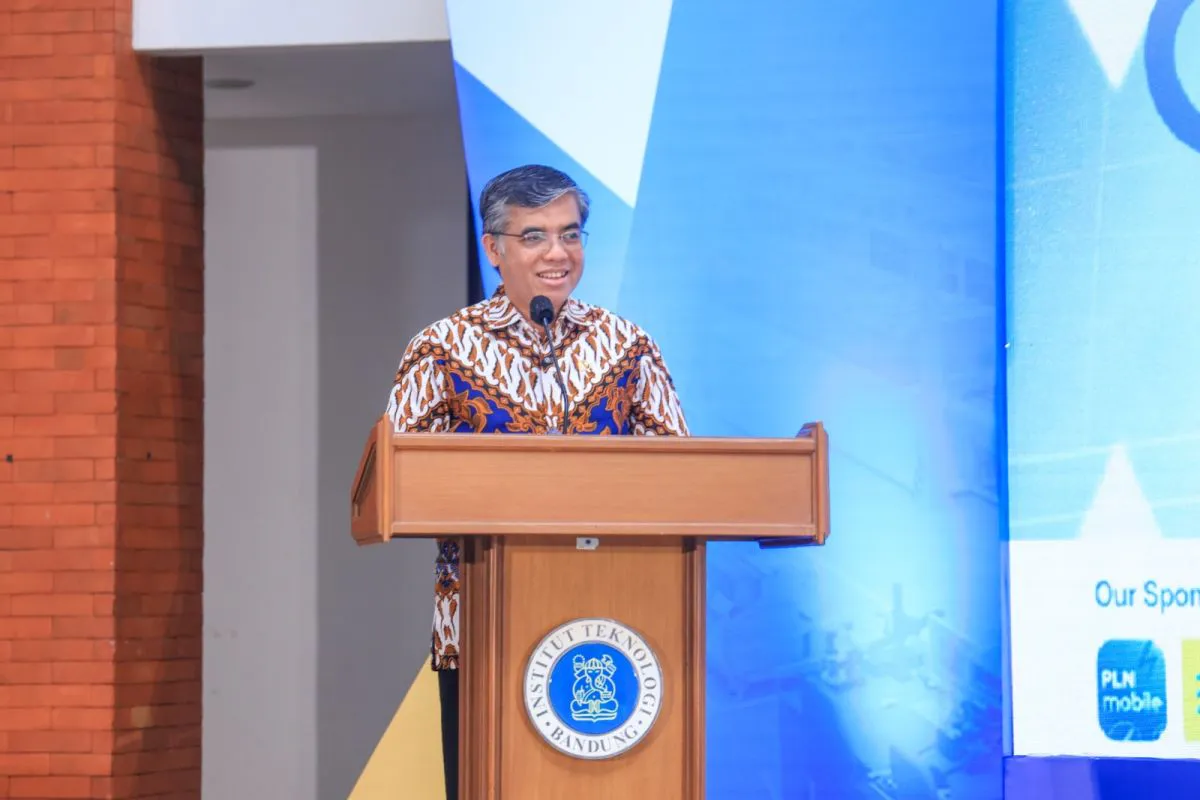
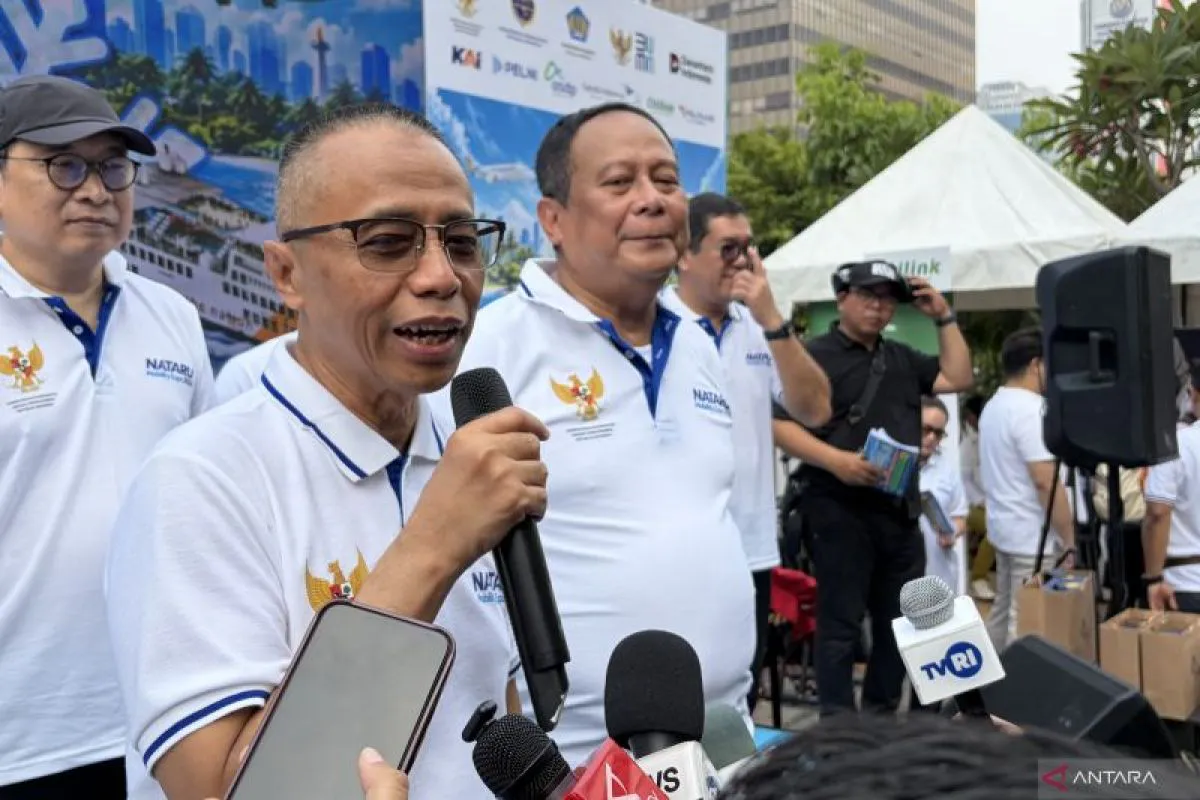
Indonesia could gain 4.4 million jobs by 2030 through a transition to a circular economy, Manpower Minister Yassierli said in Jakarta. He put its potential additional contribution to gross domestic product at Rp638 trillion.
Yassierli identified food, plastic packaging, electronics, construction and textiles as the main sectors offering opportunities. He said moving away from waste-generating production towards greater reuse of materials and products could create additional value.
Realising that potential would require businesses to work with specialists across different disciplines, particularly on technologies for processing materials, he said. Workers would also need training to develop new skills and adapt to changing industrial practices.
The minister cautioned against measuring the transition only by business opportunities or employment numbers. Environmentally beneficial work must also offer fair wages, social protection and safeguards for workers’ health and safety, he said.
He pointed to waste sorters, who he said mostly work informally despite their important role in reusing materials. The government is working to give the occupation greater recognition, improve workers’ ability to turn discarded materials into higher-value products and widen their access to social security, Yassierli said.