Indonesia weighs moratorium on smelters producing semi-finished nickel
The government wants more nickel processed into finished goods domestically and is reviewing whether to keep permitting new intermediate-product smelters.
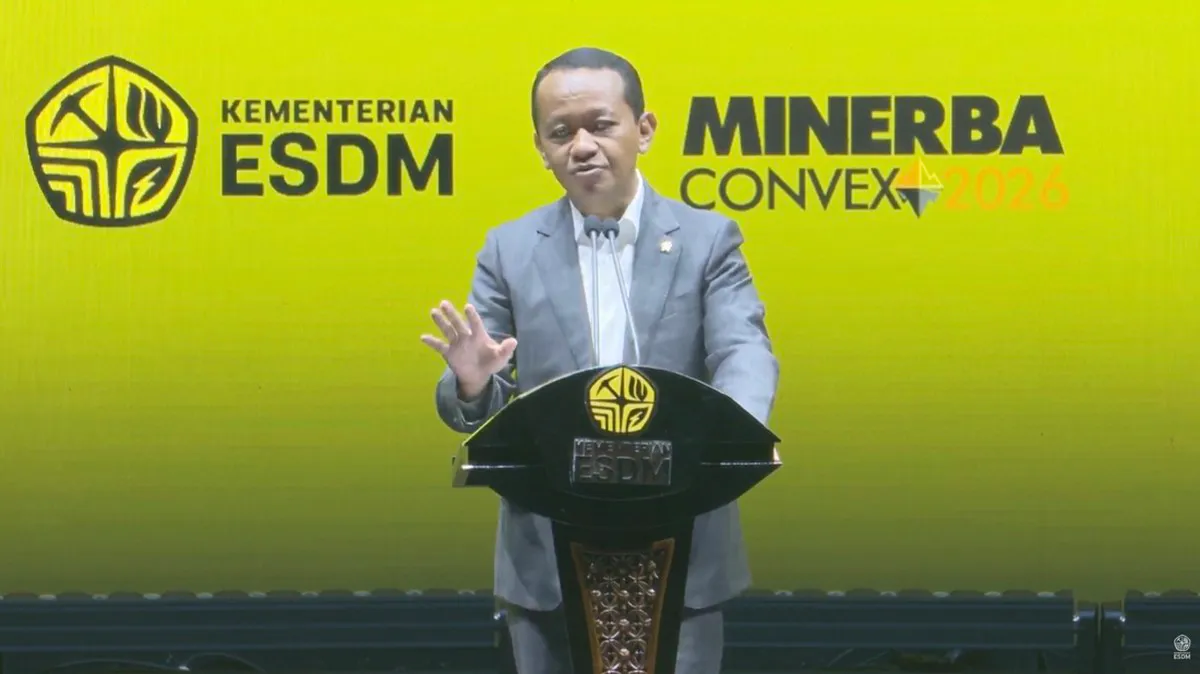
Indonesia is considering halting construction of new nickel smelters that produce only semi-finished materials, Energy and Mineral Resources Minister Bahlil Lahadalia said on 2 November 2026. He has instructed the Directorate General of Mineral and Coal to assess whether permits for such facilities should continue.
Speaking at the Minerba Convention & Exhibition (Convex) 2026 at Jiexpo, Bahlil said intermediate products still dominated Indonesia’s nickel-processing industry. The government puts their share of national production capacity at 50-60% and wants more of those materials processed domestically into finished goods rather than exported.
The proposed moratorium remains under study. Alongside that review, Bahlil called for the use of the Work Plan and Budget, known as RKAB, to regulate nickel output and manage the balance between supply and demand.
The Indonesian Nickel Industry Forum (FINI) reported that domestic processed nickel output reached 2.5 million tonnes in 2025. Its chairman, Arif Perdana Kusumah, said national refining capacity stood at 2.7 million tonnes of Ni that year, with production coming from pyrometallurgical and hydrometallurgical facilities.
FINI estimates that processed nickel production will fall by 3.5% to 4% in 2026 compared with 2025, before increasing in 2027 as new projects add capacity. Arif said HPAL-based hydrometallurgical projects would complete construction and move into commissioning and full operation.
Those additions are focused on nickel materials for electric-vehicle batteries. FINI expects national MHP production capacity, which was 450,000 tonnes in 2025, to exceed 900,000 tonnes of nickel by the end of 2027.