Indonesia weighs moratorium on new nickel smelters
Nickel industry group FINI says tighter supply controls have helped rebalance the market, while forecasting further capacity growth by the end of 2027.
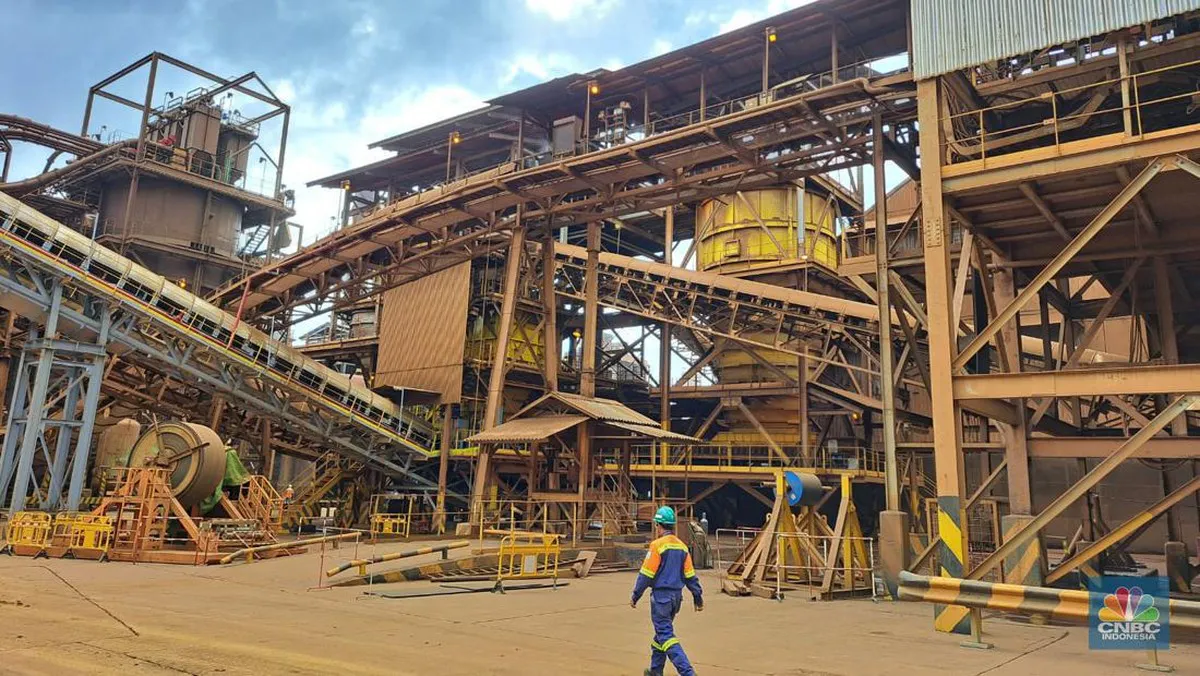
Indonesia is considering a moratorium on new nickel smelters producing semi-finished materials, Energy and Mineral Resources Minister Bahlil Lahadalia said. The proposal targets low-grade nickel processing facilities as the government seeks to address oversupply and falling prices.
Speaking at the Investor Daily Summit 2026 in Jakarta, Bahlil said the government could restrict such projects while encouraging industries that make finished downstream products. He also said national output would be regulated according to global supply and demand, rather than allowing all installed capacity to operate fully.
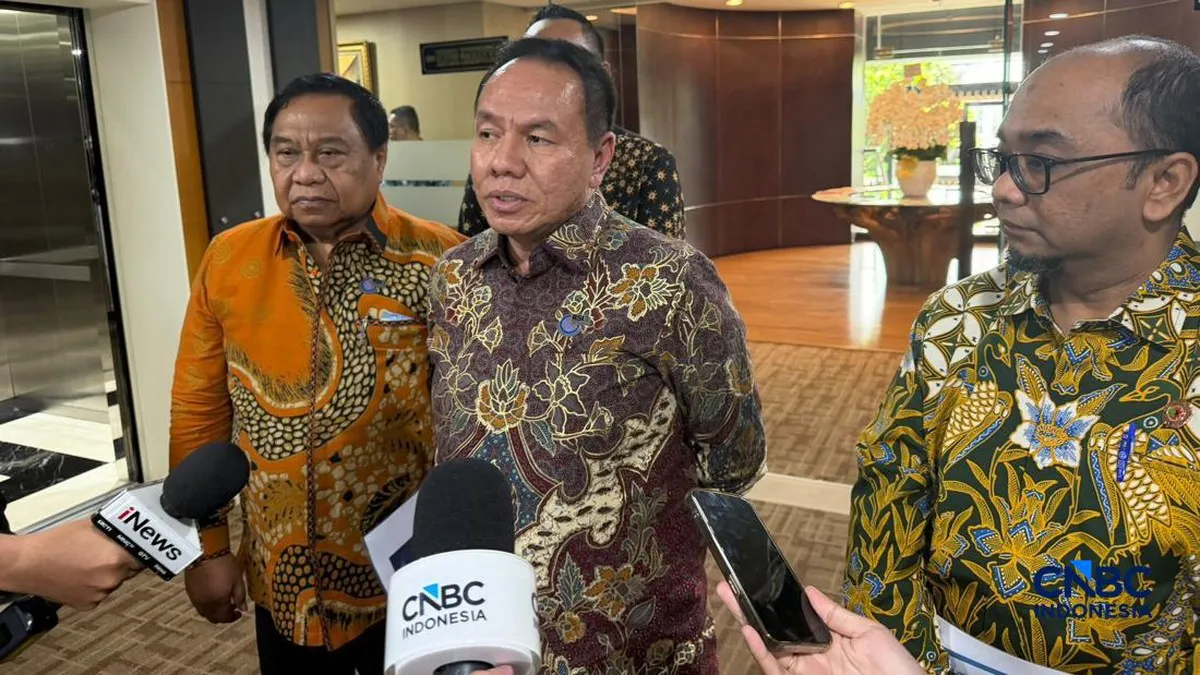
Forum Industri Nikel Indonesia (FINI) chairman Arif Perdana Kusumah offered a different assessment of market conditions. He told CNBC Indonesia on 14 October 2026 that tighter Indonesian supply policies had, in theory, restored balance and reduced the large surpluses seen in previous years.
According to Arif, Indonesia accounts for about 60 per cent of global nickel supply and produced 2.5 million tonnes in 2025. Of that output, 2.05 million tonnes consisted of NPI, FeNi and Matte, while 450,000 tonnes were MHP and nickel sulphate. National smelter capacity reached 2.7 million tonnes of Ni in 2025 across pyrometallurgical and hydrometallurgical operations.
Arif projected that Indonesian processed nickel production would decline by around 3.5 per cent to 4 per cent in 2026. However, he expected HPAL-based hydrometallurgical projects completing construction to add capacity in 2027, with MHP capacity forecast to rise from 450,000 tonnes in 2025 to more than 900,000 tonnes of nickel by the end of 2027.
He warned that inventories at the LME and in China could exceed 600,000 tonnes in 2026 and potentially constrain price increases. Domestic and global regulatory uncertainty, alongside geopolitical conditions, remained concerns, he said.