Indonesia targets higher spending while keeping deficit near 2.85% of GDP
Officials told the president that the economy remained resilient, while Bank Indonesia flagged food inflation of 5% as requiring attention.
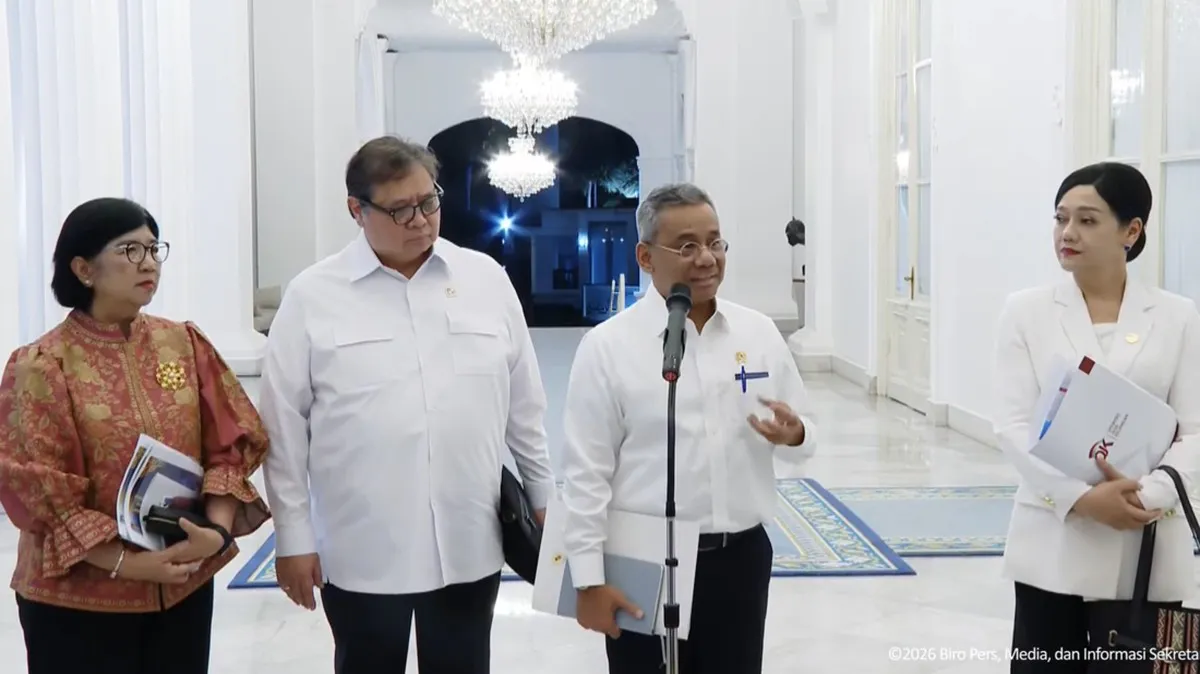
Indonesia plans to increase government spending through the remainder of 2026 while maintaining a budget deficit of around 2.85% of GDP, Finance Minister Suahasil Nazara said after an economic coordination meeting with the president in Jakarta on 19 October.
Suahasil described the economy as resilient despite global instability. He said fourth-quarter budget spending would exceed the level in the same quarter last year, supporting economic activity and consumption. Public services, social protection and food assistance were among the spending measures he highlighted, with food assistance already under way in the fourth quarter.
Bank Indonesia Governor Destry Damayanti said September core inflation of 2.8% indicated that economic conditions remained under control. However, she said volatile food inflation had reached 5% and required particular government attention because it could weaken purchasing power. The central bank was coordinating with the Agriculture Ministry on efforts to contain it.
Destry also said Bank Indonesia had kept the rupiah stable during recent financial-market turbulence. She said the bank would continue supporting the currency, considering intervention in spot, NDF and DNDF markets as well as hedging-cost incentives.
Financial Services Authority (OJK) chair Friderica Widyasari Dewi said capital-market reforms would continue, focusing on transparency and liquidity. She also pledged further enforcement against violations, including coordinated trading, saying this was intended to deter misconduct and strengthen market credibility and integrity.