Indonesia outlines stimulus and technology plans to pursue 8% growth
The government is targeting 8% economic growth in 2029 through support for consumption, workforce training, technology industries and wider export access.
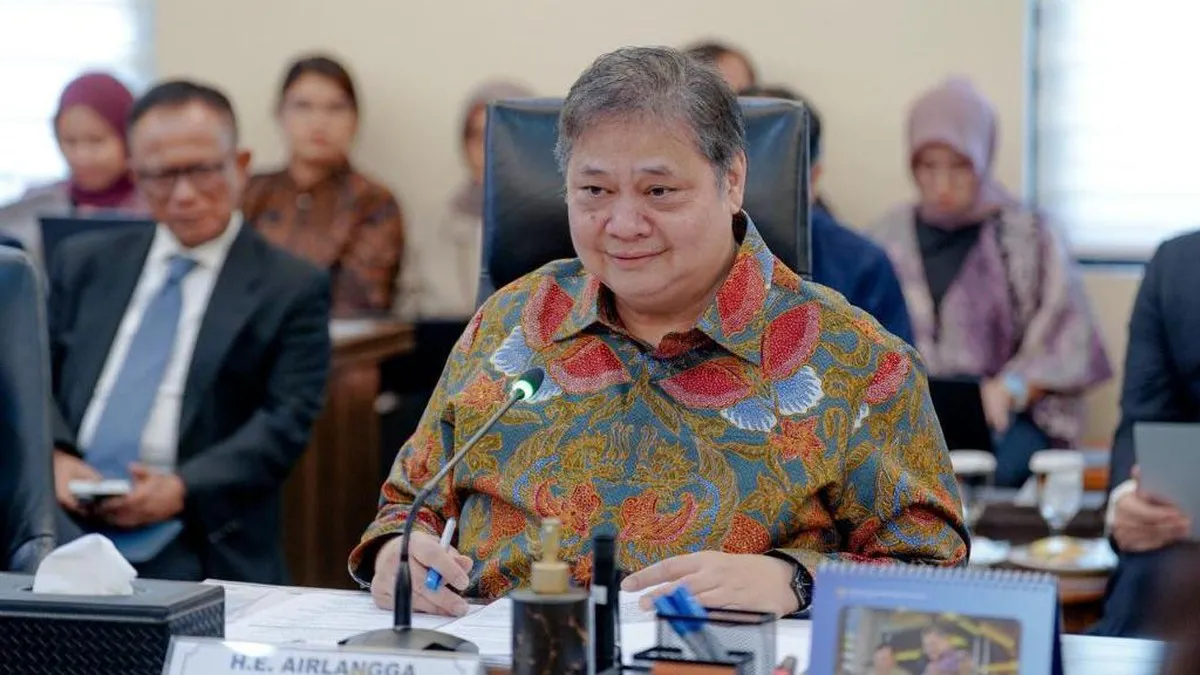
Indonesia is preparing consumer incentives and workforce programmes while pursuing technology investment and trade agreements to reach its target of 8% economic growth in 2029, Coordinating Minister for Economic Affairs Airlangga Hartarto said.
Speaking at the Business & Leadership Forum in Jakarta on 25 November 2026, Airlangga said industrial activity, household consumption and investment supported annual economic growth of 5.47% in the third quarter of 2026. He urged businesses to increase productive spending and investment.
For the Christmas and New Year period, the government plans to cover 100% of value-added tax on domestic economy-class air tickets from 22 December 2026 to 10 January 2027. Other measures include 30% discounts on economy-class rail tickets in Java and Sumatra, PELNI ferry fare discounts and waivers of ASDP port service charges at selected ports.
Food assistance will continue at 10 kilograms of rice monthly for 33.24 million families. The government is also preparing a Rp900,000 wage subsidy for around 13.3 million workers for November-December 2026.
In 2027, workforce measures will include a national internship programme for 150,000 participants and vocational training for 300,000. The government is also preparing job-loss protection and government-paid Article 21 income tax incentives for employees earning up to Rp10 million a month.
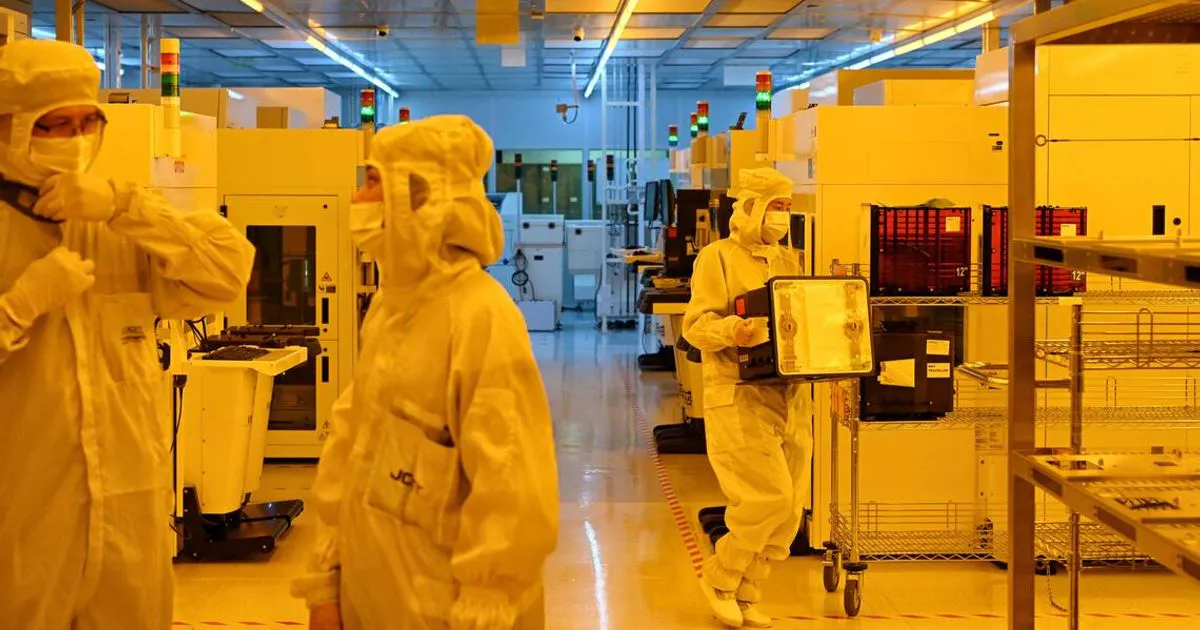
Airlangga identified artificial intelligence, semiconductors and data centres as industries intended to support medium-term growth. Indonesia's data-centre capacity is currently around 700 megawatts (MW), with a projection of 1.3 gigawatts (GW) in 2029.
On trade, Airlangga cited the signing of the Indonesia-European Union Comprehensive Economic Partnership Agreement in Brussels on 21 November 2026. The agreement aims to eliminate most tariff lines between the two sides. Indonesia is also continuing its OECD accession process, with compliance with standards at around 80%, and exploring membership of the Comprehensive and Progressive Agreement for Trans-Pacific Partnership.