Indonesia bars lobster seed exports permanently
The government has formed a multi-agency task force against smuggling, while allowing exports of fully farmed lobsters subject to weight and certification rules.
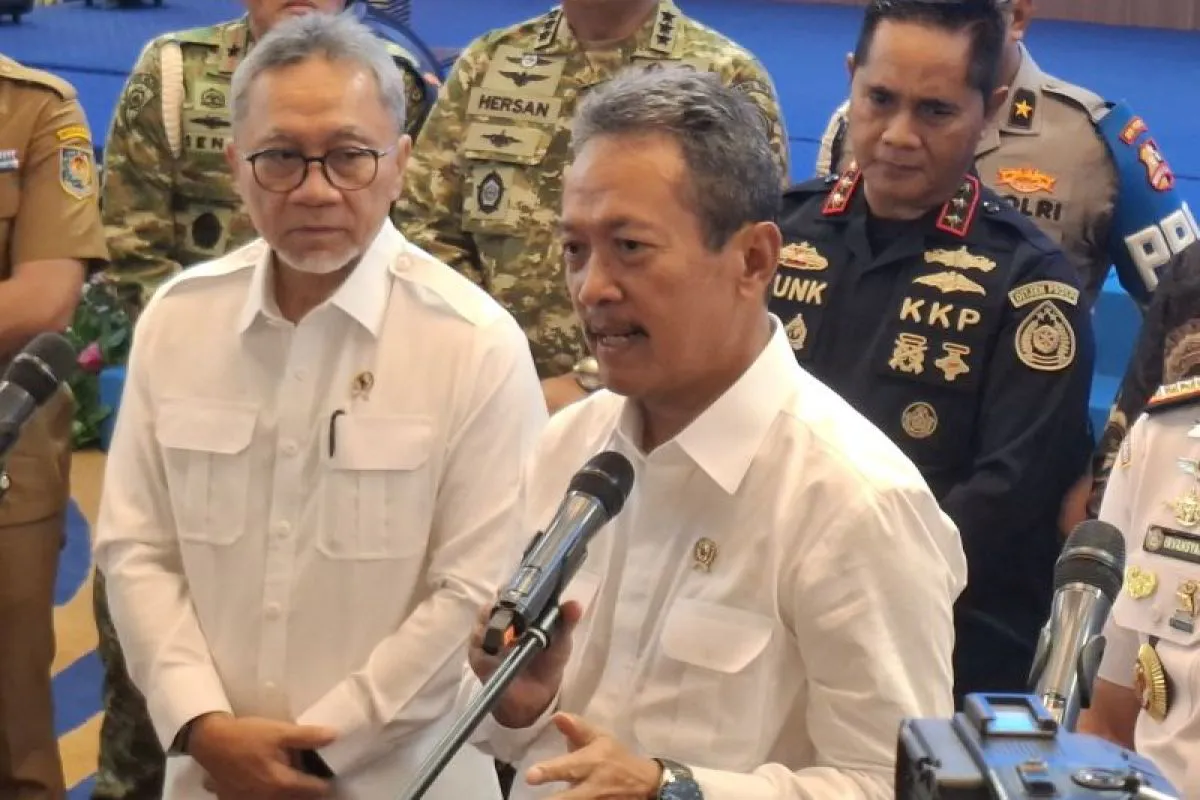
Indonesia’s prohibition on exporting clear lobster seeds is permanent, Marine Affairs and Fisheries Minister Sakti Wahyu Trenggono said at a Jakarta launch of a task force to combat seed smuggling. Harvested seeds must instead supply aquaculture operations in Indonesia.
Regulation No. 5/2026 of the Ministry of Marine Affairs and Fisheries amends Permen KP No. 7/2024, limiting seed collection to regulated domestic farming quotas. It also requires lobster grow-out activities to remain inside the country.
Presidential Regulation No. 69/2026 created the Task Force for Eradicating the Outflow of Clear Lobster Seeds, or Satgas P2BBL. Ministries, government agencies and law enforcement bodies participate in the joint operation, with Trenggono identifying enforcement as the priority for stopping illegal trade.
The export restriction does not cover fully farmed lobsters weighing 50 grams or more that carry an official certificate of origin. Trenggono said overseas entities wanting access to Indonesian seeds must negotiate legal cooperation, with cultivation conducted in Indonesia.
Indonesia’s annual wild lobster seed population is estimated at approximately 500 million. The government wants domestic farming to retain more economic value locally. The Directorate General of Aquaculture’s Strategic Plan targets farmed lobster output of 1,100 tons by 2026; production reached 481 tons in 2024 and 437 tons in 2023.
In September 2026, the ministry recorded exports to Singapore of 339.5 kilograms of farmed lobsters produced by a Batam pilot project in the Riau Islands.
Trenggono said bilateral discussions with neighbouring nations over two years had failed to stop illegal trading. Jakarta would therefore focus first on enforcement at home rather than initiate discussions with destination countries.