Hun Manet urges Cambodian producers to build loyalty during border closures
The prime minister called for simpler product registration and said he wanted Cambodian-made goods to make up 80 per cent of supermarket offerings within 10 years.
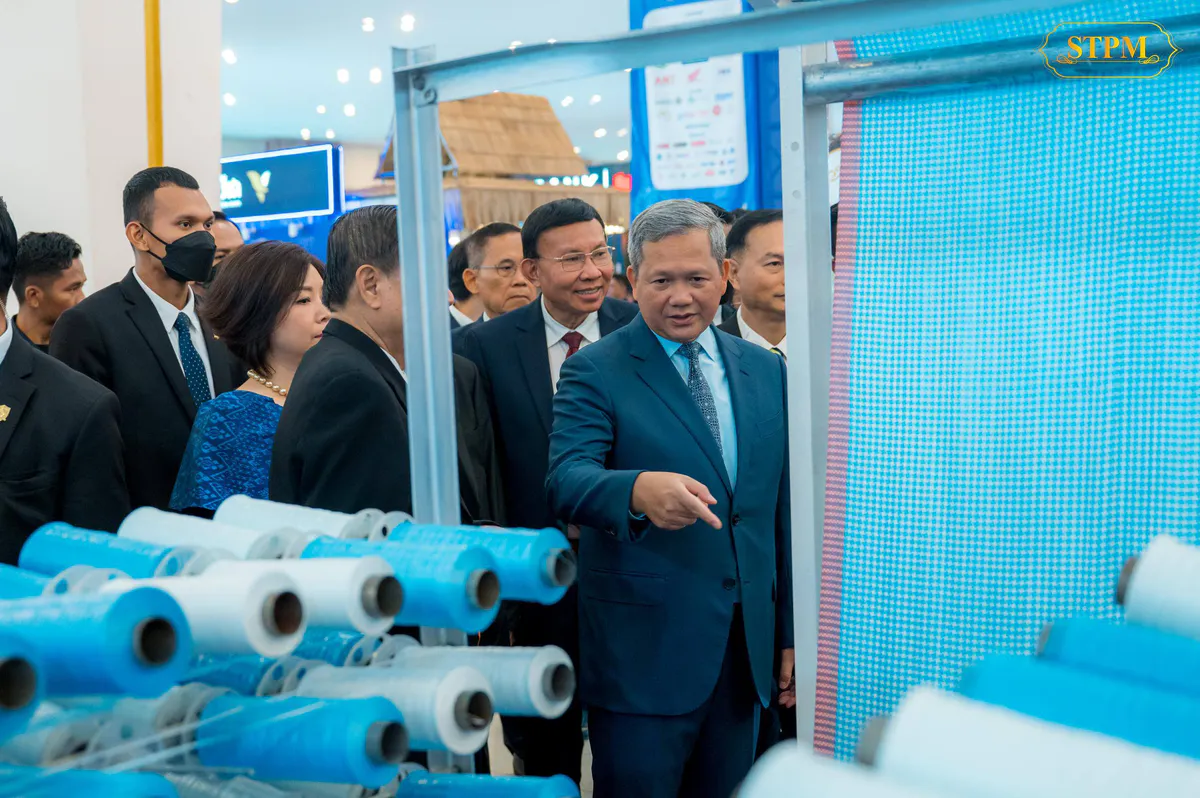
Cambodian manufacturers benefiting from border closures should improve standards and win repeat customers before imported goods become more widely available again, Prime Minister Hun Manet said at the fourth Khmer Products Exhibition in Phnom Penh on November 21.
He warned that the current advantage would not remove competition from other countries. Dependable service, consistent quality and close contact with buyers could help domestic suppliers retain customers once they had more purchasing options, he said.
Manet urged businesses facing orders beyond their capacity to limit quantities rather than compromise standards. He said trust built over years could be damaged by one faulty production run, and called for improvements to product safety, packaging, branding and delivery reliability.
He instructed the Ministry of Industry, Science, Technology and Innovation to make product registration simpler and broaden outreach without weakening consumer safeguards. Authorities should also improve testing, certification and technical assistance, he said.
The prime minister cited fresh milk as an area where Cambodian production could serve more of an existing domestic market. He also advocated closer links among raw material suppliers, manufacturers, packaging businesses and transport operators to keep more value within Cambodia.
Manet said he wanted locally manufactured products to represent 80 per cent of supermarket goods within 10 years. He urged consumers to choose Cambodian products out of confidence in them, rather than as a boycott of another country.
He also encouraged manufacturers to seek overseas buyers, including through Cambodian business communities abroad. With Cambodia preparing to leave least developed country status in 2029, he said producers needed to improve productivity, technology and competitiveness to adapt to changing trade conditions.