Cambodia weighs reserving some manufacturing for local entrepreneurs
Hun Manet also proposed examining a domestic purchasing allocation for government contracts, with furniture among the goods under consideration.
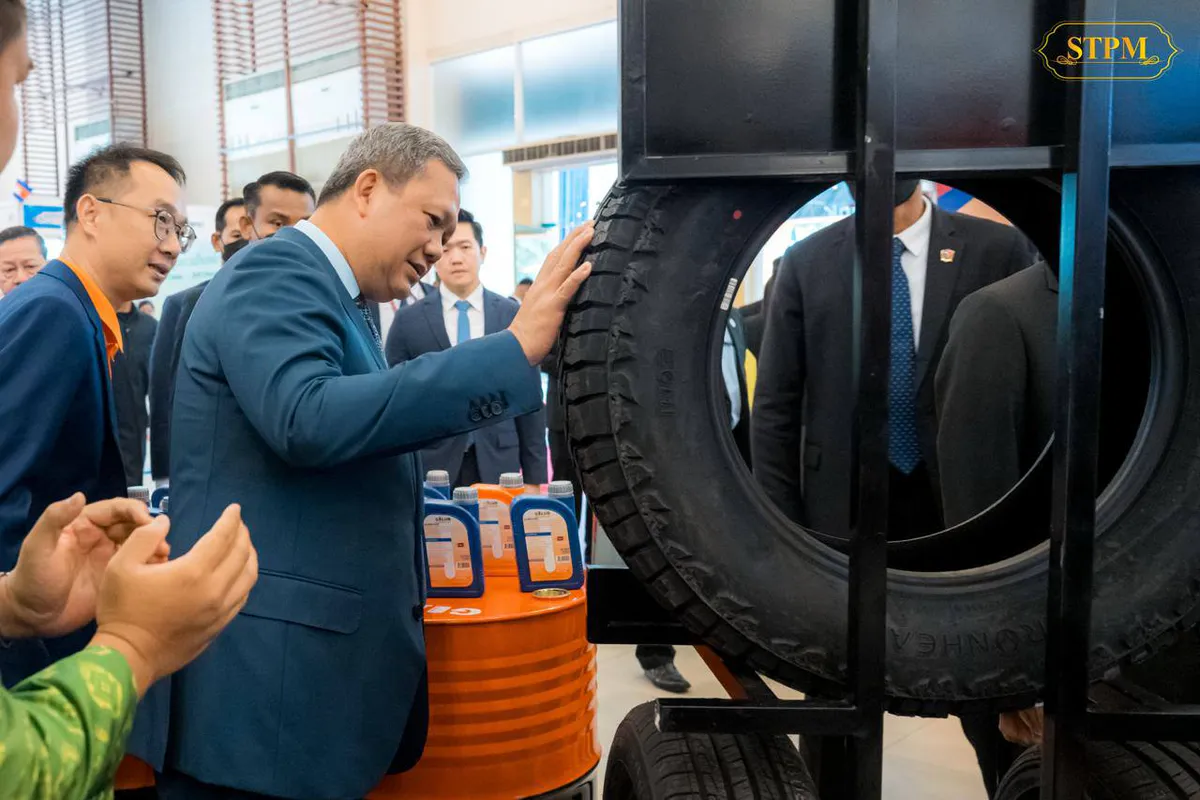
Cambodian Prime Minister Hun Manet has asked authorities to investigate reserving some manufacturing opportunities for local entrepreneurs supplying Cambodian buyers. Addressing the fourth Khmer Products Exhibition in Phnom Penh on November 21, he linked the proposal to stronger domestic businesses and reduced import dependence.
Manet cited household products, including plates and cookware, as possible areas for small and medium-sized enterprises. He said officials should assess the legal position, including Cambodia’s commitments to the World Trade Organization. His proposal distinguished local sales from exports: foreign investors could make those products for overseas customers. He identified neither specific activities for reservation nor an implementation schedule.
A separate assessment requested from Minister of Economy and Finance Aun Pornmoniroth would consider allocating some public purchases to Cambodian producers, especially furniture makers. Under Manet’s suggested arrangement, government contractors would buy a portion of their supplies locally instead of importing them. He said predictable orders could finance workshop expansion and quality improvements, arguing that somewhat higher initial spending could help producers lower costs over time.
Manet’s ambition is for supermarkets to stock 80 per cent Cambodian goods within 10 years, with imported products accounting for 20 per cent. He advocated concentrating assistance on a few product categories first, coordinating support from raw materials through manufacturing, packaging and transport rather than covering thousands of products at once.
He said officials were also working on two sub-decrees covering SME business lifecycle management and incentives, intended to streamline procedures and offer financial and non-financial assistance. He called for lenders to provide financing matched to orders, expansion and technology investment. Manufacturers, he added, would still need safe, good-quality products, reasonable pricing and consistent supplies to keep customers.