Cambodian PM urges lenders to adapt financing for small businesses
Hun Manet called for loans linked to business cycles and purchase orders, alongside training to improve management and technology use.
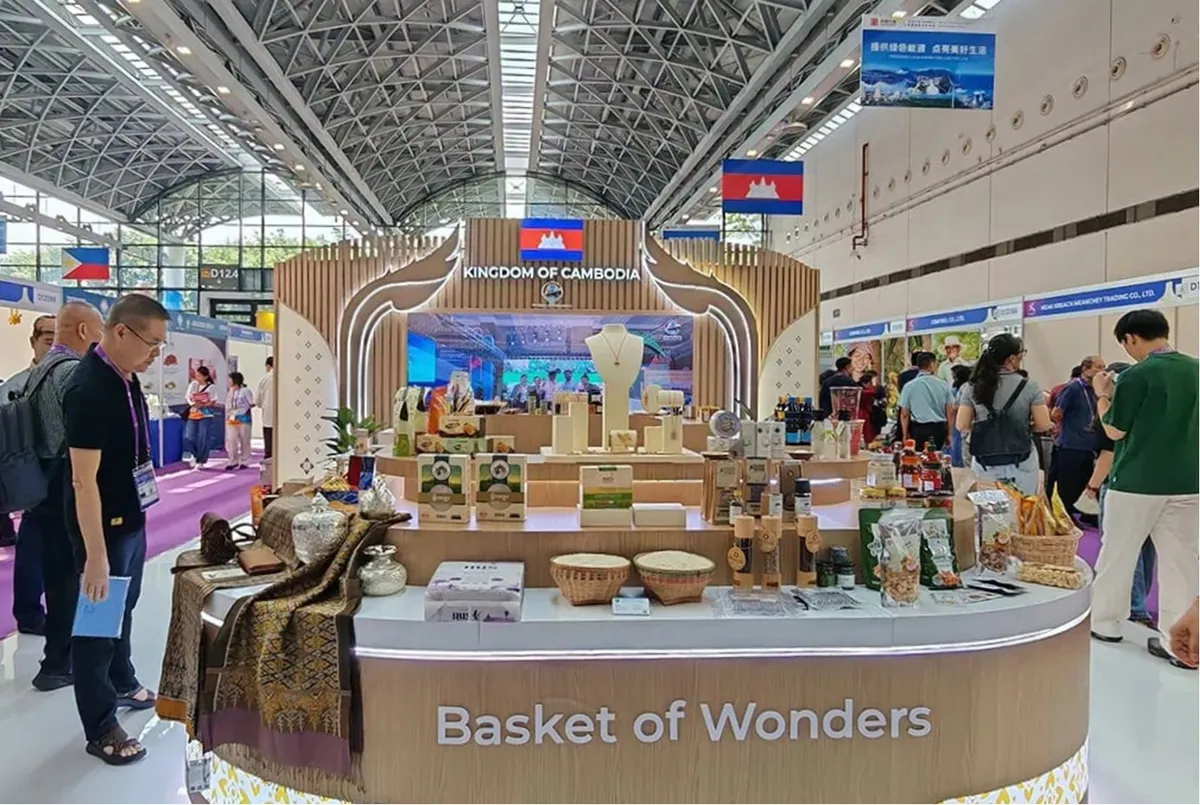
Cambodian Prime Minister Hun Manet has called on financial institutions to develop lending products that better match small businesses’ operating cycles, orders and expansion plans. Speaking in Phnom Penh on November 21, he said many micro, small and medium-sized enterprises still struggled to access suitable finance.
At the opening of the fourth Khmer Products Exhibition, Manet said Cambodia’s outstanding banking and financial system credit exceeded US$63 billion at the end of 2025, a rise of 4.1 per cent from 2024. He said that growth had not resolved smaller enterprises’ financing difficulties.
His appeal included the Agricultural and Rural Development Bank, SME Bank of Cambodia, Credit Guarantee Corporation of Cambodia and private lenders. He also asked enterprises to improve their financial records and production management to increase lenders’ confidence.
Business representatives have separately sought flexibility for borrowers affected by Covid-19. At a November 10 press conference, Te Taing Por, president of the Federation of Associations for Small and Medium Enterprises of Cambodia, urged lenders to reconsider entrepreneurs with minor credit history problems so they could obtain capital for recovery and expansion.
Manet said funding should come with practical assistance in accounting, stock control, work organisation and technology adoption. He urged ministries to align training with business needs, saying better management could cut avoidable spending and help enterprises keep more income.
He also asked exhibition organisers to measure results through orders, commercial agreements and market opportunities continuing beyond the event. Business support programmes, he said, should be assessed on outcomes such as productivity, production costs, jobs and market development.