BSI targets global Islamic banking top five by 2030
The Indonesian lender is aiming for Rp1,000 trillion in assets, a 25 per cent return on equity and 40 million customers by 2030.
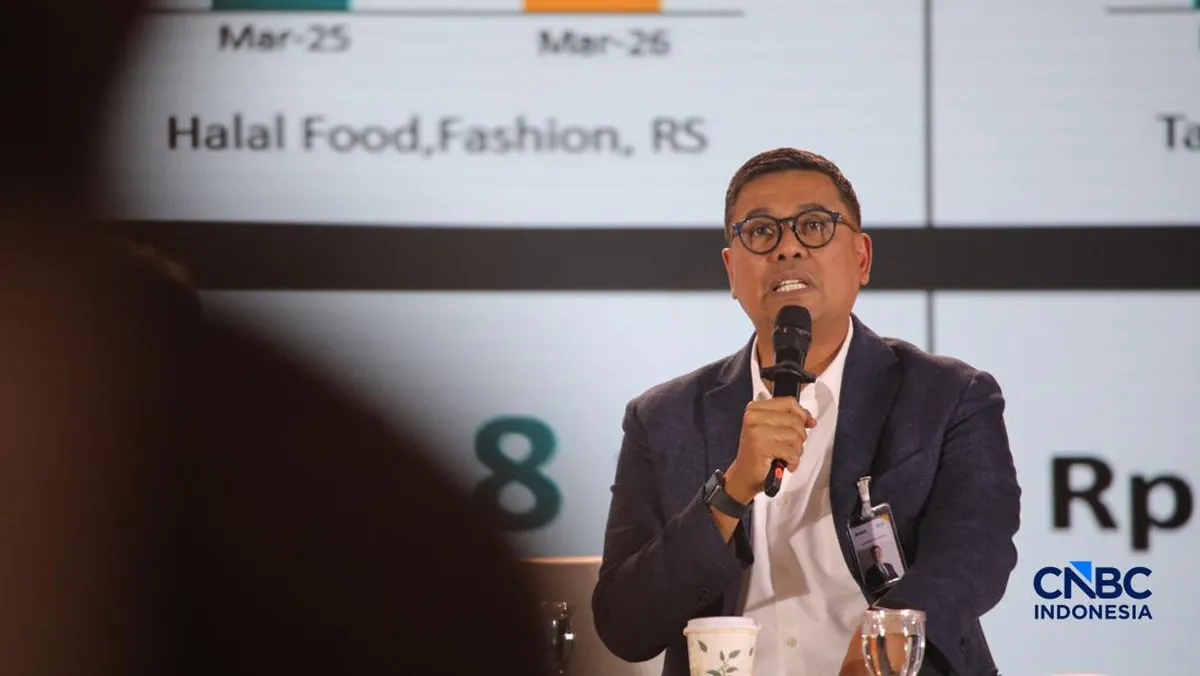
Bank Syariah Indonesia (BSI) aims to rank among the world's five largest Islamic banks by 2030, president director Anggoro Eko Cahyo said, setting out growth targets and highlighting digital services as a way to expand its reach.
Speaking at a CEO Lecture at Perbanas Institute on 28 October 2026, Anggoro said the bank was targeting assets of Rp1,000 trillion, a return on equity of 25 per cent and 40 million customers by 2030.
The state-owned lender currently ranks 12th among Islamic banks globally by market capitalisation. Figures presented by Anggoro showed it held 10th place in May 2026, when its market capitalisation stood at Rp91 trillion.
Anggoro framed the ambition as a matter of national pride for Indonesia, which has the world's largest Muslim population. He said the country's potential for Islamic finance supported the bank's targets, citing a Muslim population of 230 million, with 70 per cent of working age.
He put Islamic economy penetration in Indonesia at just 7 per cent, describing that level as evidence of substantial room for growth. He attributed the low penetration to limited literacy and inclusion in the Islamic economy.
Anggoro also said Islamic banks' branch network was only about one-tenth the size of the conventional banking network, which has 25,000 branches. Mobile banking was therefore essential for Islamic lenders to compete with conventional banks and improve penetration, literacy and inclusion, he said.