Bank Indonesia outlines 2027 plans to deepen money and foreign exchange markets
Priorities include wider use of INDONIA, greater access to currency hedging and expanded participation in financial market infrastructure.
Bank Indonesia (BI) and money and foreign exchange market association APUVINDO will accelerate their market development blueprint in 2027, with four priorities covering money markets, foreign exchange, market participants and infrastructure. BI said the programme aims to improve liquidity, monetary policy transmission and financial stability.
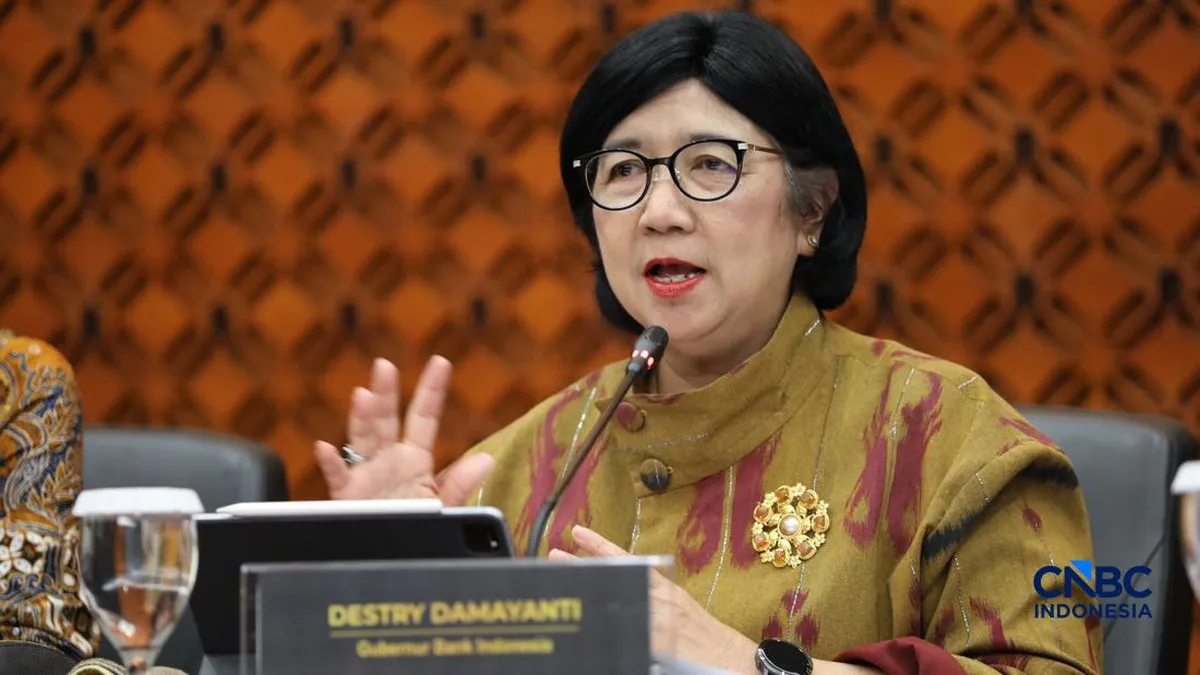
In remarks reported on 28 October 2026, BI Governor Destry Damayanti said implementation of the BPPU 2030 blueprint needed to shift from establishing foundations towards greater trading and use of products and infrastructure. She spoke at a Jakarta meeting with APUVINDO, the Financial Services Authority (OJK) and industry participants.
For money markets, the plans include developing commercial paper as an alternative source of financing for the real economy and extending INDONIA's use as an interest-rate reference across financial products. BI also aims to improve Overnight Index Swap (OIS) liquidity, widen the investor base and encourage secondary-market activity.
The foreign exchange measures seek to make hedging more accessible and strengthen domestic links with global markets. VASTRA will be used to improve global investors' access to hedging. Development of a Renminbi Clearing Bank is intended to improve liquidity and efficiency in Renminbi-Rupiah transactions and support Indonesia-China Local Currency Transaction (LCT) implementation.
Plans for market participants centre on competence, professionalism and integrity through national competency and qualification standards, professional certification and a market code of ethics. APUVINDO's self-regulatory role will support more standardised practices and stronger governance.
Infrastructure priorities include greater use of the Central Counterparty and Tri-party Agent Repo, broader product and participant coverage, and better connections between systems to improve transaction efficiency, security and risk management.
As of October 2026, APUVINDO had 121 members: 105 banking institutions and 16 non-bank institutions and financial market infrastructure operators.