Rupiah weakens 8.4 per cent in 2026 as benchmark rate reaches 6 per cent
Governor Destry Damayanti cited currency pressure, domestic inflation and the possibility of higher US interest rates in explaining the rate increase.
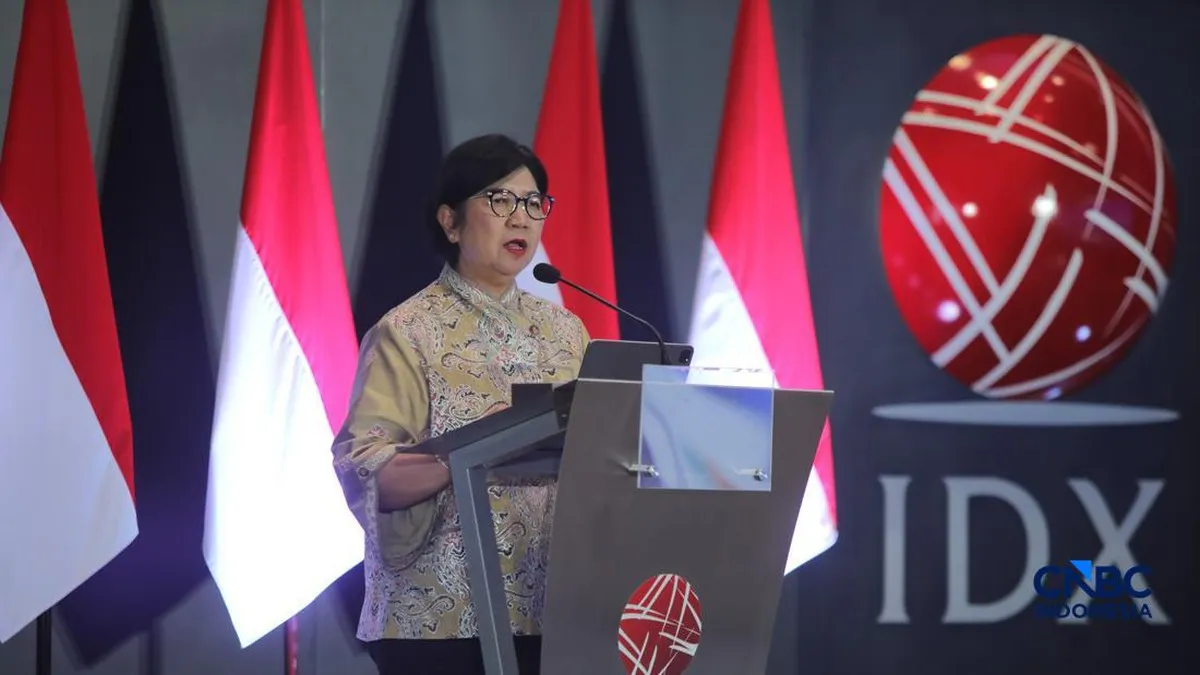
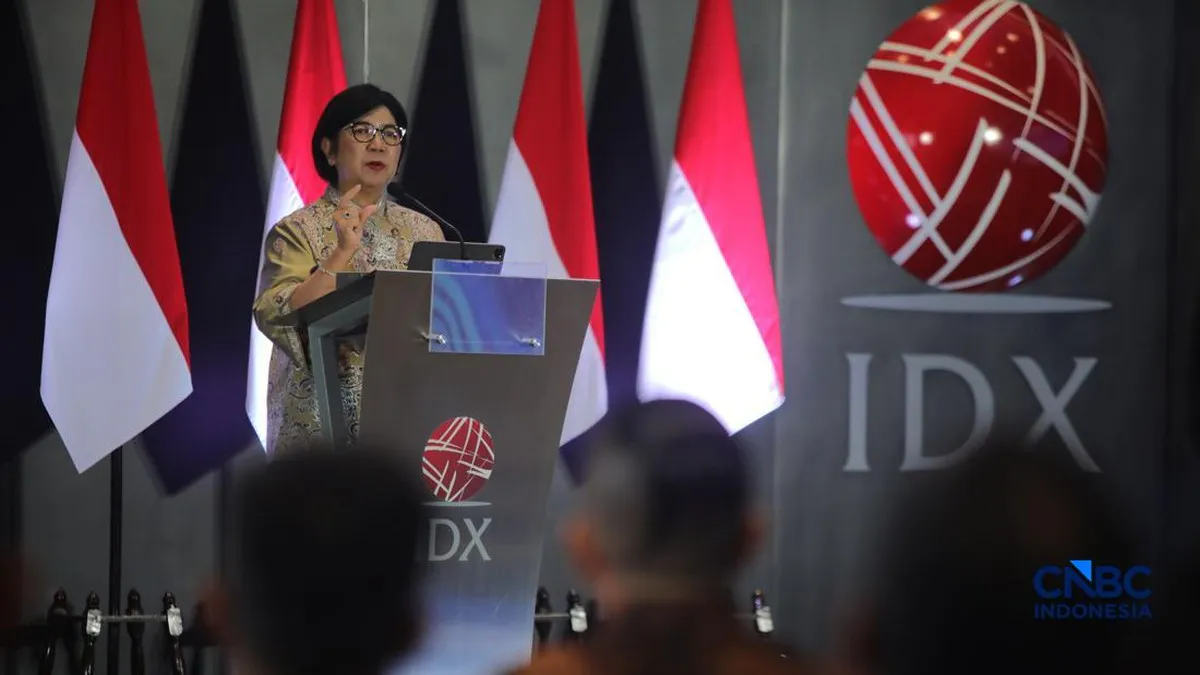
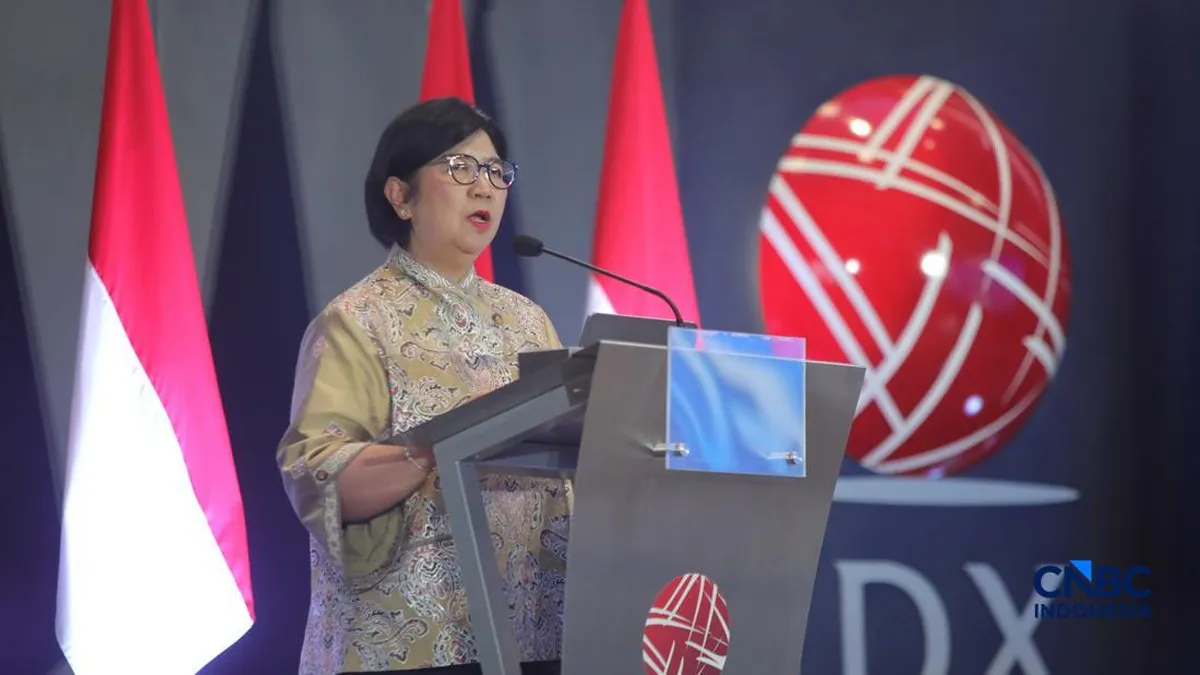
Indonesia’s rupiah has lost about 8.4 per cent since the start of 2026, Bank Indonesia Governor Destry Damayanti said, describing exchange-rate stability as a major challenge. The central bank raised its benchmark BI Rate to 6 per cent, an increase of 25 basis points.
At CNBC Indonesia’s Financial Forum 2026, Destry explained that BI had sought to avoid a rate rise. But headline inflation of 3.23 per cent and the potential for tighter US monetary policy helped shape its decision to act to anchor inflation and strengthen the rupiah.
She said BI saw the possibility of US rate increases in December and subsequent periods as an important policy consideration.
The rupiah faced its strongest pressure during the first half of 2026, Destry said, linking that weakness to geopolitical tensions, particularly the Iran-US war. She said pressure had eased relatively in the second half, although it remained substantial overall.
Destry said efforts to stabilise the currency were accompanied by work to strengthen economic fundamentals. She hoped increased exports, benefiting from commodity price gains alongside rising global oil prices, could provide support.
She also identified energy import substitution as a possible way to improve resilience, citing biodiesel development from B50 to B60 and ethanol use under the E10 and E20 programmes to reduce reliance on imported energy.