Balisacan holds off on Philippine stagflation assessment until year-end
Third-quarter GDP growth slowed to 2.1%, while inflation reached 7.8% in October, its highest level since February 2023.
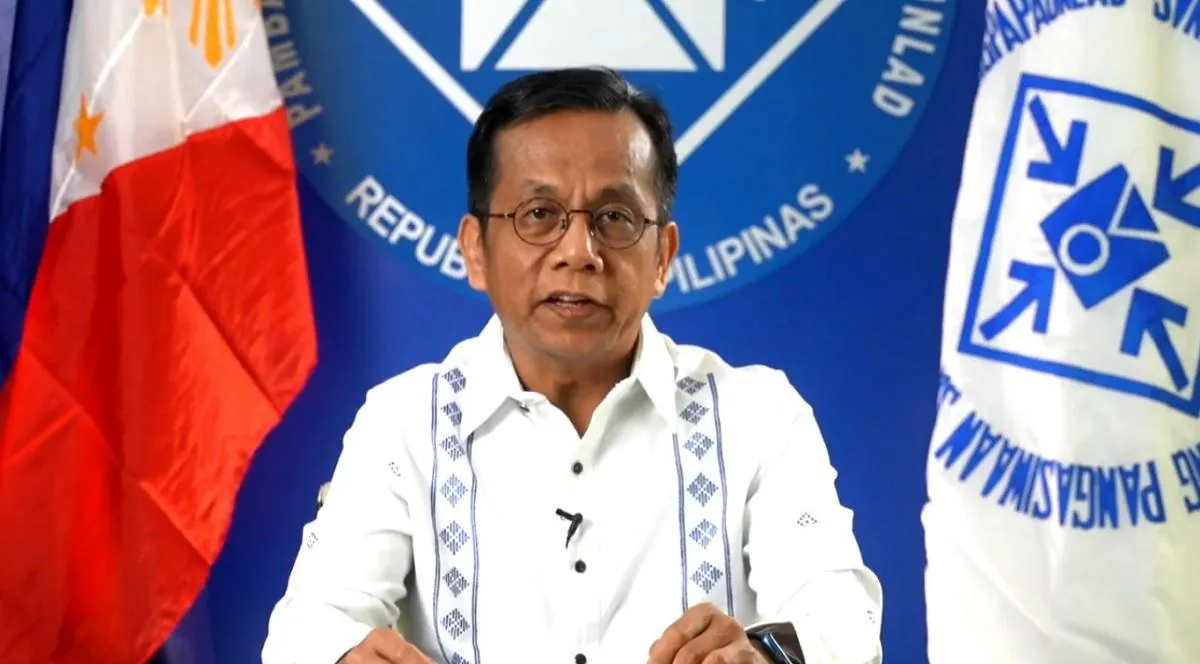
Philippine Economic Planning Secretary Arsenio Balisacan has said he would wait until the end of 2026 before assessing whether the country is experiencing stagflation, despite weaker economic growth and rising inflation.
Balisacan said an assessment needed to consider multiple aspects of the economy rather than rely on a small set of indicators. Stagflation describes a combination of sluggish or stagnant growth, persistently high inflation and high unemployment.
GDP expanded by 2.1% in the third quarter of 2026, below the upwardly revised second-quarter rate of 2.4%. Inflation rose for a second consecutive month, reaching 7.8% in October compared with 7.2% in September. September unemployment was 5.4%, representing 2.86 million jobless adult Filipinos.
Balisacan nevertheless expressed confidence that economic performance in October–December 2026 would improve on the first three quarters. He said fourth-quarter growth of around 4% to 4.5% was needed to reach at least 3%, which he would regard as a notable achievement given the weak growth recorded earlier in the year.