Philippine debt ratio climbs to 66.9 per cent, a 22-year high
Outstanding government debt reached a record ₱19.66 trillion in September, exceeding the ₱19.07 trillion recorded in June.
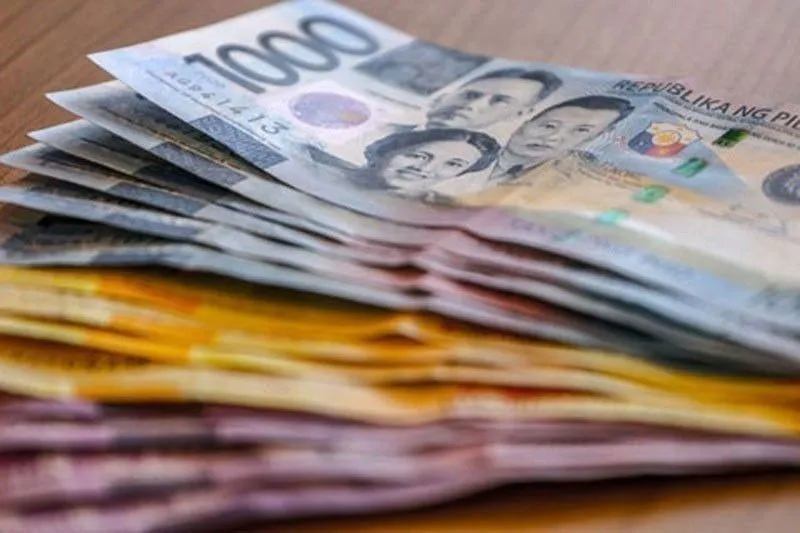
Government debt in the Philippines amounted to 66.9 per cent of gross domestic product at September’s close, Treasury figures showed, marking a 22-year peak. The last higher reading was 71.6 per cent in 2004.
The ratio had been 66 per cent in June and 63.2 per cent at the end of 2025. In cash terms, government obligations totalled a record ₱19.66 trillion in September, against June’s ₱19.07 trillion and ₱17.71 trillion at the close of 2025. Domestic borrowing made up 67.4 per cent, equivalent to ₱13.25 trillion; external debt represented 32.6 per cent, or ₱6.41 trillion.
Separately, Philippine Statistics Authority figures put third-quarter economic growth at 2.1 per cent, following a revised 2.4 per cent for the preceding quarter. Philippine Institute for Development Studies senior research fellow John Paolo Rivera said sluggish expansion was complicating efforts to stabilise debt, while mounting servicing requirements could restrict fiscal flexibility.
Rivera said a 70 per cent ratio by year-end was possible, but not inevitable. Fourth-quarter growth, additional borrowing and currency movements would influence the outcome, he said. He also said debt sustainability depended on growth, revenues and borrowing costs rather than a single threshold signalling a fiscal crisis.
The Marcos administration’s projections in the Philippine Development Plan 2023-2029 Midterm Update put the ratio at 60 to 63 per cent for 2026, followed by 59 to 62 per cent for 2027 and 58 to 61 per cent for 2028.