Indonesia
Indonesia reviews export barriers and prepares import facilitation policy
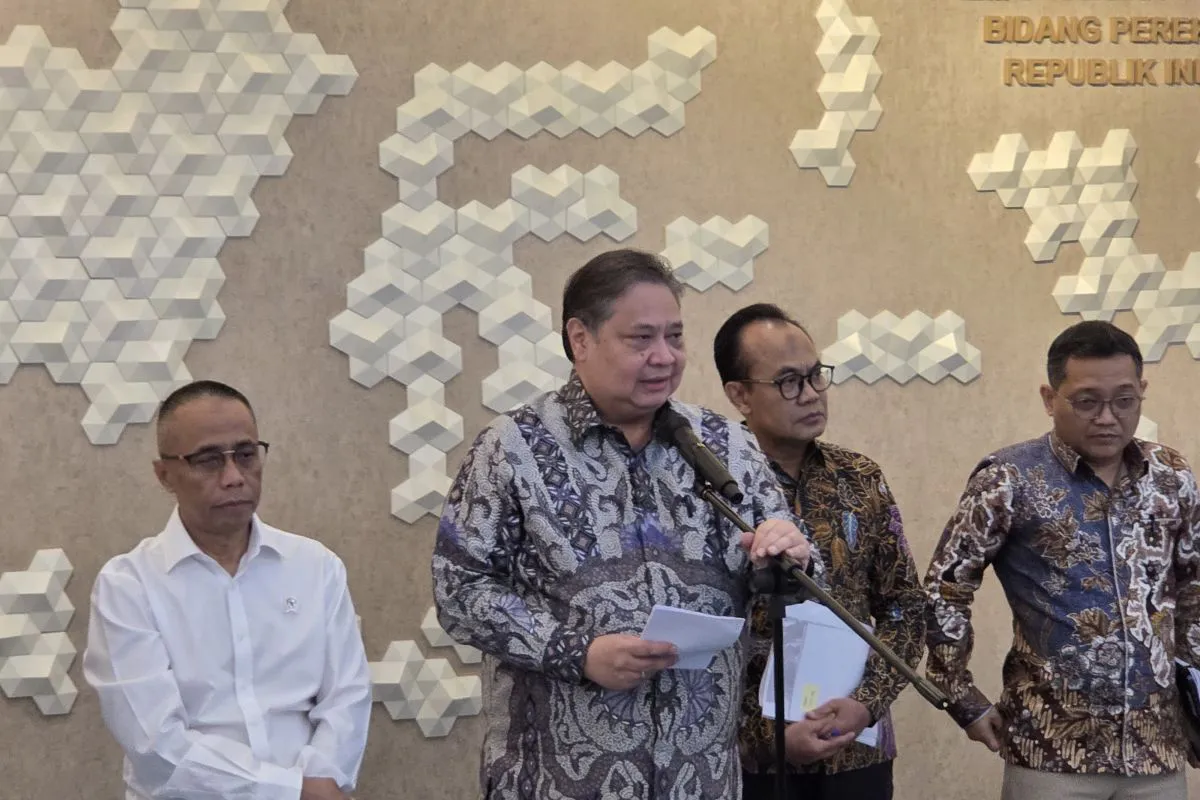
The government is targeting 5.4 per cent economic growth in 2026 and has prepared Rp31 trillion in incentives to support purchasing power.
Trade & Policy stories about Indonesia. Trade deals, tariffs, investment rules and regulation.
Page 6 of 18
The government is targeting 5.4 per cent economic growth in 2026 and has prepared Rp31 trillion in incentives to support purchasing power.
The proposed pact would liberalise approximately 98 per cent of tariff lines, covering 99.5 per cent of bilateral imports by value.
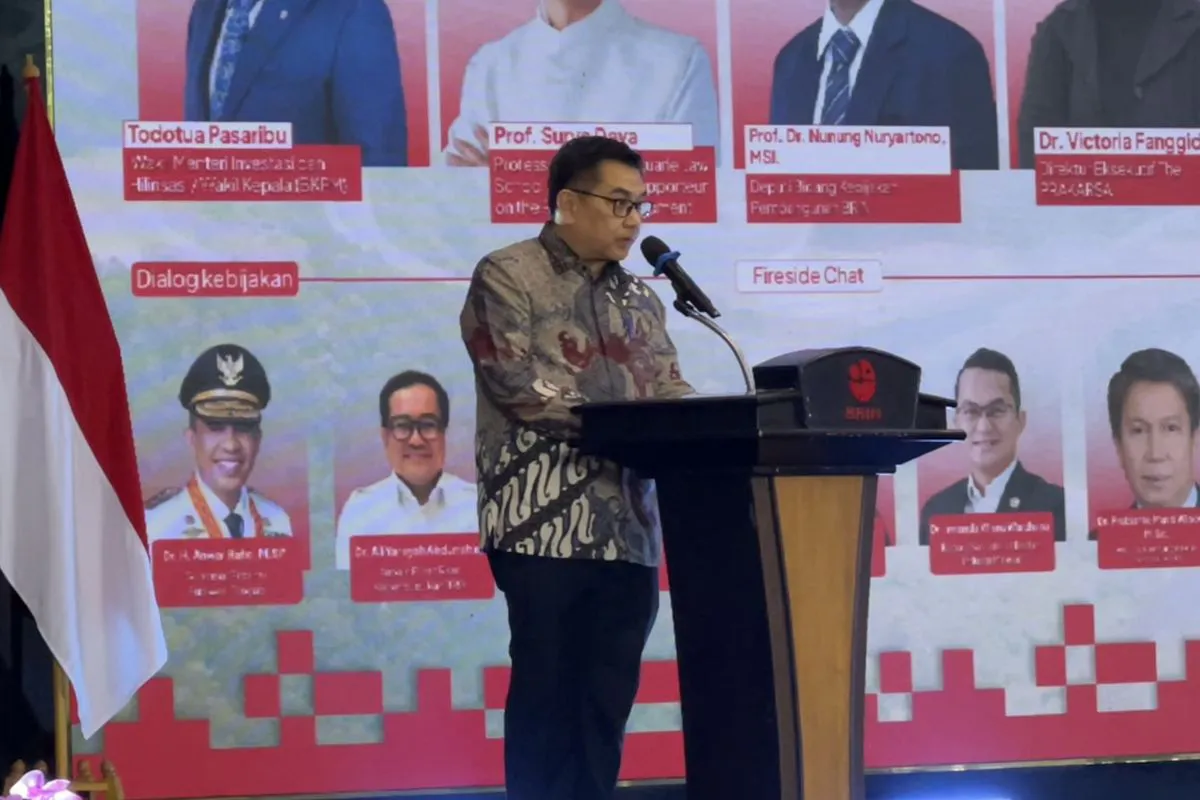
BKPM wants processing to move beyond tin solder, with chemicals supplying bottle manufacturing and other industrial uses.
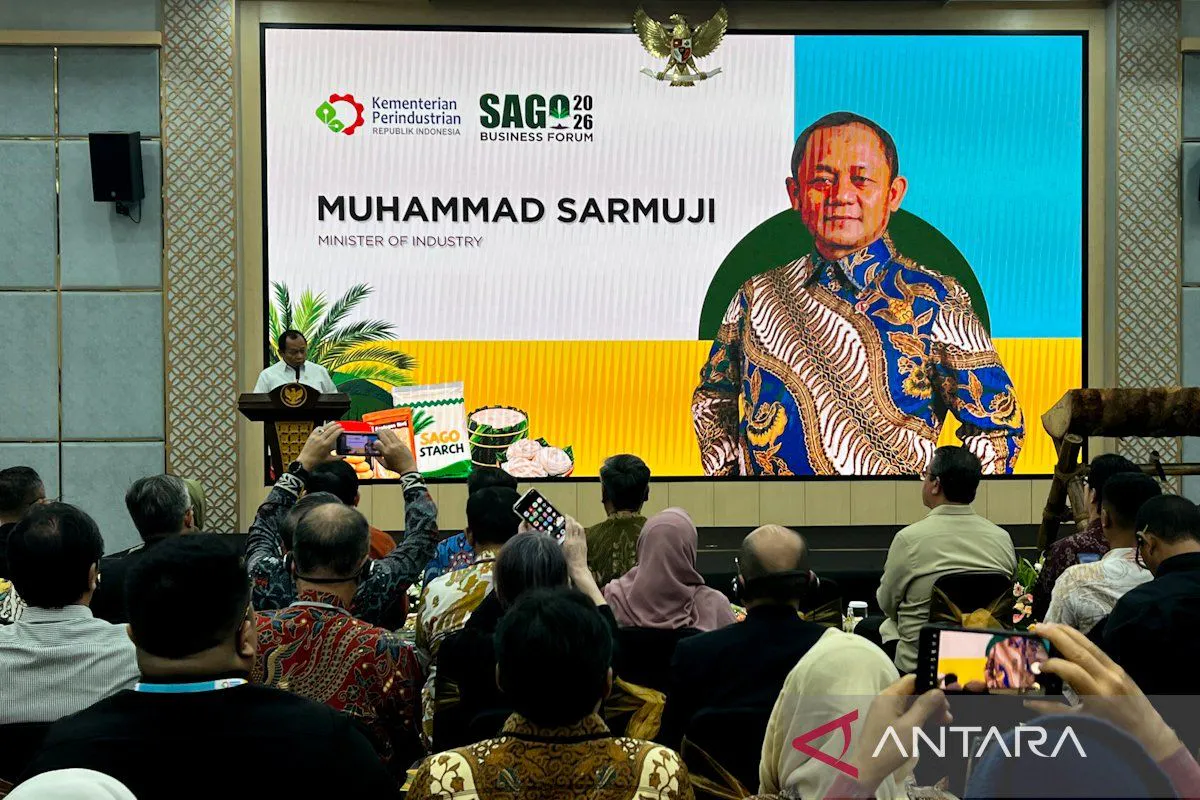
Indonesia's share of Japan's sago starch market rose from 2 per cent in 2021 to 14 per cent in 2025, its industry minister said.
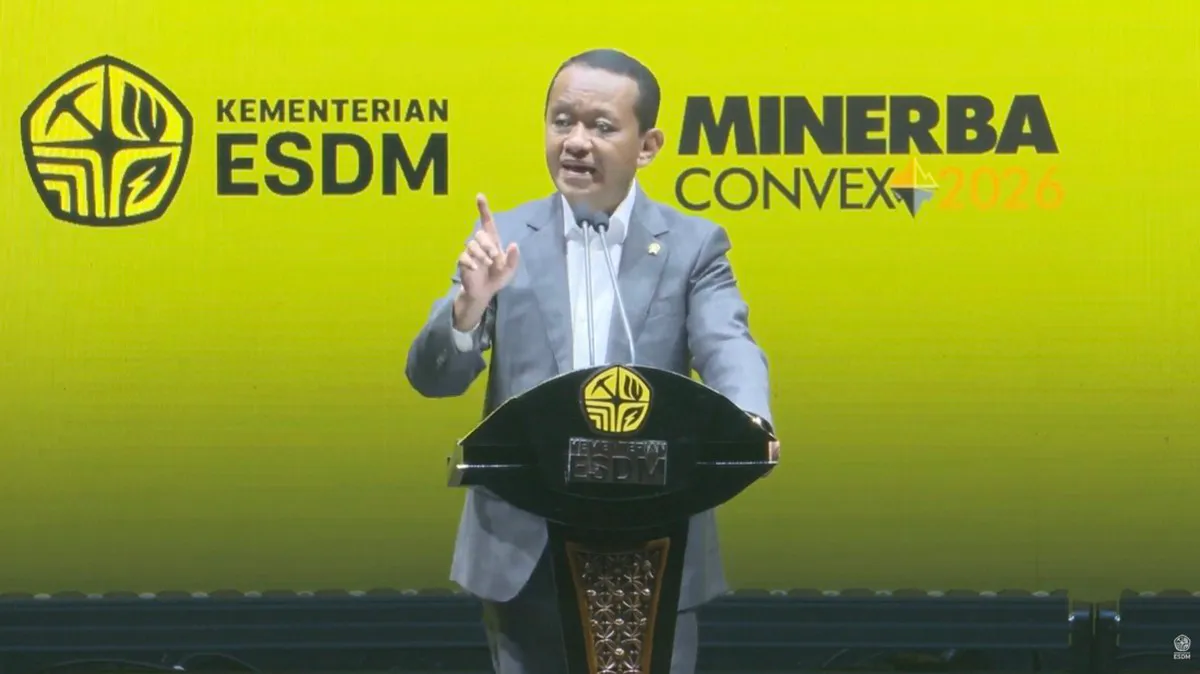
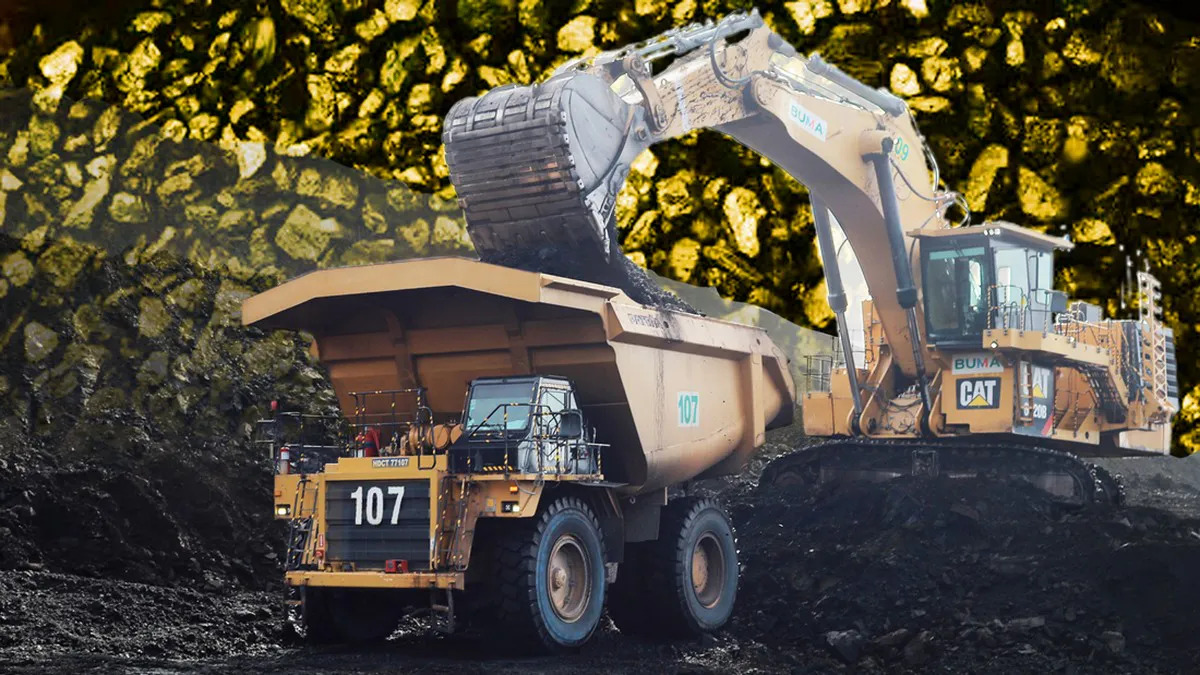
Energy Minister Bahlil Lahadalia cited a global supply surplus of nearly 800,000 tonnes as he called on miners to limit production.
A senior fiscal policy analyst said the incentive was incompatible with the global minimum tax, though existing recipients could retain their benefits until expiry.
The two countries discussed raising bilateral trade to US$10 billion and creating a council to strengthen business ties.
SUSTAIN estimates the levy could generate Rp97.40 trillion annually, based on export volumes, coal prices and an assumed exchange rate.
Parliament is working on three bills, while Indonesia targets a 70 per cent share for new and renewable energy in its national energy mix by 2045.
The Jakarta-based centre cannot begin operating until six ASEAN members submit ratification instruments; only Vietnam has done so.