Indonesia
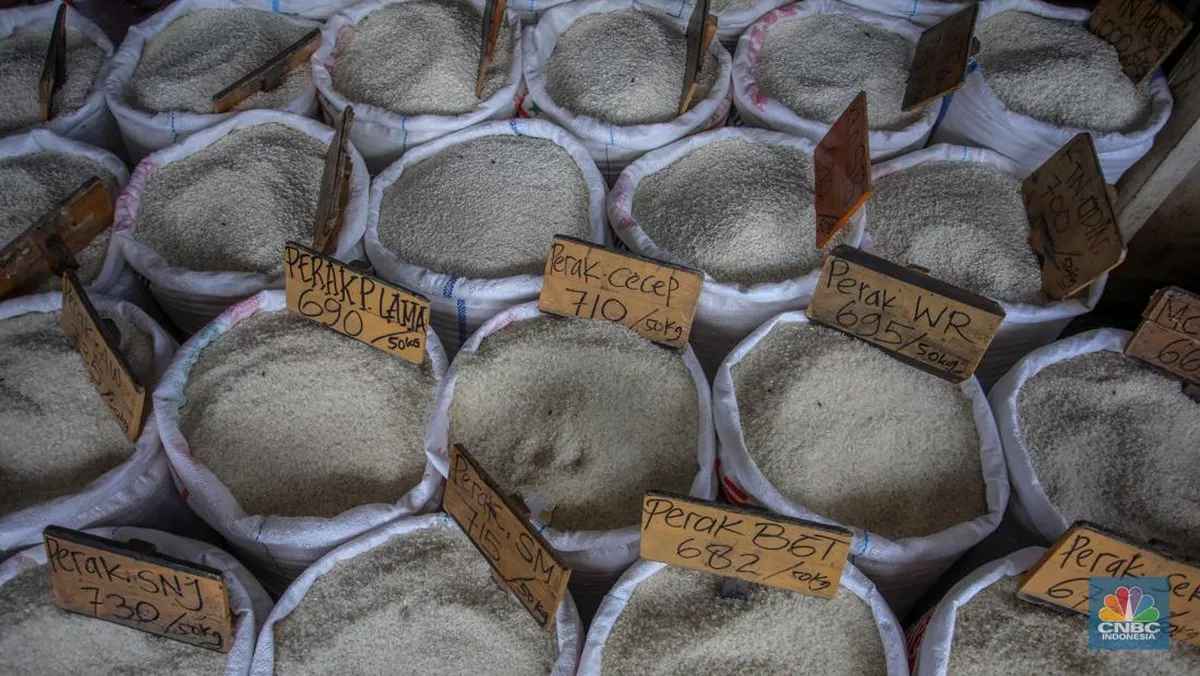
Indonesia’s rice prices rise across distribution chain in October
The National Food Agency linked the increases to seasonally lower production and said Bulog was distributing rice to stabilise supplies and prices.
Economy stories about Indonesia. Growth, prices, jobs, central banks and budgets.
Page 10 of 24
The National Food Agency linked the increases to seasonally lower production and said Bulog was distributing rice to stabilise supplies and prices.
Governor Pramono Anung Wibowo says investment should support jobs, technology transfer and smaller businesses as Jakarta pursues its 2045 global-city goal.
Collections reached Rp141.94 trillion by October 31, exceeding the official full-year target of Rp134.05 trillion.
September’s trade surplus reached US$3.36 billion, while October inflation remained within the national target range.
Non-oil and gas trade produced a US$34.21 billion surplus, outweighing a US$23.60 billion deficit in oil and gas, according to Statistics Indonesia.
Annual inflation reached 3.23 per cent, while the government is preparing around Rp30 trillion in social assistance and discounts for the year-end holidays.
New orders grew at their fastest pace in five years, while export order growth reached its strongest level since the survey began in April 2011.
No new threshold or implementation date has been announced. The current exemption is Rp54 million a year, equivalent to Rp4.5 million a month.
A US$5.67 billion non-oil and gas surplus outweighed a US$2.31 billion deficit in oil and gas trade, BPS said.
E-commerce remained the largest contributor among the digital sectors reported, with Rp45.21 trillion in cumulative tax receipts.