Vietnam targets at least 10% growth in 2027 amid inflation concerns
An IMF mission sees favourable growth prospects but urges cautious monetary policy and readiness to respond to rising price pressures.
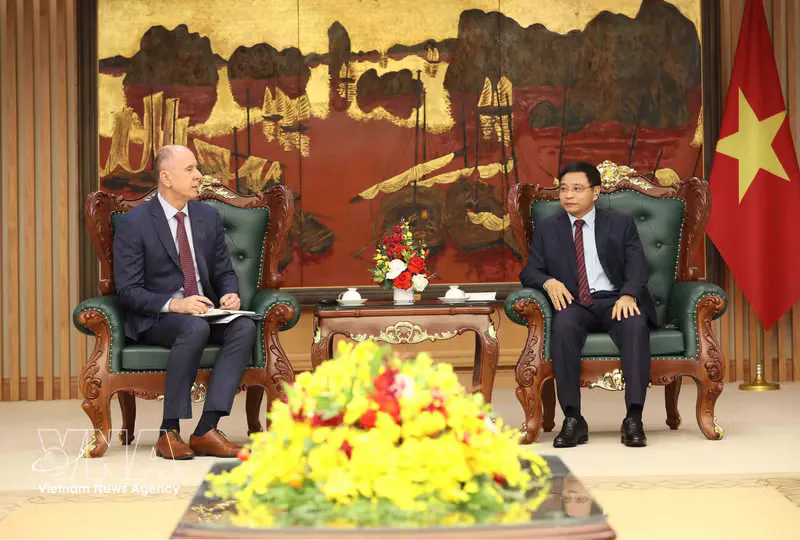
Vietnam has positive growth prospects but needs to manage monetary policy cautiously, IMF mission chief Martin Sommer told Deputy Prime Minister Nguyen Van Thang during talks in Hanoi on November 13. Sommer said inflation risks remained under control, although several factors could increase price pressures.
The National Assembly’s 2027 socio-economic development plan, adopted on November 7, sets targets of at least 10% GDP growth, GDP per capita of around US$6,100 and inflation of about 4.5%. It also seeks total social investment equivalent to 36-38% of GDP.
Thang said meeting those goals would demand substantial reforms, productivity improvements and better allocation of resources. He stressed that the government would not put macroeconomic stability or the safety of the financial and banking systems at risk to pursue unsustainable short-term growth.
Sommer, who leads the IMF’s Article IV consultation mission to Vietnam, welcomed government efforts on economic stability and structural reform, particularly social welfare. He urged policymakers to remain flexible and vigilant in 2027, adding that the IMF was ready to offer advice and coordinate with the Ministry of Finance and the State Bank of Vietnam.
Thang acknowledged IMF concerns that geopolitical tensions, especially in the Middle East, could cause energy shocks and push up imported inflation. He said the government was using regulated market-based fuel pricing, stabilisation measures, tax and fee policies and targeted fiscal support, while diversifying energy supplies and promoting efficiency.