Vietnam seeks marine training reforms as skills shortages persist
Marine-related admissions reached 5,153 successful applicants in 2026, but officials say training remains too limited and poorly matched to employers’ needs.
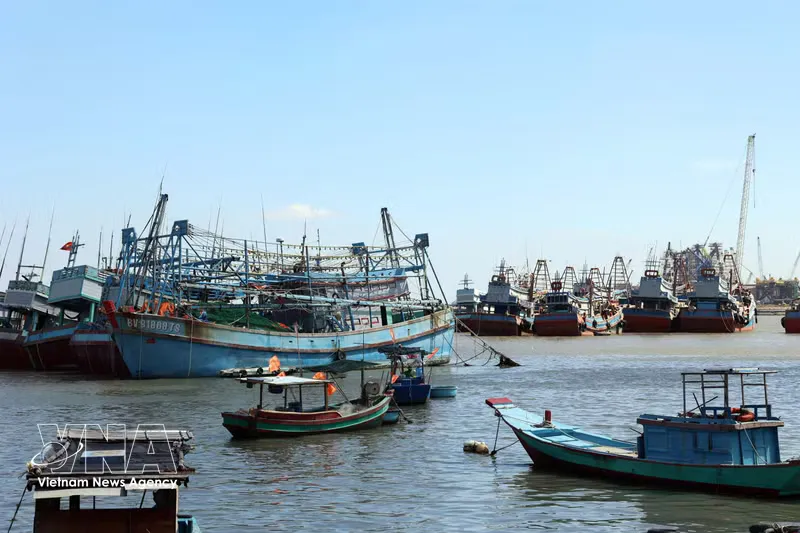
Vietnam’s education ministry has proposed broadening marine workforce training to combine technical subjects with artificial intelligence, languages and law, as officials identify shortages of specialist workers in coastal industries. Its proposals also include allowing institutions to share costly research and training equipment.
Nguyen Tien Thao, director general of the Higher Education Department at the Ministry of Education and Training, said marine-related courses were available at 13 institutions. Admissions in 2026 spanned 44 disciplines, up 18.9% from 2025, with successful applicants rising 16.1% to 5,153. He said provision remained limited.
A recruitment obstacle has also emerged at Hanoi University of Natural Resources and Environment. Its marine resource management pilot, introduced in 2013, enrolled around 50–62 students per cohort. Differences between official discipline classifications and the specialisations and codes used in public-sector recruitment have impeded graduates seeking government jobs involving seas and islands.
In Quang Ninh, local official Vu Nam Phong identified gaps in logistics, data management and marine digital skills. Tourism businesses need more senior managers and workers proficient in foreign languages, while maritime services lack specialists to maintain ship machinery and inspect hulls underwater.
Science and Technology Minister Vu Hai Quan said training should respond to market needs, with graduates’ job prospects and professional abilities used to judge results. Phong urged employers to help determine staffing requirements, shape courses and organise practical instruction and recruitment.
In Ca Mau, provincial agriculture and environment deputy director Pham Van Muoi called for expanded short courses, workplace instruction and retraining. He said many coastal workers depended on experience but had limited access to technology, digital skills and modern production management.