Vietnam approves two more paid public holidays
July 27 and November 24 will join the holiday calendar under Labour Code changes backed by 461 of the 463 deputies present.
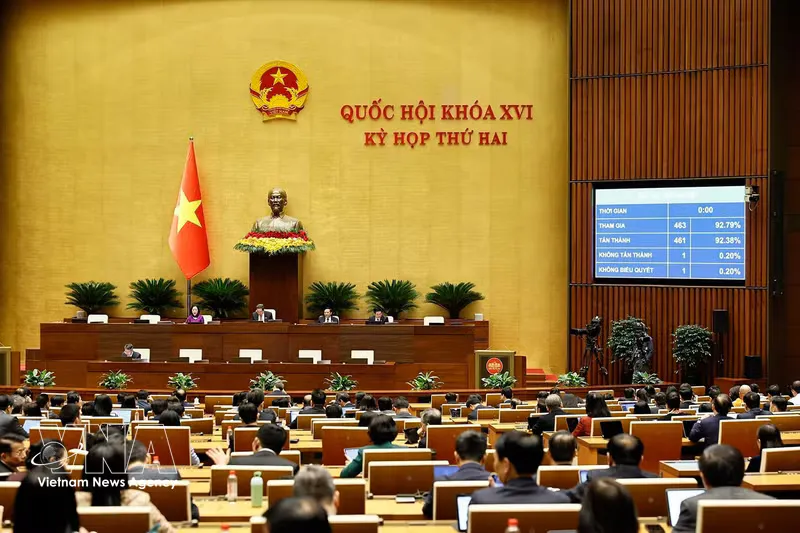
Vietnam’s National Assembly approved legislation on November 21 adding two paid holidays for workers: War Invalids and Martyrs' Day on July 27 and Vietnam Culture Day on November 24. The holiday provisions formed part of a package amending five laws.
The package received support from 461 of the 463 deputies present. Besides the Labour Code, it revises laws governing archives, gender equality, Red Cross activities and employment.
Labour outsourcing businesses will no longer need licences under the revised rules. They will instead have to lodge deposits and notify the relevant authorities. Companies using outsourced staff must monitor providers’ obligations to employees and, where providers fail to fulfil them, require payment of workers’ full wages.
Employment services offered through e-commerce platforms must be run by licensed employment-service businesses and meet e-commerce and personal-data protection rules. The Ministry of Home Affairs will also become the government’s lead agency for managing gender equality.
In a separate vote, all 468 participating deputies backed changes to occupational safety and hygiene legislation. The provisions give workers a direct route to report workplace accidents to authorities or trade unions and prohibit threats or obstruction intended to prevent reporting or the handling of occupational accidents and diseases.
The assembly also unanimously approved social insurance amendments setting investment safeguards for the Social Insurance Fund. These require transparency, protection of capital and risk controls, and bar investments in commercial banks placed under special control. The government will set criteria for selecting and monitoring investments, alongside a timetable for diversification.
The social insurance changes do not widen compulsory coverage or supplementary pension insurance participation at this stage. They also address late or evaded contributions and clarify employers’ and insurance agencies’ responsibilities when contribution or benefit-processing delays affect workers’ entitlements.