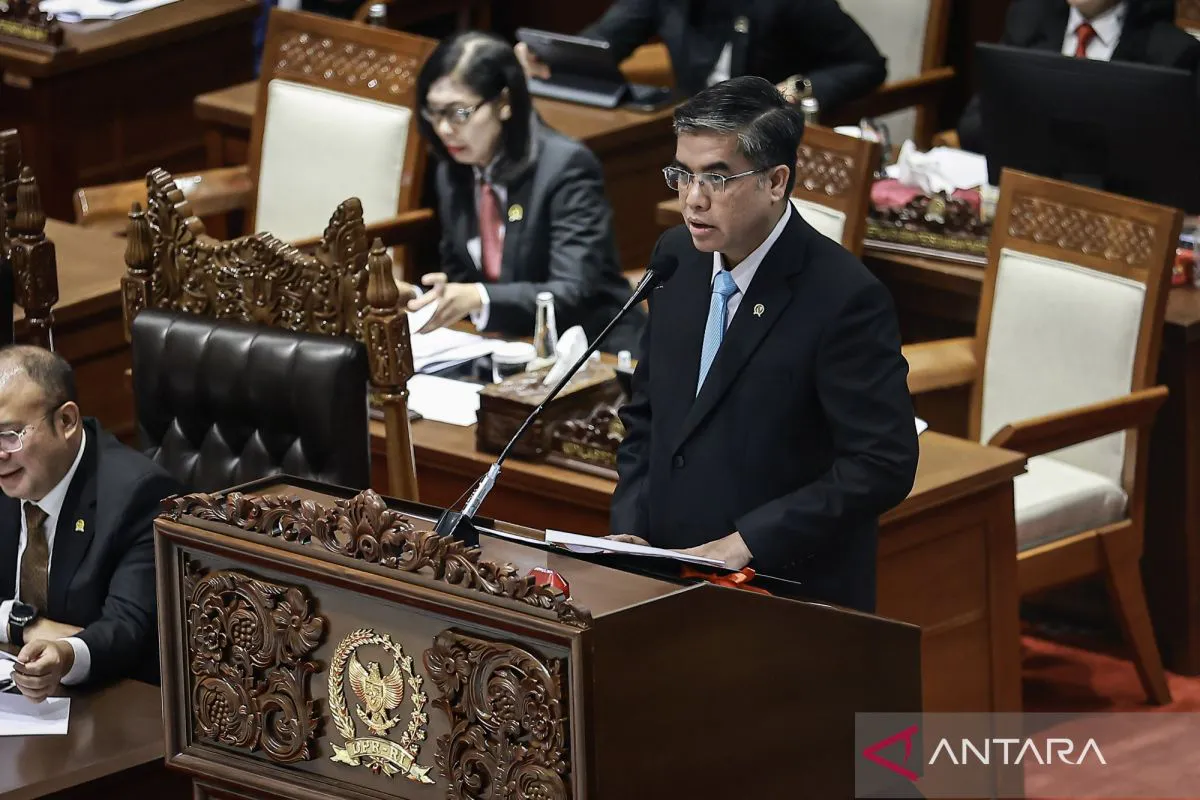
Vietnam sets 2027 budget deficit at 4.5% of GDP
The National Assembly approved wider use of salary reform reserves for welfare, alongside cuts to public investment and recurrent expenditure.

Vietnam’s National Assembly has adopted its 2027 budget resolution, setting the deficit at ₫739.597 trillion, or 4.5% of GDP. It won backing from 471 deputies, accounting for 94.2% of the assembly.
The revenue targets are nearly ₫1.776 quadrillion for the central budget and nearly ₫1.559 quadrillion for local budgets. Planned expenditure exceeds ₫2.364 quadrillion at central level and is about ₫1.709 quadrillion locally. Estimated state borrowing amounts to nearly ₫1.28 quadrillion.
The resolution permits accumulated salary reform funding to pay for adjustments to salaries and allowances, pensions, social insurance benefits, preferential policies benefiting people with meritorious service, and workforce streamlining. Central reserves can support these purposes, while unused local funds can also cover welfare policies issued centrally and personnel streamlining.
Public investment expenditure must be reduced by 5% to finance urgent and key projects. Recurrent spending faces a 10% cut, with salaries and personnel costs exempt, to release more funding for welfare. Any new spending policy must have an identified funding source.
Investment funding will shift away from delayed projects towards those short of financing but ready to proceed and disburse money. New projects will require careful assessment to limit fragmented and inefficient investment.
The revenue goal is around 9.1% above the estimated 2026 outturn. Authorities are required to step up efforts against tax evasion, transfer pricing and revenue leakage, collect tax arrears and widen revenue sources, notably in digital platforms, e-commerce and mineral extraction.
According to the Government, about ₫720.5 trillion in public investment was disbursed during the first 10 months of 2026, reaching 72.1% of the annual plan. That represented year-on-year increases of 21 percentage points and ₫229.4 trillion.