World Bank sets out three priorities for Timor-Leste’s 2027 budget
The recommendations cover economic stability, spending efficiency and financing options to ease pressure on the Petroleum Fund.
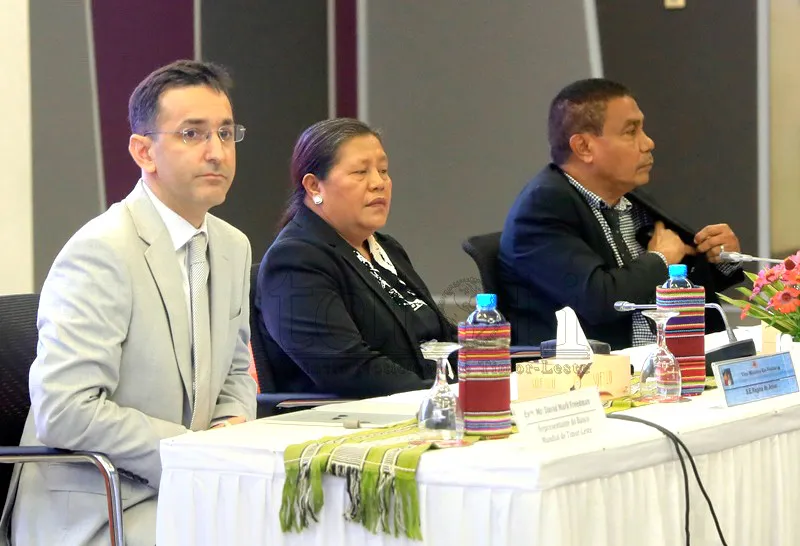
Timor-Leste should strengthen its commitment to macroeconomic stability, make public spending more effective and diversify development financing as it implements its proposed $2,568,500,000 budget for 2027, the World Bank has recommended.
Presenting the recommendations on 20 October 2026, the bank’s representative in Timor-Leste, David Freedman, endorsed the budget proposal’s assessment that Petroleum Fund resources could be exhausted in 2039. That projection assumes no development of new oil or gas fields and public expenditure continuing along its projected path.
Freedman said the bank was not calling for rapid or sharp expenditure cuts. Instead, he urged the government to make a credible commitment to maintaining economic stability should new oil or gas projects face delays. Adjusting fiscal policy could help retain reserves in the fund and allow development to continue, he said.
On expenditure, Freedman said the bank’s analysis showed that public spending could deliver better outcomes without increasing its overall level, and potentially while reducing it. Achieving that would require political commitment over successive years, alongside innovation and reforms in spending management and implementation.
Freedman said the Petroleum Fund had financed most government expenditure for several years. Increasing domestic revenue and finding other financing sources could reduce that reliance, while low-interest borrowing from international agencies or partners could help preserve reserves.
The bank also recommended examining public-private partnerships with state-budget guarantees as a way to attract private investment. Freedman emphasised that loans, public debt, partnerships and guarantees would need to be subject to strong risk management.