Timor-Leste reports lower poverty but widening inequality
The 2024 survey put rural poverty at 45.5% and urban poverty at 18.4%, highlighting uneven access to economic opportunities.
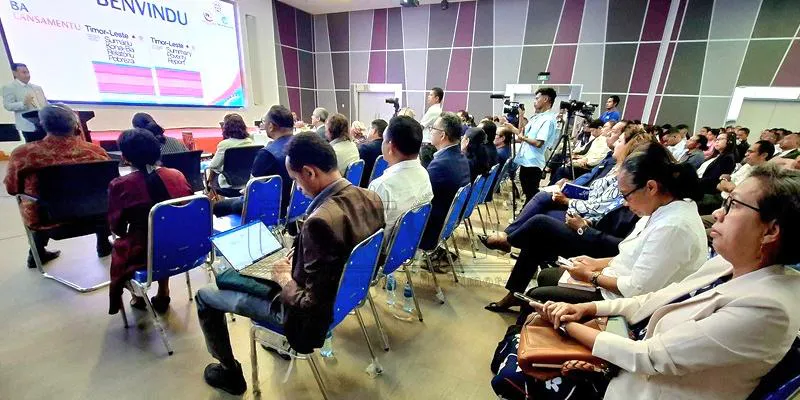
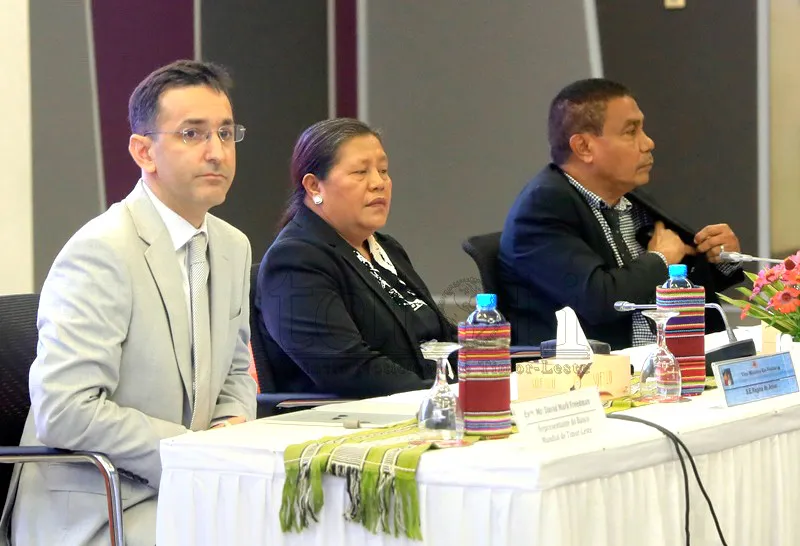
Poverty affected 37% of Timor-Leste’s population in 2024, compared with a methodologically comparable rate of 48.4% in 2014, government figures show. The Ministry of Finance unveiled the findings on 20 October 2026 through the National Institute of Statistics of Timor-Leste (INETL).
INETL president Elias dos Santos Ferreira explained that using comparable methods puts the decline at 11.4 percentage points. Comparing the estimates directly gives a reduction of 4.8%, because the methodology changed for the 2024 survey.
The institute surveyed 7,424 households from April to October 2024 for the Timor-Leste Survey of Living Standards. Its sample was designed to represent residents nationally and at municipal level.
Alongside the poverty reduction, the findings showed greater economic inequality. The Gini coefficient reached 0.36 in 2024, up 0.05 points from 2014. On this measure, 0 signifies perfect equality and 1 signifies perfect inequality.
Households had better access to electricity and safe drinking water, while home ownership also improved, according to the findings. Illiteracy fell, and fewer families reported that their children had left school. Housing, sanitation, clean energy, education and health remained areas requiring improvement.
Vice-Minister of Finance Regina de Jesus said basic needs remained difficult for many families to meet. She urged continued attention to rural communities, including better infrastructure, basic services and access to economic opportunities.
Timor-Leste’s government and the World Bank Group will work together to examine the main drivers of poverty and identify priority measures. Household-level survey data will be made available to researchers and policymakers, subject to protections for respondents’ confidentiality and privacy.