Timor-Leste proposes US$5,627,784 for media programmes in 2027
Private media subsidies, journalist training and community information services are among the priorities outlined to parliament.
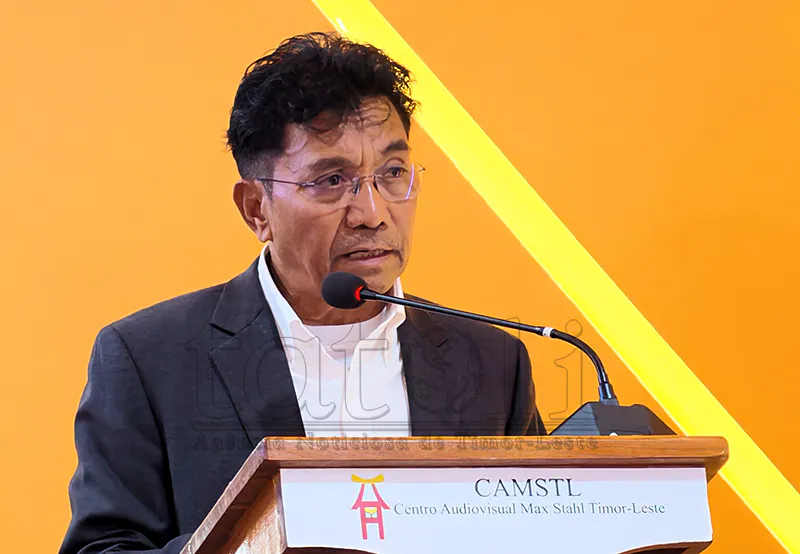
Timor-Leste’s Secretariat of State for Social Communication (SEKOMS) is seeking US$5,627,784 in the proposed 2027 state budget to fund three priority programmes, according to budget documents accessed by Tatoli.
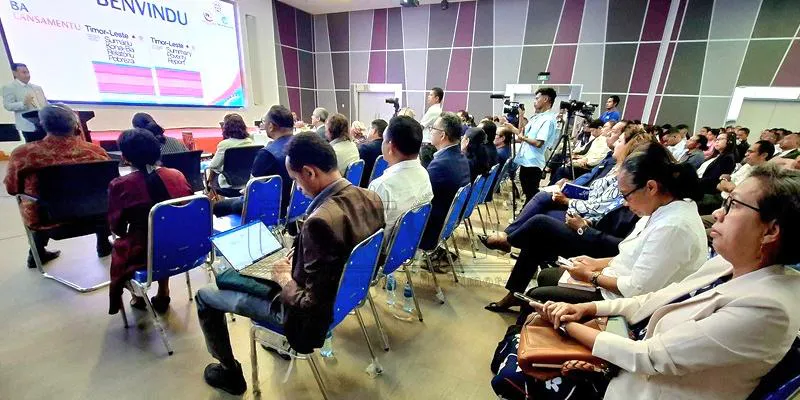
Addressing parliament’s Committee G, Secretary of State Expedito Dias Ximenes said continued support for private media outlets and digital platforms was a priority. He also outlined plans for journalist training and the development of community radio, village information centres, digital villages and digital wall newspapers.
Ximenes said public grants would not give the government a role in determining newsroom editorial policies. Lawmakers expressed concern about journalists’ welfare and lower proposed allocations for media institutions in 2027, while recognising their budget execution.
The three programmes address institutional operations and development, development of the social communication sector, and institutional communication systems. Activities include media regulation, strengthening and diversifying outlets, training journalists, disseminating public information and developing internal government communication.
The budget documents put proposed public transfers at US$3,251,440, salaries and remuneration at US$1,192,138, and goods and services at US$733,256. Separately, Tatoli’s proposed allocation is US$651,608, comprising US$451,126 for salaries and remuneration and US$200,482 for goods and services.
Committee G chair Armando Lopes called for wider reporting coverage in villages and rural areas, more journalist training and freedom for media outlets reporting on ministries.