Thailand to discuss pollution from Myanmar mines with China
A border inspection found further land clearance near waterways feeding the Sai River, while officials are investigating mineral trading links.
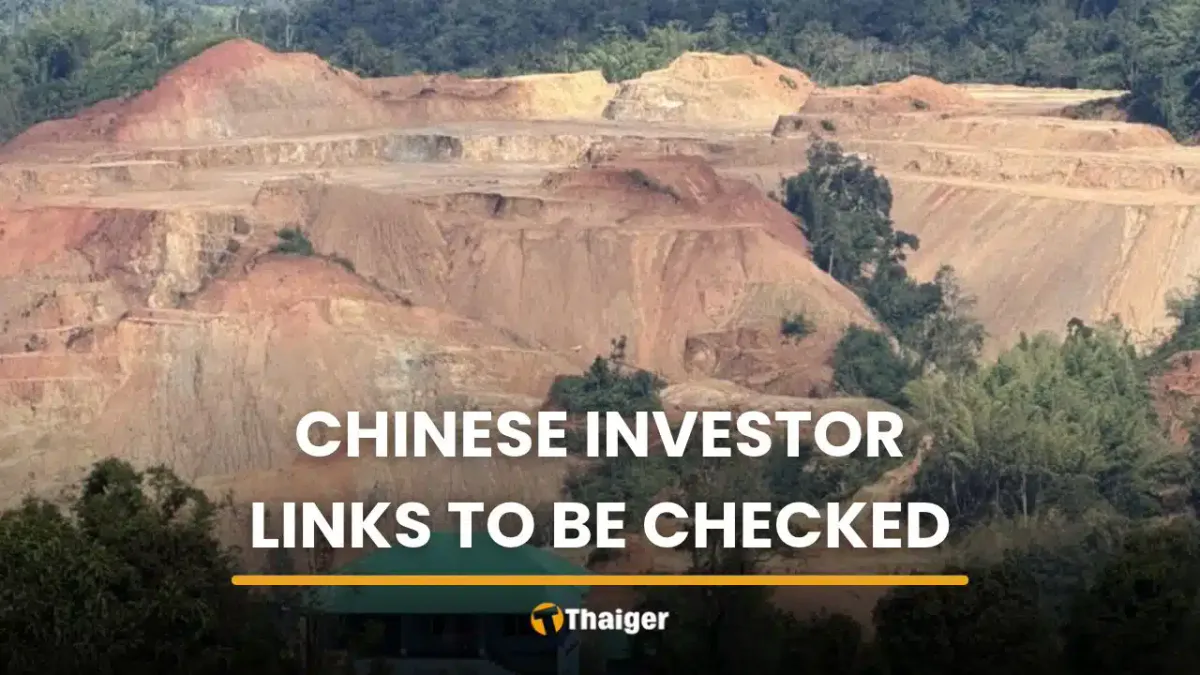
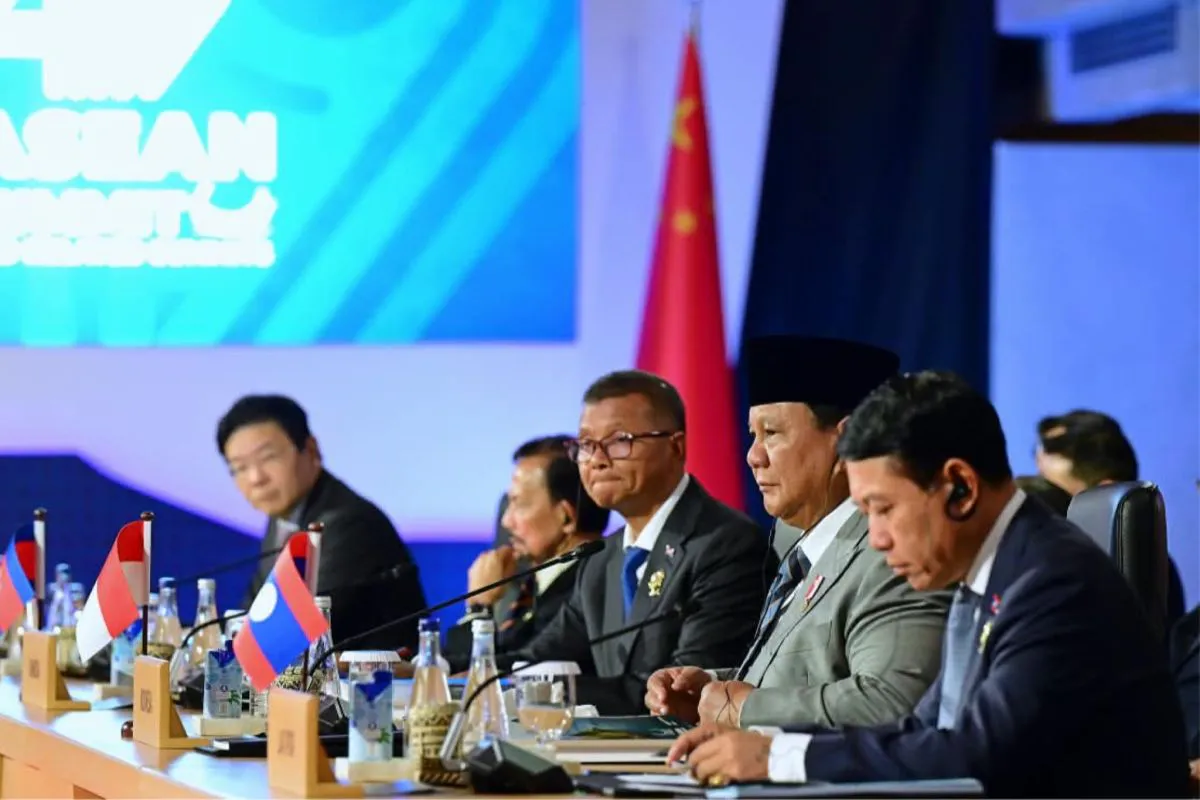
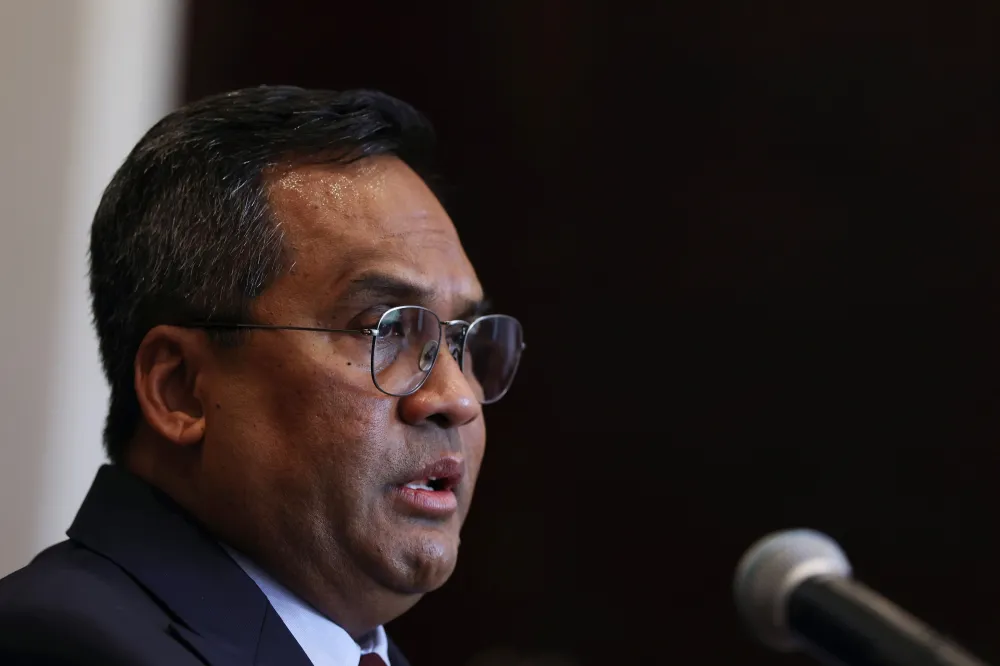
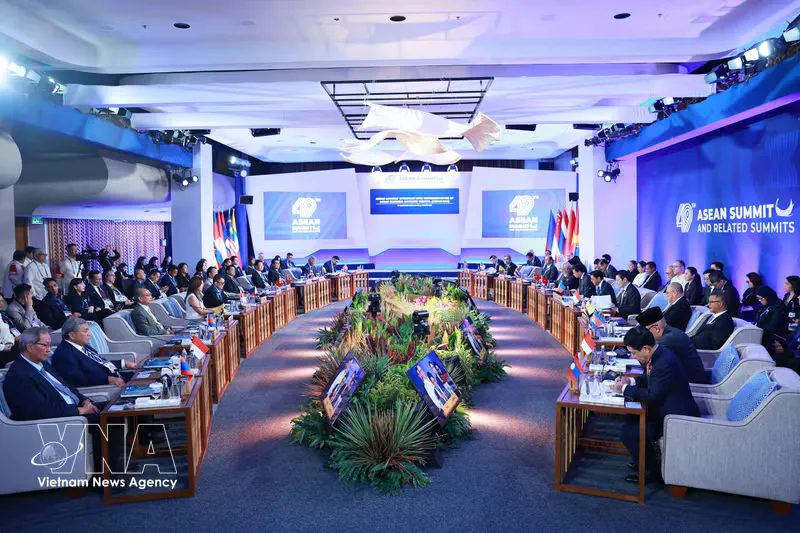
Pollution from mining operations in Myanmar will be on Thailand’s agenda for discussions with China on November 16–18, Deputy Interior Minister Jeset Thaiset said. The government intends to present findings gathered after concerns about expanding mines near tributaries of the Sai River.
On November 14, Jeset observed the Doi Ko Wan area in Shan State from Ban Phaya Phrai in Chiang Rai. According to The Nation, he identified at least 10 newly cleared locations around Doi Ko Wan and Mong Kan, estimating that the mines could become twice as large within a year.
Prime Minister Anutin Charnvirakul, also the interior minister, instructed officials to examine operators, processing plants, chemicals, ore movements into Thailand and any participation by Thai individuals or businesses. Jeset said Anutin had raised the problem with China’s premier; other countries sharing the river basin would be invited to participate.
Jeset said early information suggested that ore entering Thailand did not include gold or rare earths. Officials suspected those minerals were destined for other markets, particularly China. He urged joint supply-chain checks, citing information connecting Chinese investors with mines in neighbouring countries.
The Cabinet has considered checks on mineral importers as a way to apply pressure during negotiations. Jeset said decisions on legal action would need further evidence and consultation with China and Myanmar.
In a November 13 Facebook post, environmental and health academic Sonthi Kotchawat said more than 50 Thai companies purchased Myanmar ore and shipped it via Laem Chabang to China. He also put annual Thai exports of mining chemicals to Myanmar above US$100 million.
Jeset assured Mae Sai residents that tap water was safe. Arsenic contamination and cloudiness in the Sai River stopped treatment during November 5–8, disrupting supplies to 14 villages. Staff now conduct arsenic and cloudiness checks every 30 minutes on untreated and filtered water. He said household and agricultural water provision would be accelerated.