Thailand says US trade framework leaves import tariffs unchanged
Officials say any duty cuts require a final agreement, domestic legal procedures and a product-by-product timetable.
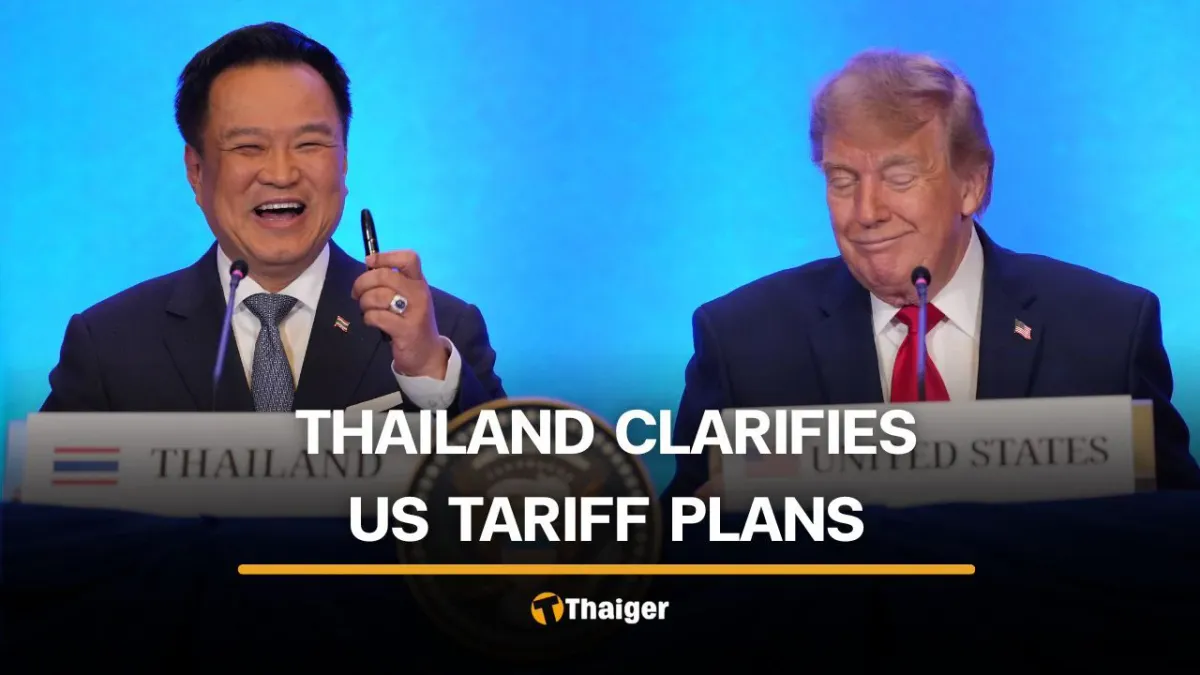
Thailand’s government has rejected suggestions that it has abolished duties on all American imports, saying existing tariffs remain unchanged despite a trade statement signed on November 17. The clarification followed US President Donald Trump’s announcement that American goods would gain duty-free entry.
Prime Minister Anutin Charnvirakul and Trump signed the joint statement concerning an Agreement on Reciprocal Trade in Manila, the Philippines, before the ASEAN–US Special Summit. Thai officials said it confirms the conclusion of substantive negotiations, but is not the definitive agreement. Drafting and legal review are still required.
Trump also said Thailand would lift non-tariff restrictions affecting US vehicles, medical devices, pharmaceuticals, ethanol and poultry, and buy more American agricultural goods. Those remarks prompted concerns among Thai farmers and producers about competition from imports.
Prime Minister’s Office spokesperson Ekkaphop Pianpises said the framework allows for quotas, appropriate duty rates and safeguards for some Thai products. The Commerce Ministry said tariff cuts cannot start until the legal text is finalised, the definitive deal is signed, Thailand completes parliamentary and constitutional requirements, and the agreement takes effect. Reductions would then follow schedules for individual products.
Deputy Prime Minister and Commerce Minister Suphajee Suthumpun said liberalisation would not remove restrictions across every sector. The proposed arrangements mainly concern goods Thailand does not make, produces in insufficient quantities, or needs for food and energy security, she said.
Suphajee said Thailand could use quotas, import-volume limits or additional support measures where imports risk harming domestic producers.