Thailand expects limited impact from US AI chip restrictions
The central bank says the effect depends on businesses explaining their investments and complying with US requirements.
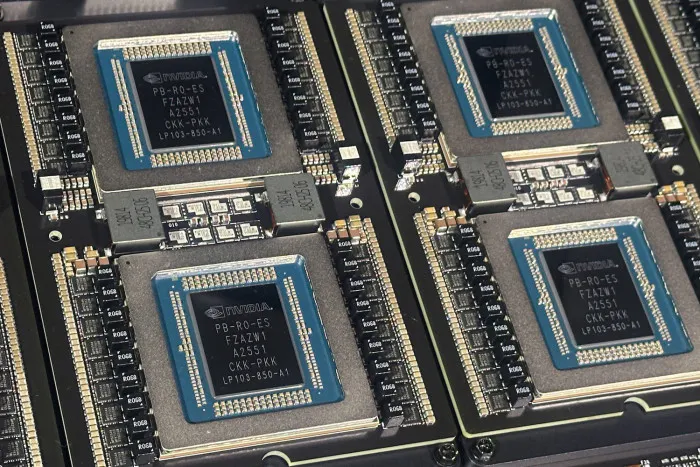
US restrictions on advanced AI chips should have a limited effect on Thailand provided businesses can explain their investments and satisfy US requirements, Bank of Thailand assistant governor Chayawadee Chai-anant said.
Chayawadee said the measures could affect future investment in Thai data centres, but the central bank had not completed its assessment. She noted that the restrictions did not amount to a complete ban. The bank will consult businesses about the rules before reaching a fuller assessment.
The US measures close a route through which Chinese companies could rent AI computing capacity from overseas data centres using American hardware barred from export to China. Under the new requirements, data centres worldwide must obtain a US licence before supplying large amounts of advanced-chip computing capacity to businesses headquartered in China, Macau or other countries subject to US embargoes.
Licences are also required for shipments of advanced chips to Thailand, Singapore, Malaysia, Indonesia and Brazil. The US Commerce Department considers those destinations to carry an elevated risk of diversion. As of February, Thailand had 42 data centres, with 3,400 megawatts of IT load and investment of about ฿750 billion.