Proposed Philippine bank capital reforms could raise buffers
Fitch expects a neutral ratings effect as lenders are likely to use the extra capital capacity to expand lending.
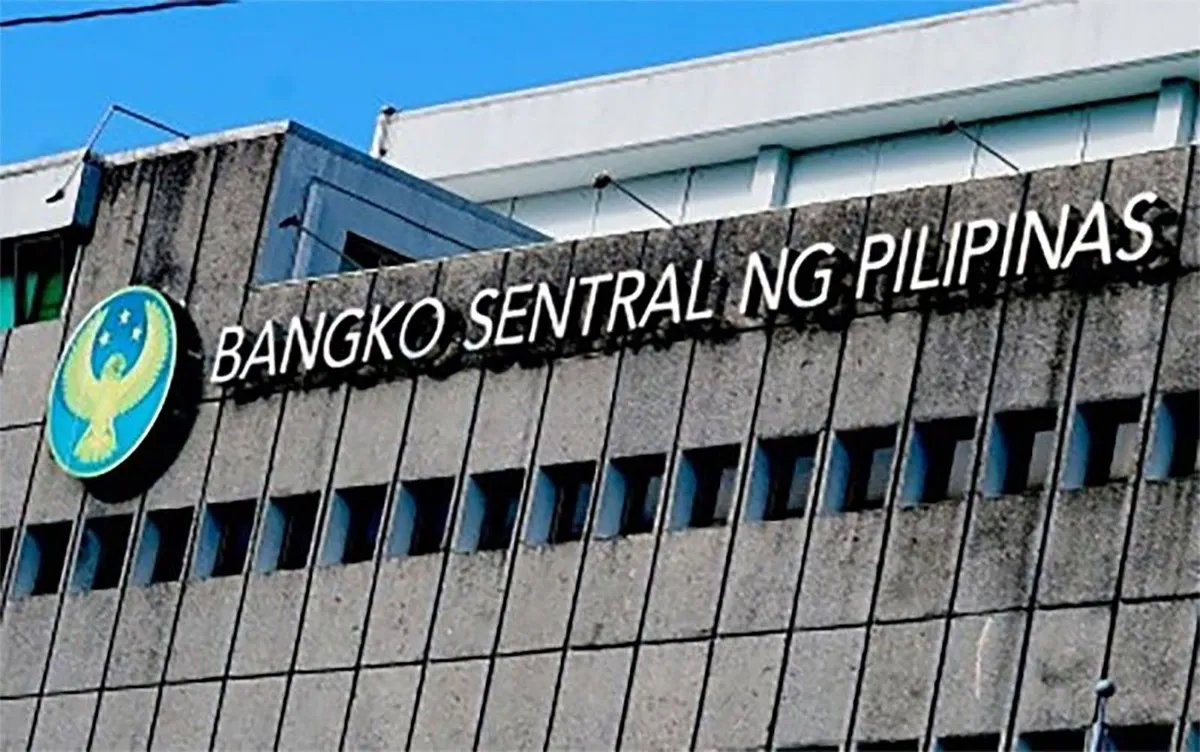
Proposed changes to Philippine banking regulations could lift rated private banks’ common equity Tier 1 ratios by up to 2.1 percentage points, according to Fitch Ratings. The Bangko Sentral ng Pilipinas proposals are still being consulted on, and no implementation date has been announced.
Fitch said most of the increase would come from reducing risk weights for retail borrowing other than mortgages, followed by property-related lending. Eligible consumer loans would receive weights of 45 per cent or 75 per cent, down from 100 per cent. Some housing, small-business and local government lending would also attract lower capital requirements.
The agency expects lenders to deploy the additional capacity rather than keep the entire capital benefit. It forecasts lending at rated private banks to grow by 12 to 13 per cent in 2027 as economic pressures ease. A stronger recovery could produce faster expansion, while higher dividends could also constrain retained capital.
Fitch cautioned that more lending could go towards unsecured consumer credit, especially credit cards and salary-based loans. Such borrowing expanded at a compound annual rate of 23 per cent between 2020 and the third quarter of 2026. At end-September, it represented 12 per cent of bank lending, the largest share among regional banking systems.
The agency expects no change to banks’ Viability Ratings from the reforms. However, substantially greater risk-taking and unsecured lending, combined with smaller loss-absorbing buffers, could put ratings under pressure.
For state-owned banks, Fitch estimated a potential capital-ratio increase of up to 2.9 percentage points, mainly from lower weights on local government loans. Their equity holdings in Maharlika Investment Corp., the sovereign wealth fund, continue to weigh on existing ratios, it said.