Indonesia steps up development of five halal industry clusters
A 2025–2029 roadmap guides the effort, while selected products and businesses have until October 17, 2028, to meet mandatory halal certification requirements.
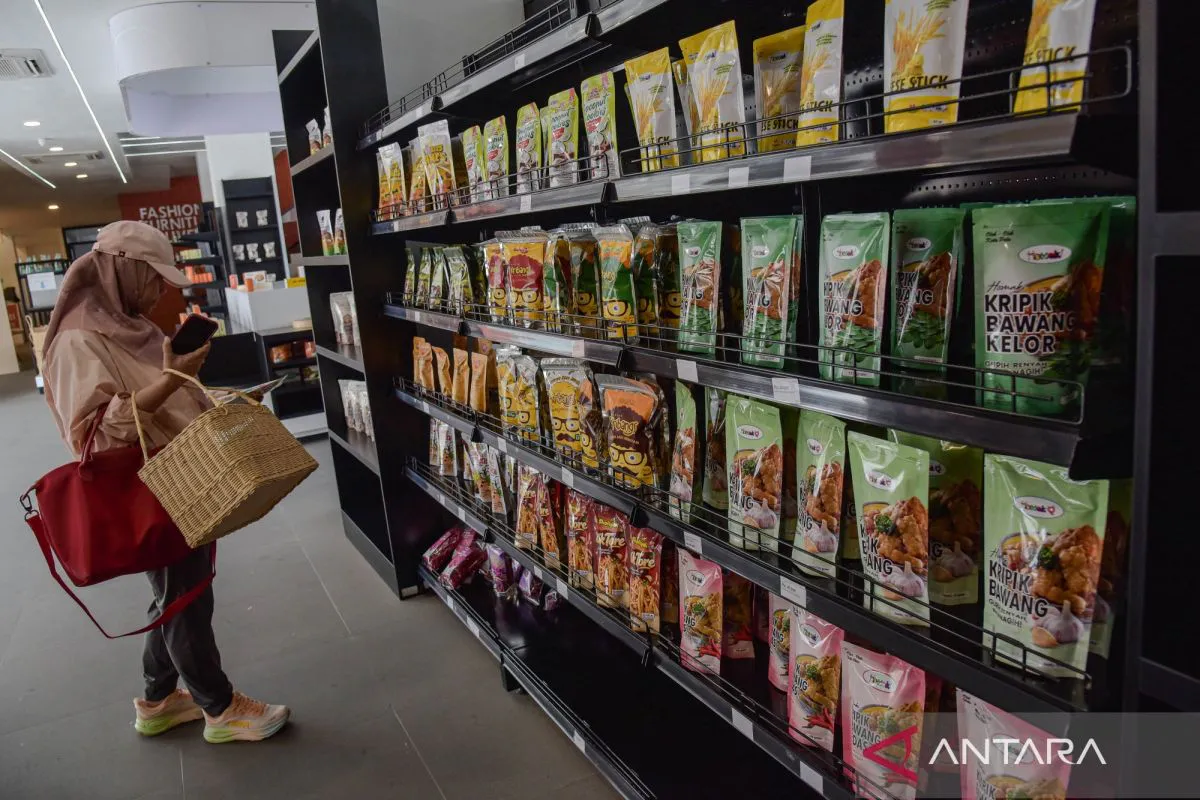
Indonesia is accelerating work on five halal industry clusters to expand its presence in international markets, the Ministry of Industry said in a statement on November 19. The programme covers sectors including food, clothing, pharmaceuticals and household goods.
Industry Minister Muhammad Sarmuji said the effort should reinforce Indonesia’s industrial base and use technology and innovation to improve quality and add value. Ministry of Industry Regulation No. 40/2025 sets out the halal industry roadmap for 2025–2029.
Officials cited estimated Muslim household consumption in Indonesia of Rp5,974.9 trillion during the first half of 2026. They also reported halal industrial exports of US$35.72 billion and imports of US$17.47 billion.
The State of the Global Islamic Economy Report 2025/2026 put worldwide Muslim spending across six Islamic economy sectors at US$2.6 trillion, with a projection of US$3.56 trillion by 2029. Indonesia placed fourth in the Global Islamic Economy Indicator, including first in modest fashion.
Emmy Suryandari, who heads the ministry’s Agency for Industrial Standardization and Policy, said development needed to address raw materials, workforce skills, standards and access to markets together.
Dewi Setiawati, head of the ministry’s Halal Industry Center, urged businesses to prepare for certification while improving capacity and quality. She said Government Regulation (PP) Number 40 of 2026 extended the certification phase-in period to October 17, 2028, for specified product categories and business entities.