Penang says RM8.4 billion water charge funds dedicated treatment plant
Annual capacity payments would begin when supply starts, with Perak bearing the plant’s construction and financing risks, a state official said.
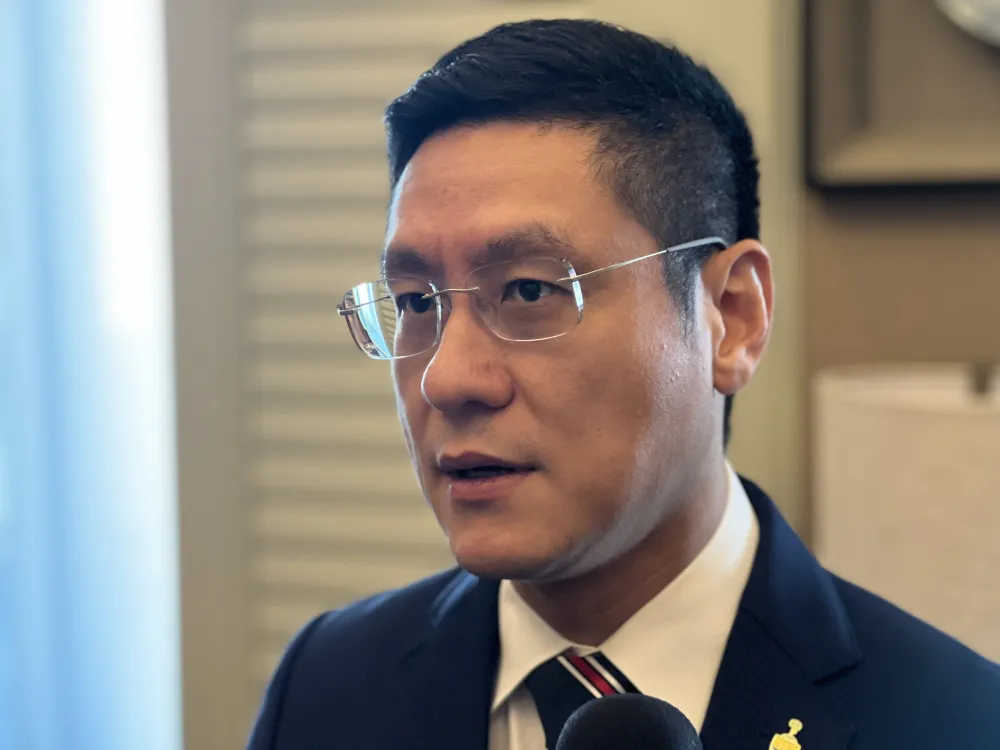
Penang’s RM8.4 billion capacity payment under a conditional water deal with Perak would fund a treatment plant exclusively serving the state, including financing and refurbishment over 40 years, state executive councillor Zairil Khir Johari said on November 12.
Zairil, who chairs the State Infrastructure, Transport and Digital Committee, put construction costs at RM3 billion. He said financial consultants had examined the RM8.4 billion figure during due diligence. Perak would carry the construction and financing risks and handle maintenance and upgrades.
The conditional agreement involves Perbadanan Bekalan Air Pulau Pinang Sdn Bhd (PBAPP) and Prasarana Air dan Irigasi Perak Sdn Bhd (PAIP). Zairil said it would supply Penang with between 300 and 500 million litres a day (MLD), continuing for 40 years and beyond.
Rather than providing capital upfront, PBAPP would start paying RM210 million annually when deliveries begin, he said. This capacity payment would reserve the plant for Penang. Separate supply charges, accounting for RM16.2 billion of projected payments totalling RM24.6 billion, would apply only to delivered water meeting agreed quality requirements.
Zairil said all PBA Holdings Bhd directors accepted the need to buy water, including five who dissented over payment provisions covering extended suspensions and Perak’s right to prioritise its own needs. He said Penang’s demand was forecast to exceed 1,100 MLD by 2032.
PAIP would owe damages for supply shortfalls, except where circumstances beyond its control, including severe drought, or Perak’s priority rights applied, he said.
A suspension exceeding three months without PBAPP being at fault could prompt renegotiation and mediation. Either party could end the deal if negotiations remained unsuccessful for another three months. PBAPP would then owe a lump sum covering outstanding capacity payments, discounted at four per cent annually. No further capacity payments would be due if PAIP’s licence went unrenewed without either party being at fault.