Laos leaves UN least-developed category amid debt pressures
The change follows improvements in income, health and education, while UN agencies warn of constraints on development spending and possible financing changes.
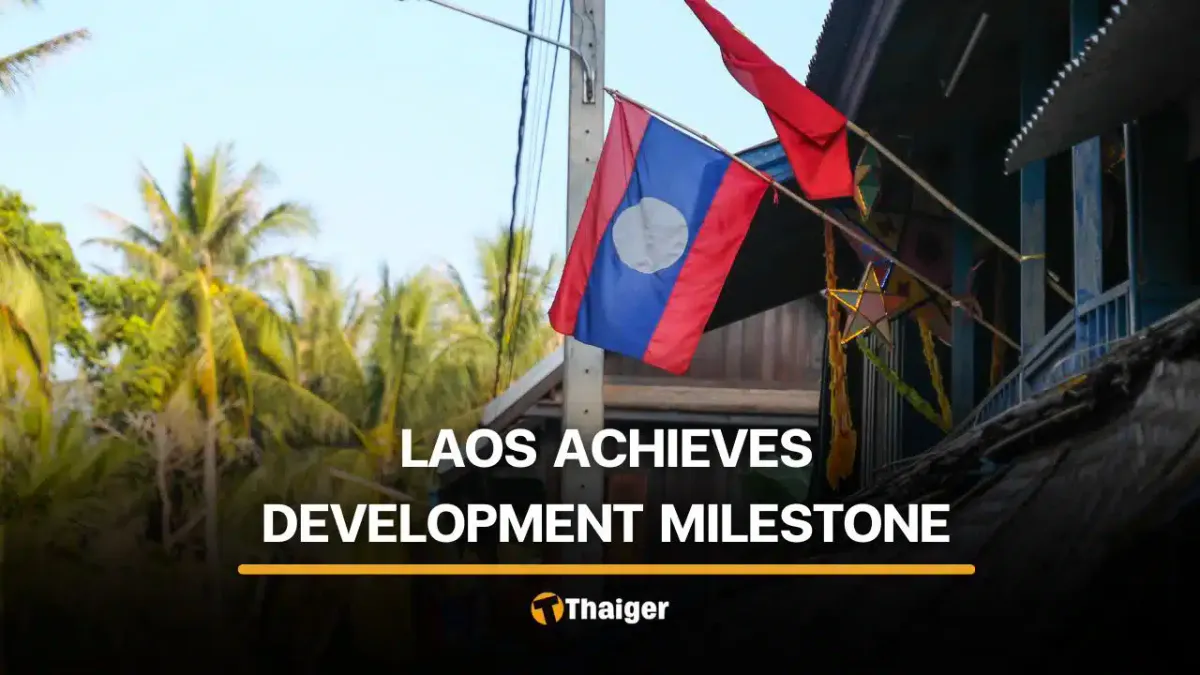
Laos graduated from the United Nations’ Least Developed Countries (LDCs) category on November 24, 2026, becoming Southeast Asia’s first country to do so and the ninth globally. Its departure followed an extended preparation period of five years granted by the UN General Assembly.
The country entered the category in 1971 and met all three graduation requirements at a review in 2018. These covered national income, human assets and economic vulnerability. UNCTAD, the UN trade and development body, linked the progress to higher incomes and improvements in healthcare and education.
Debt remains a constraint on government investment in development, UNCTAD warned. Its figures showed economic growth of 4.8 per cent in 2025, with annual inflation averaging 7.7 per cent. Public debt and borrowing guaranteed by the government reached approximately 87 per cent of GDP that year.
Interest payments took up 16 per cent of government spending in 2025. Healthcare and education together received 10 per cent.
Leaving the LDC category does not automatically remove eligibility for development assistance or concessional lending; arrangements differ by partner and programme. The United Nations Development Programme nevertheless warned of potentially less favourable concessional loan terms from Japan and South Korea, alongside possible loss of access to the LDC Fund.
UNCTAD urged Laos to improve natural-resource management and pursue industrial policy and structural reforms. It also recommended support for domestic suppliers, better financing access, assistance with export standards, and upgrades to logistics and digital infrastructure.