Lang Son proposes automated cargo pilot at China border
Vietnamese officials also sought road improvements at a crossing where trade has fallen more than 90% since mid-August 2026.
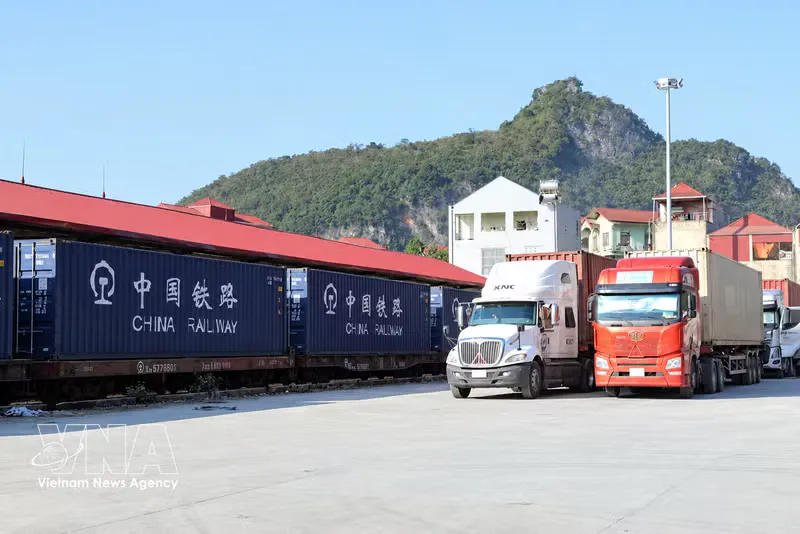
Vietnam’s Lang Son province proposed testing automated cargo transport and sought improvements to border clearance during October 19 talks with officials from Pingxiang in China’s Guangxi. The discussions at Tan Thanh – Po Chai covered trade bottlenecks and plans for smart border gates.
For the freight route between markers 1088/2 and 1089, Lang Son proposed using automated guided vehicles (AGVs) with trailers uncoupled and allowed to remain for a maximum of 48 hours. Initial cargo would comprise electronic components and full-container shipments. Both delegations will seek further regulations from their authorities to establish a legal basis for smart cross-border transport.
At Huu Nghi international border gate, the province aims to test intelligent guided vehicles (IGVs) at night in December 2026, subject to conditions being met. The proposed hours are 20:00 to 22:00. Vietnam asked Pingxiang to provide a dedicated lane, lighting and personnel to avoid disrupting normal clearance.
Lang Son also requested that Pingxiang widen the Chinese approach road to Coc Nam – Lung Nghiu from one lane to at least two. The Vietnamese delegation sought agreement on operating hours from 7:00 to 18:00, Hanoi time.
Trade at that crossing has fallen more than 90% since mid-August 2026, reportedly following changes to China’s vehicle size standards. Lang Son called for consideration of harmonised vehicle management standards to help businesses maintain imports and exports.
To make the smart border systems compatible, Lang Son urged investors and operators on both sides to coordinate technical standards, interfaces, logistics data exchange and management. Officials also discussed reopening and upgrading Binh Nghi – Ping Er Guan as a bilateral crossing, alongside expanding self-driving tourism.