Indonesia records US$14.10 billion in transactions under hedging incentives
The rupiah weakened to Rp18,245 per US dollar on November 17, while fourth-quarter capital flows remained positive overall.
Indonesia’s domestic market recorded US$14.10 billion in transactions under a strategic hedging incentive programme from June 2026 to November 17, according to Bank Indonesia. The central bank introduced the policy to develop money and foreign exchange markets and attract overseas portfolio capital.
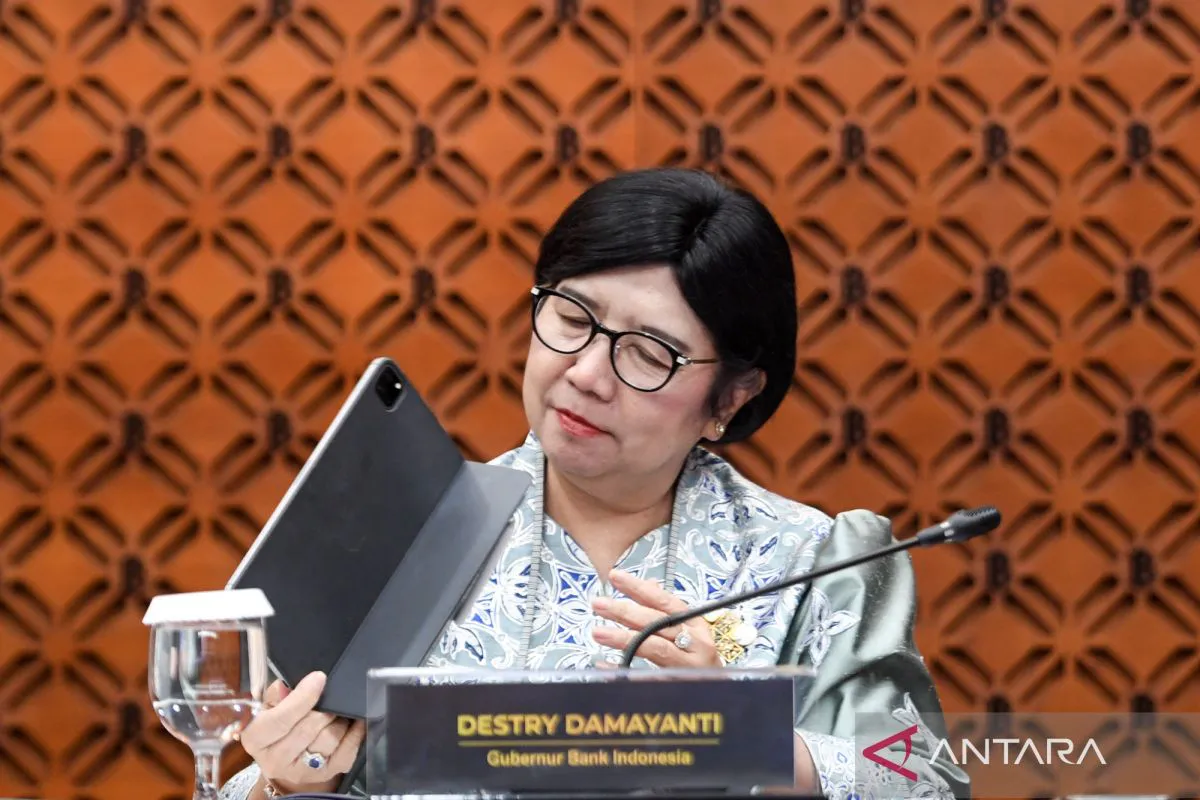
At a press conference after the November meeting of its Board of Governors, Governor Destry Damayanti reaffirmed the bank’s commitment to rupiah stability through the continued use of its monetary instruments. The currency traded at Rp18,245 per US dollar on November 17, 2026, a point-to-point decline of 0.66 per cent from late October, amid global uncertainty and equity outflows.
Foreign investors withdrew US$0.9 billion from equities through November 16. However, fourth-quarter capital movements showed an overall net inflow of US$4.80 billion, helped by government securities and global bond issuance.
The hedging incentives apply to swaps, Domestic Non-Deliverable Forwards and Local Currency Transactions involving partner countries. Bank Indonesia said the measures were intended to sustain investor interest in rupiah assets.
Trade surpluses amounted to US$3.55 billion for August and US$3.36 billion for September. At the end of October, foreign exchange reserves stood at US$146.8 billion, providing 5.3 months of coverage for imports and foreign debt financing.
Damayanti forecast a stable rupiah, citing the bank’s policy commitment, attractive yields, inflation within target and favourable prospects for the domestic economy.