Indonesia calls for digital economy rules shaped by local conditions
Government intervention should primarily address market failures, while regulation should support participation, competition and certainty for businesses.
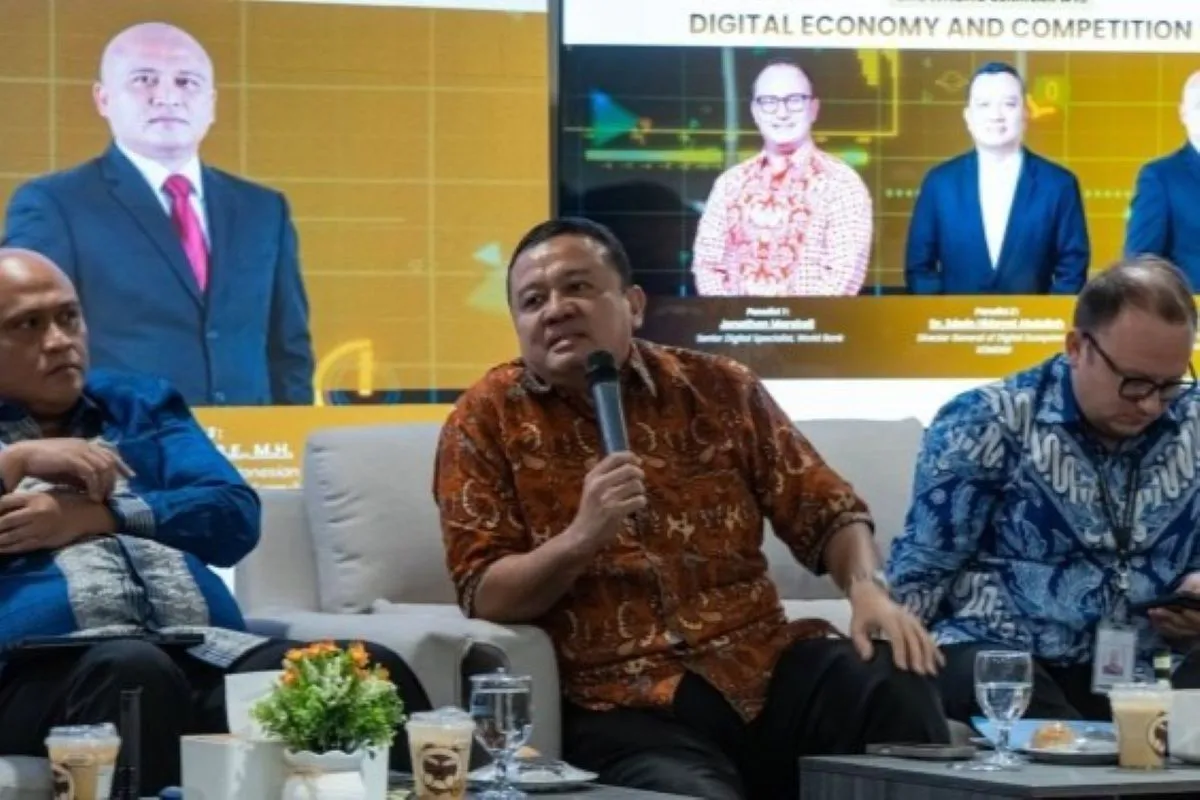
Indonesia should develop digital economy regulations around its own market and society instead of adopting Western frameworks, the Ministry of Communication and Digital Affairs said. It advocated a selective role for government, with intervention primarily triggered by market failures.
Edwin Hidayat Abdullah, the ministry’s Director General of Digital Ecosystems, said differences between Indonesia and markets such as Australia and Europe warranted close examination before regulatory decisions were made.
The ministry identified broader opportunities to participate, fair competition and certainty for businesses as its three guiding principles. Edwin said the minister had directed officials to allow markets to function without intervention when no market failure existed.
Explaining the need for care, Edwin said rules affecting online commerce also touched consumers, merchants, motorcycle taxi drivers, truck drivers and logistics providers. These groups had different economic interests within a connected ecosystem.
He described a shift away from traditional gig work towards an economy dependent on platforms, with incentives from major technology companies strongly shaping supply and demand.
Edwin also warned that too much vertical integration could hinder the spread of technology and concentrate resources. It could also complicate data sovereignty and reduce Indonesia’s ability to keep economic value domestically, he said.