Indonesia urged to tackle policy and infrastructure barriers to chip investment
An OECD report recommends starting with chip assembly, testing and packaging, while improving import licensing, skills and utility supplies.
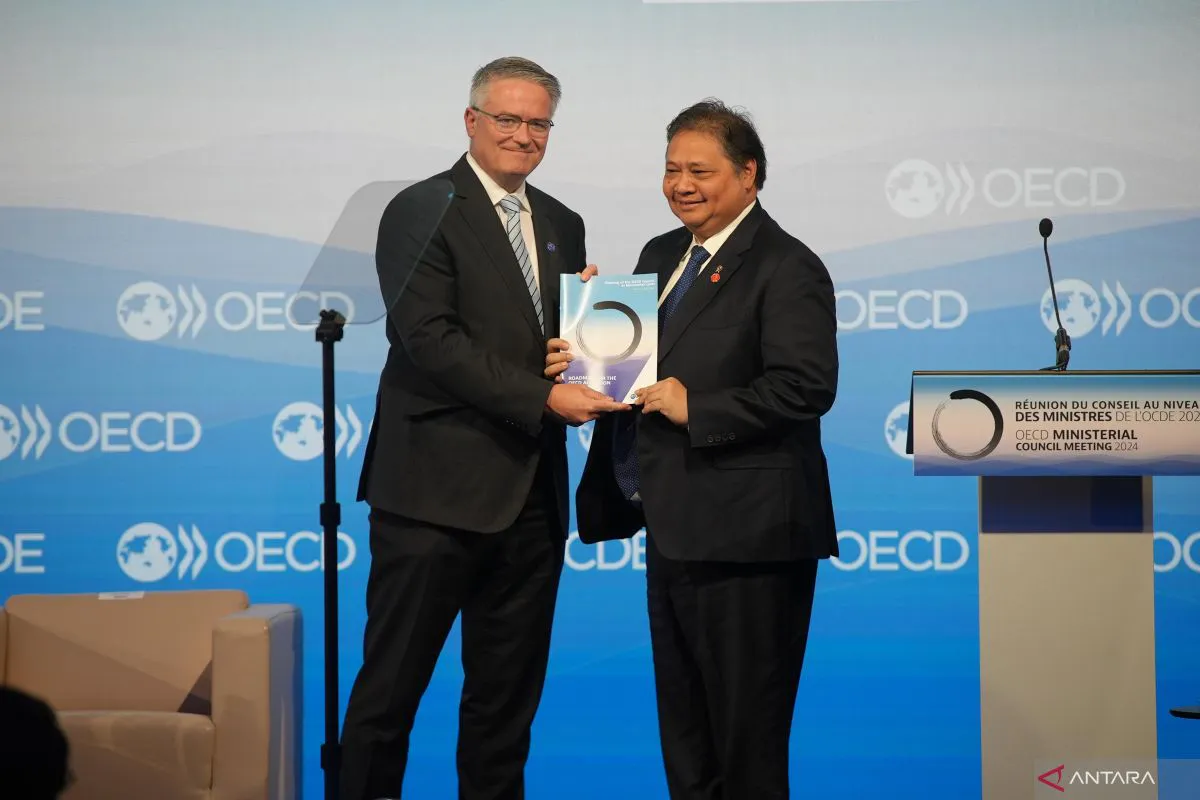
Indonesia needs clearer industrial policies, simpler import procedures and stronger infrastructure to expand its role in semiconductor supply chains, according to an OECD report presented to Coordinating Minister for Economic Affairs Airlangga Hartarto on 25 November 2026.
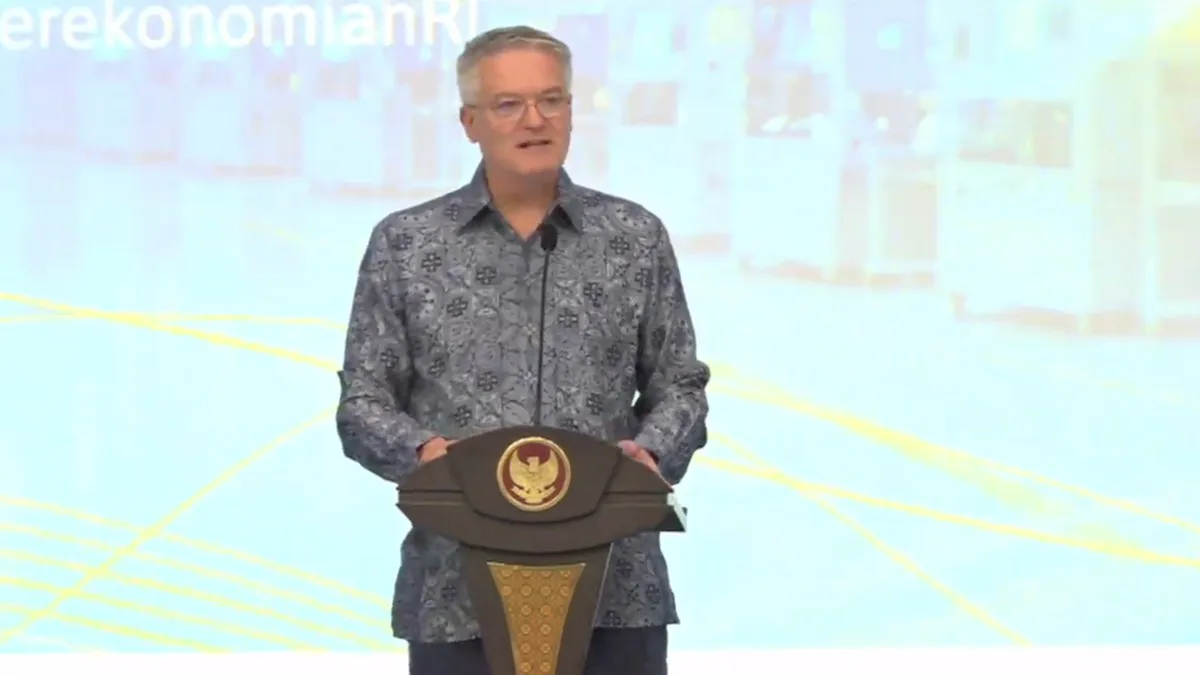
OECD Secretary-General Mathias Cormann said the country’s young workforce, renewable energy potential and proximity to Asian electronics production centres provided a basis for development. The organisation recommended initially concentrating on chip assembly, testing and packaging, where Indonesia already has companies, infrastructure and training.
The OECD called for specific, predictable policy commitments and broader coordination through the Semiconductor Task Force established in 2024. It also recommended simplifying and stabilising the commodity balance system governing imports, considering more market-based approaches and continuing to review local-content requirements. Cormann said disruptions involving the expanded system contributed to delays affecting about 26,000 containers at major Indonesian ports in 2024.
On skills, Cormann identified Batam’s manufacturing workforce as a potential source of semiconductor technicians. A partnership between Politeknik Negeri Batam and Infineon has trained 60 technicians for the company’s local operations, while cooperation with Arm Holdings is expected to support training for 15,000 chip-design engineers.
Batam also faces recurring electricity shortages, despite relatively good power access and reliability for businesses nationally, Cormann said. The OECD urged investment in transmission, including the Batam-Bintan-Sumatra interconnection. Water is another constraint: Batam relies on six rain-fed reservoirs, and Cormann warned that one modern chip fabrication plant could consume up to 16 per cent of the island’s current supply.
The OECD also sought easier access to innovation support. Indonesia offers tax deductions of up to 300 per cent of eligible research and development spending, but estimated tax savings under the incentive reached only about Rp3 billion nationally in 2024. That compared with about Rp6.3 trillion from tax holidays for priority industries. The organisation recommended directing incentives more towards technology and productive investment.