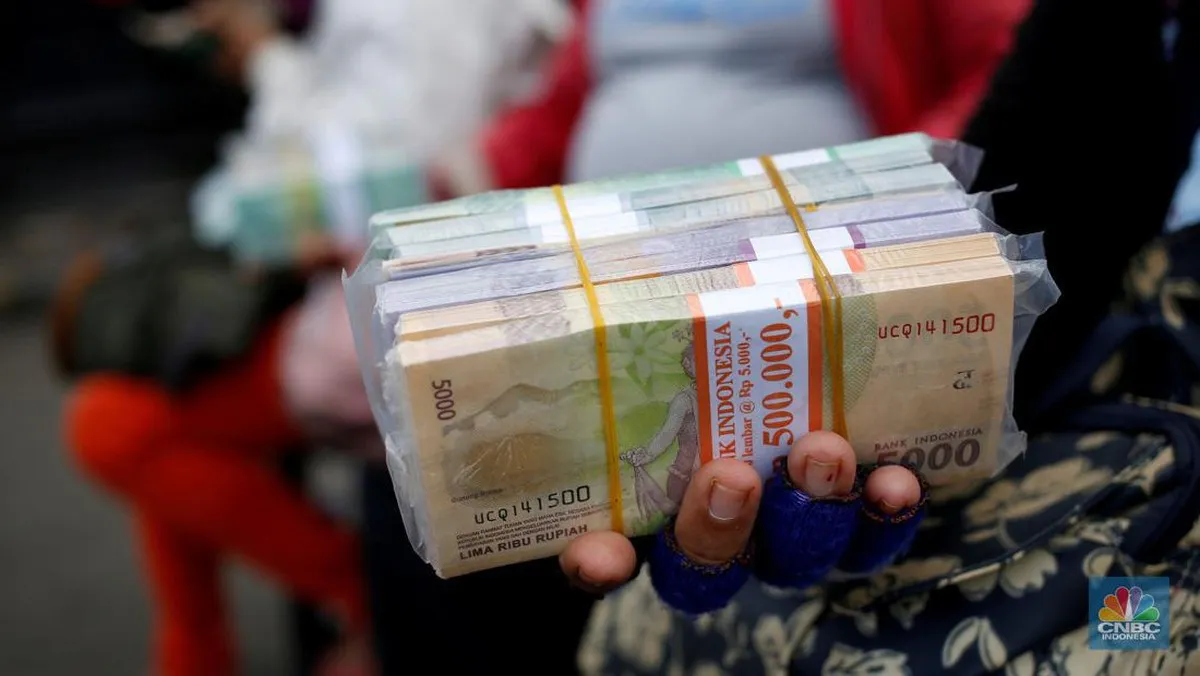
Indonesia seeks better-targeted fuel subsidies after OECD criticism
The OECD recommends gradually replacing broad fuel subsidies with targeted cash assistance, saying wealthier households receive a disproportionate share.
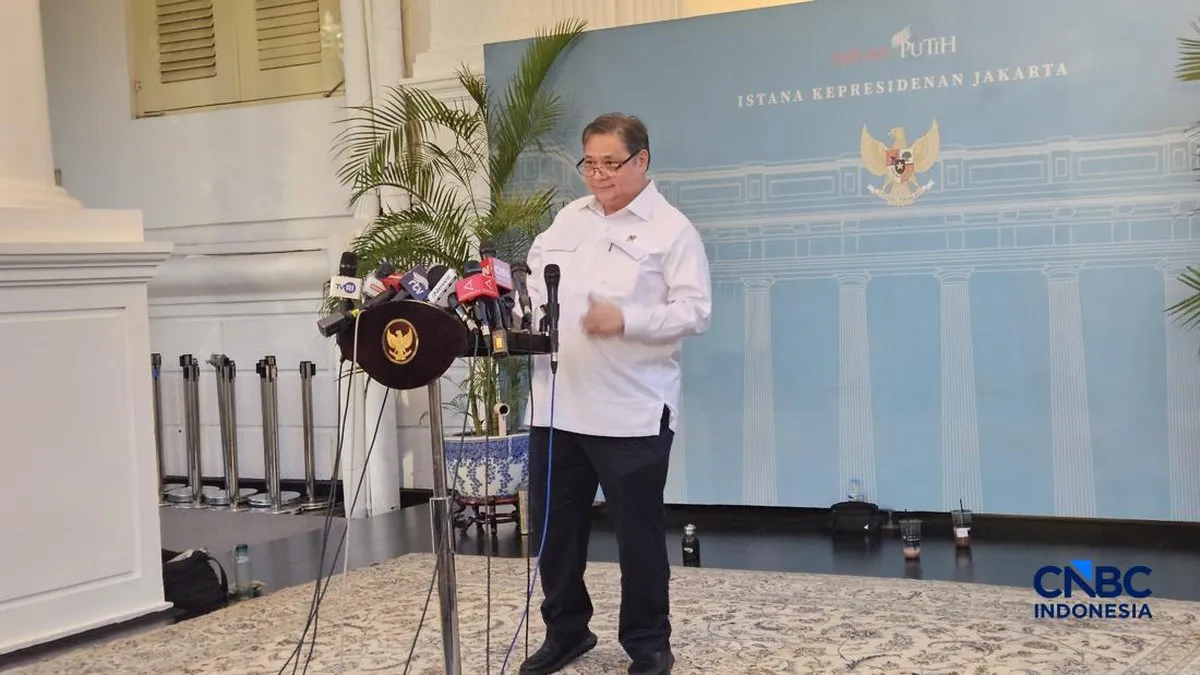
Indonesia will continue examining ways to target energy subsidies more effectively, Coordinating Minister for Economic Affairs Airlangga Hartarto said on 27 November 2026, responding to OECD findings that fuel subsidies disproportionately benefit wealthy households.
Speaking at a press conference in Jakarta, Airlangga said President Prabowo Subianto was already paying attention to the issue. The government would assess policy options, with Prabowo to announce the steps to be taken, he said.
In its Economic Surveys: Indonesia 2026 report, the Organisation for Economic Co-operation and Development recommended phasing out broadly available fuel subsidies and introducing more targeted cash assistance instead. It said fuel subsidies also hindered progress towards climate targets.
The OECD cited figures showing that the wealthiest 20 per cent of households received around 46 per cent of total subsidies in 2019. The poorest 40 per cent received just 18 per cent.
The organisation described fuel subsidies as a major public spending item and fiscal risk, particularly when global energy prices rise. Energy subsidies and compensation were estimated at around 1.4 per cent of GDP in the 2026 state budget, but developments in the Middle East conflict could push that cost towards 2 per cent.
To identify vulnerable households accurately, the OECD called for a comprehensive, regularly updated social database, building on Indonesia’s Data Tunggal Sosial dan Ekonomi Nasional (DTSEN). It said the database could also help target compensation for future tax reforms, including increases in indirect taxes.