Indonesia integrates digital supply-chain data into palm oil certification
The government says improvements to its ISPO system will help meet global sustainability requirements and support downstream industries.
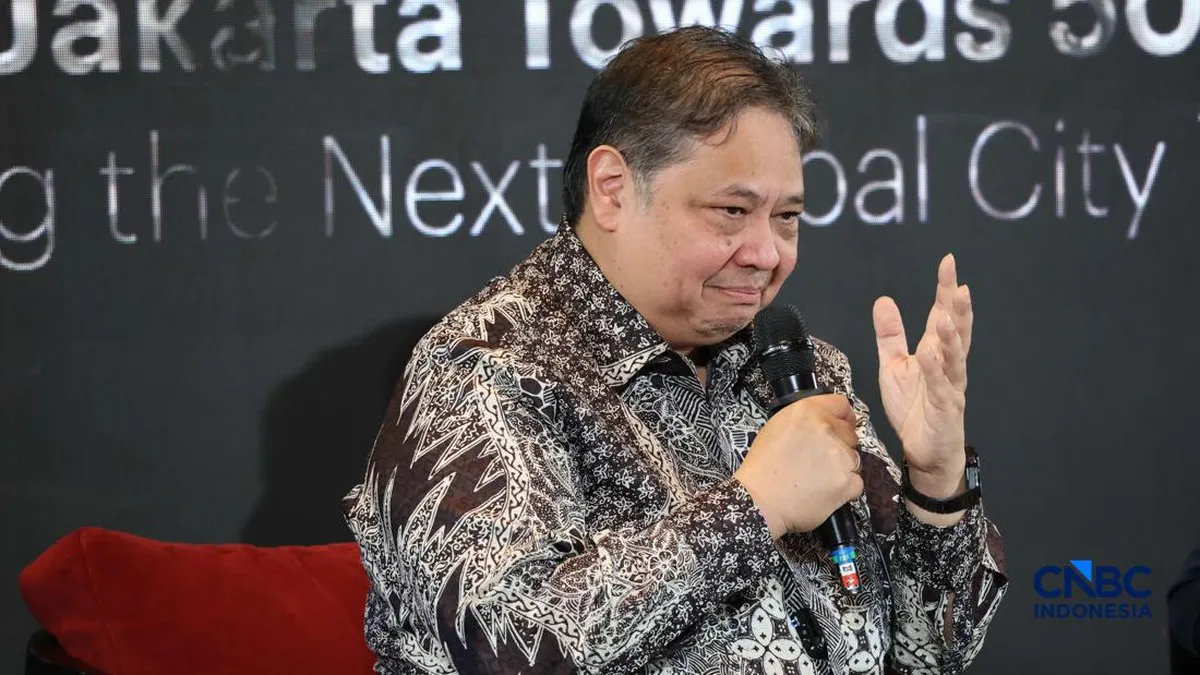
Indonesia is incorporating digital supply-chain data into its Indonesian Sustainable Palm Oil (ISPO) certification system to address global market requirements and support domestic downstream industries, Coordinating Minister for Economic Affairs Airlangga Hartarto said.
Addressing the opening of the 22nd Indonesian Palm Oil Conference (IPOC) and 2027 Price Outlook in Bali by video link, Airlangga said improving certification was important for sustainability standards and national economic resilience.
Palm oil accounted for 5.15 per cent of Indonesia's gross domestic product in the third quarter of 2026. Export earnings totalled US$28.84 billion between January and October, rising 60 per cent year-on-year, while export volumes increased 6 per cent to 23.8 million tons.
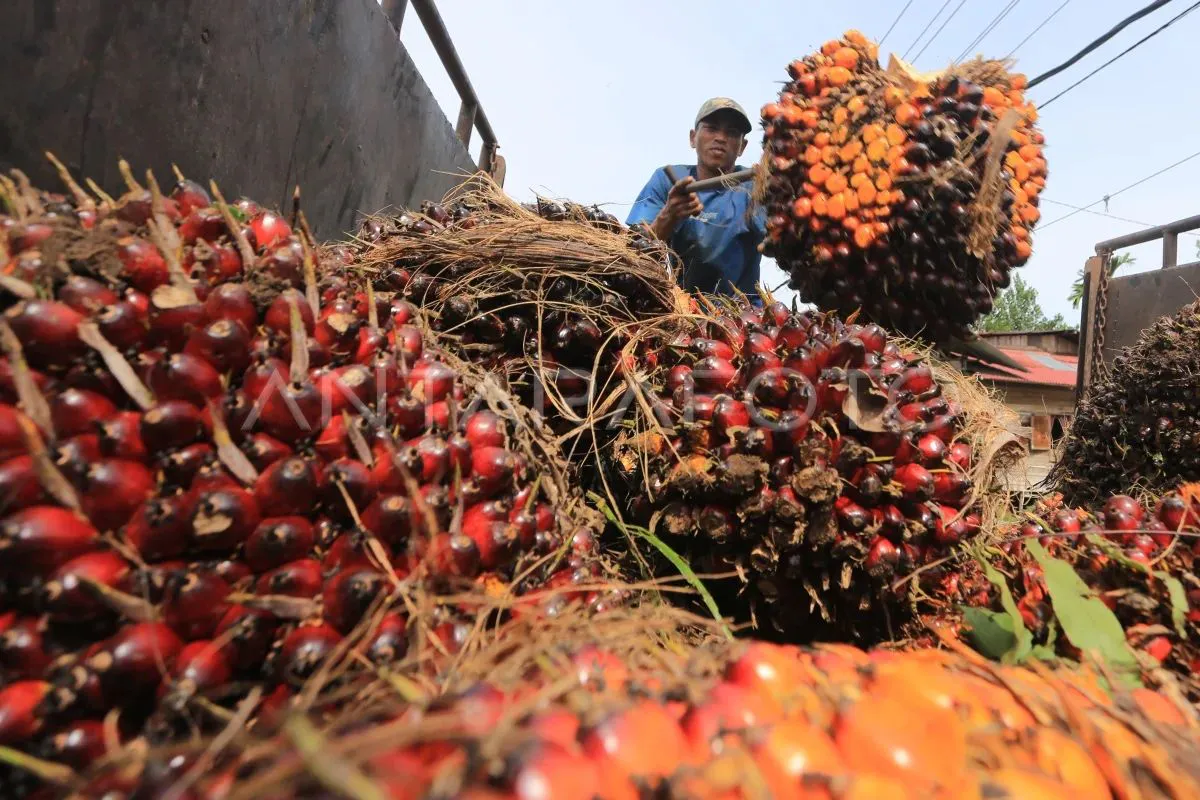
Production nationwide is projected at approximately 60 million tons by the end of 2026. Domestic consumption is estimated at 27.5 million tons, with exports estimated at 35 million tons.
Airlangga said oil palms yield approximately four tons of oil per hectare, compared with less than 0.7 tons per hectare for alternative crops including soybeans, rapeseed and sunflowers.
Government support for independent farmers includes the Smallholder Palm Oil Replanting (PSR) programme, infrastructure work, technical training and educational scholarships. The initiatives aim to raise productivity without extending plantation areas. Airlangga also called for closer domestic and international cooperation to address the industry's challenges.