Ho Chi Minh City unveils long-term growth and infrastructure targets
The 100-year master plan sets economic and transport goals, while the city’s international financial centre expects to arrange US$7.7 billion in investment by 2030.
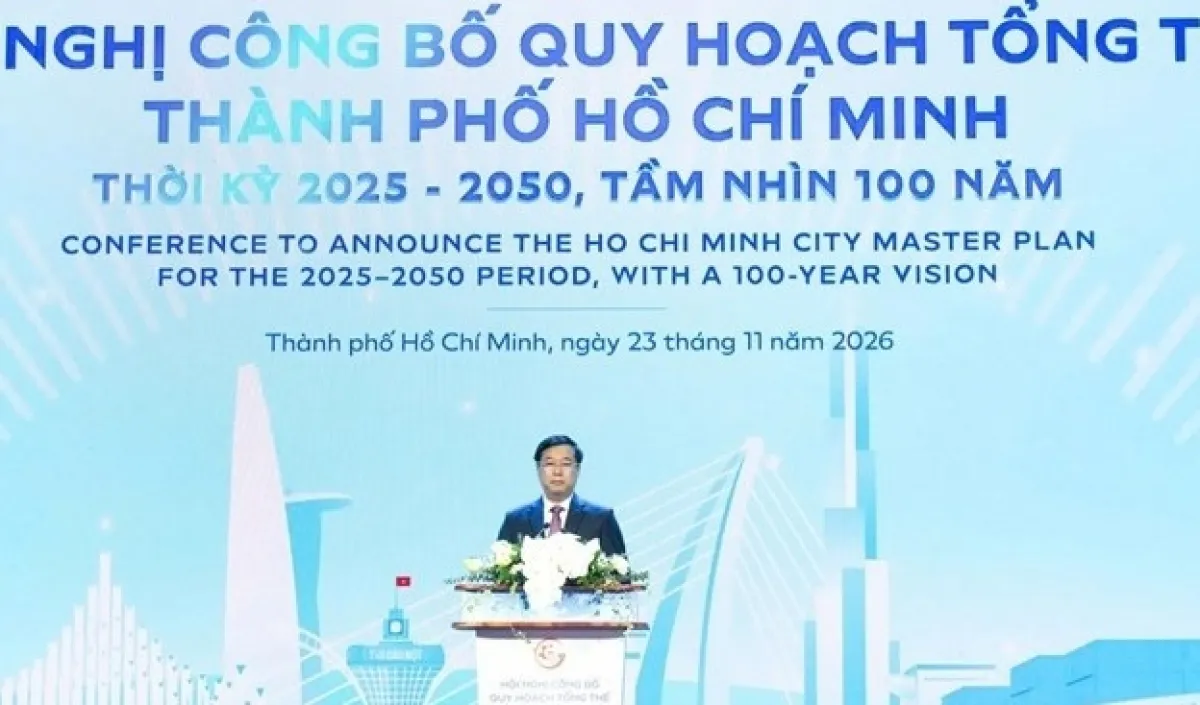
Ho Chi Minh City is targeting annual regional GDP growth averaging at least 10.5 per cent during 2026-2030 under a newly unveiled 100-year master plan. The plan envisages regional GDP of US$200-US$225 billion by 2030 and sets a goal of becoming an international economic and financial centre by 2045.
In a separate announcement at the conference, the Vietnam International Financial Centre in Ho Chi Minh City named seven new members. It expects to mobilise and arrange investment totalling about US$7.7 billion by 2030: US$5 billion associated with the new members and US$2.7 billion projected from its initial 10 members. These are expected investments, not funds already raised.
The People’s Council adopted the master plan on October 30, followed by municipal committee approval the next day. A public exhibition at the City Planning Exhibition Centre will run for a month.
The economic strategy seeks to reduce dependence on land, labour and capital by emphasising productivity, science and technology, innovation and services with higher added value. For 2050, it targets regional GDP of US$2-US$2.5 trillion and per-capita regional GDP of at least US$90,000.
Urban development would centre on five growth poles supported by five satellite centres. Transport plans for 2050 envisage 18 metro lines extending about 960 km, supplemented by around 450 km of tramway and light rail. The target share of passenger journeys using public transport is 35-50 per cent for 2030, rising to 65 per cent for 2045-2050.
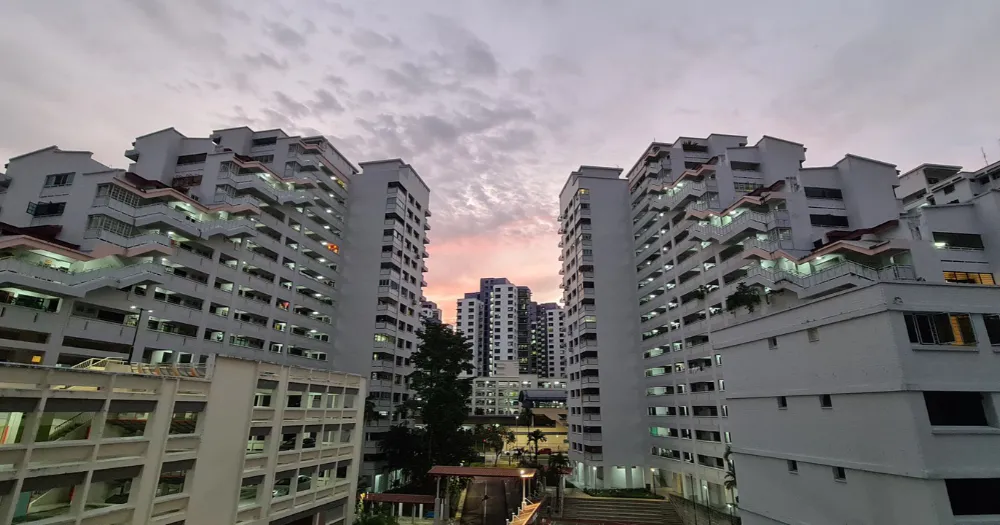
Housing priorities include developing 200,000 social housing units by 2030, renovating older apartment buildings and improving canal-side neighbourhoods. The plan also calls for additional green space, better healthcare and education, and climate adaptation.